
Explore Advanced High-Performance VFD Drives
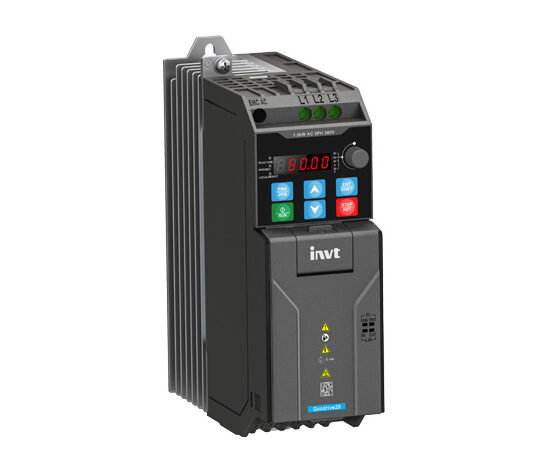
INVT 4 KW/380V Variable Speed Drive
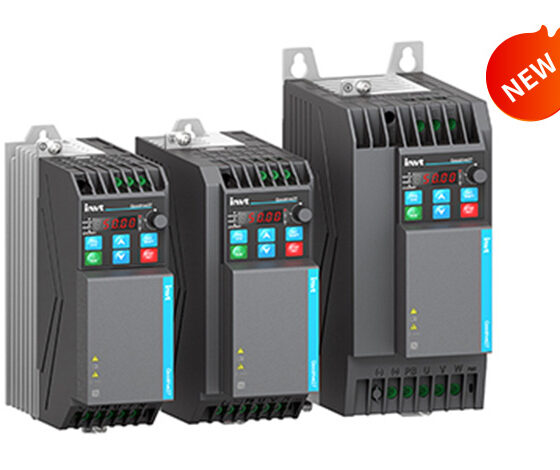
INVT GD27 Series Smart VFD
Variable frequency drives (VFDs) are essential motor control solutions for businesses across New Zealand seeking energy efficiency, precise speed control, and reduced operational costs.
Whether you’re optimising HVAC systems, industrial pumps, or manufacturing equipment, our range of VFD solutions delivers reliable performance and significant energy savings.
At Electrotest, we stock premium variable frequency drives from trusted manufacturers like INVT, ensuring you get the quality and support your business needs. Browse our VFD drive selection below or contact our expert team for personalised recommendations.
What is a VFD?
A variable frequency drive (VFD) is an electronic device that controls the speed and torque of AC electric motors by adjusting the frequency and voltage supplied to the motor. Instead of running at a constant speed, a VFD allows the motor to operate only as fast as the application requires, improving efficiency and performance.
A VFD works through three key stages. First is rectification, where incoming AC power is converted into DC power. Next is filtering, where the DC link is smoothed to ensure stable power delivery, often monitored using power meters. Finally, inversion converts the DC back into adjustable AC power using pulse width modulation (PWM), allowing precise motor control.
Because of this process, VFDs significantly reduce energy consumption, often by 30–50% in variable-load applications such as pumps, fans, and HVAC systems. They also reduce mechanical stress during startup, improve process control, and extend equipment lifespan. A modern VFD drive is widely used across industrial and commercial environments where efficiency and reliability are critical.
Key Benefits of Variable Frequency Drives
Investing in variable frequency drives delivers major operational advantages for industrial and commercial users:
- Energy efficiency – reduce energy consumption by up to 50% in variable-load systems
- Precise motor control – match speed and torque to real-time demand
- Reduced wear and tear – soft starting reduces mechanical stress on equipment
- Lower maintenance costs – smoother operation extends component life
- Improved process control – better consistency in manufacturing and automation
- Quieter operation – reduced noise compared to fixed-speed systems
At Electrotest, our VFD range is designed to deliver these benefits across a wide variety of applications, helping businesses improve efficiency and reduce long-term operating costs.
VFD Applications Across Industries
Variable frequency drives are used throughout New Zealand industries to improve efficiency and control across motor-driven systems.
In HVAC systems, VFDs regulate fan and pump speeds to match building demand, reducing energy use significantly. In water and wastewater treatment, they control pump performance for stable and efficient fluid management.
Manufacturing and automation rely on VFD systems for conveyor belts, compressors, and production machinery, ensuring smooth and consistent operation. Food and beverage processing uses VFD technology to maintain precise control in mixing, bottling, and packaging applications.
Mining, agriculture, and marine industries also benefit from VFD technology due to its durability, transformer testing compatibility, and ability to handle demanding environments.
Electrotest supplies reliable variable frequency drive solutions suitable for all these industries across New Zealand.
VFD Types & Selection Guide
Understanding different VFD types helps ensure the right solution for your application.
Voltage Source Inverters (VSI) are the most common type of variable frequency drive, offering reliable performance for general industrial use. Current Source Inverters (CSI) are used in high-power applications requiring regenerative capabilities.
Single-phase VFDs are suitable for smaller systems and are often paired with single phase UPS systems for reliable backup power, while three-phase VFDs are standard for industrial-scale operations requiring higher efficiency and load handling.
When selecting a VFD, consider motor size, voltage requirements, and application type. Our team at Electrotest can help you choose the right VFD drive based on your specific operational needs and ensure optimal performance.
Frequently Asked Questions
What is a variable frequency drive?
A variable frequency drive is an electronic device that controls AC motor speed by adjusting power frequency and voltage. It enables motors to run only at the required speed, improving efficiency and performance.
How much energy can a VFD save?
VFD systems can reduce energy usage by 30–50%, especially in applications like HVAC, pumps, and fans where motor speed varies with demand. Even small speed reductions can result in significant savings.
What are the main benefits of a VFD?
Key benefits include energy savings, improved motor control, reduced mechanical wear, lower maintenance costs, better process control, and quieter operation across industrial systems.
What industries use variable frequency drives?
Variable frequency drives are widely used in HVAC, manufacturing, water treatment, mining, agriculture, food processing, and marine industries across New Zealand.
How do I choose the right VFD?
Choosing the right VFD depends on motor size, voltage, application type, and control requirements. Contact our expert team for tailored recommendations and support.