

Home > Advanced Electrical
Advanced Electrical
Shop Advanced Electrical Equipment for Professional Use
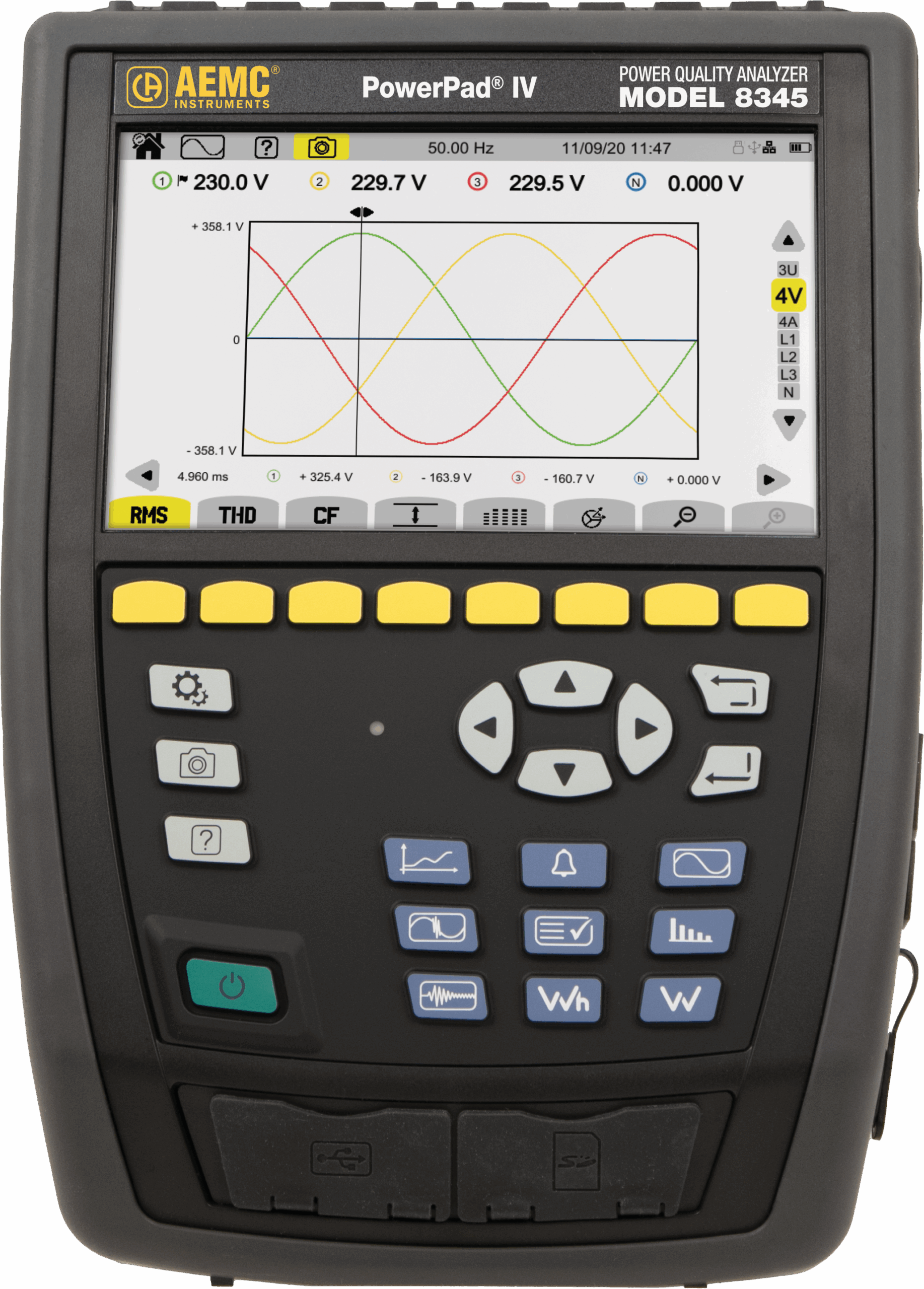
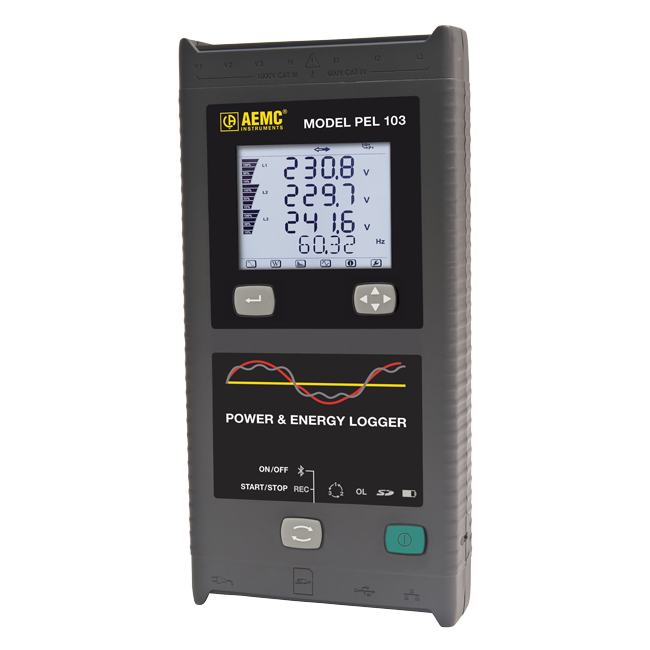
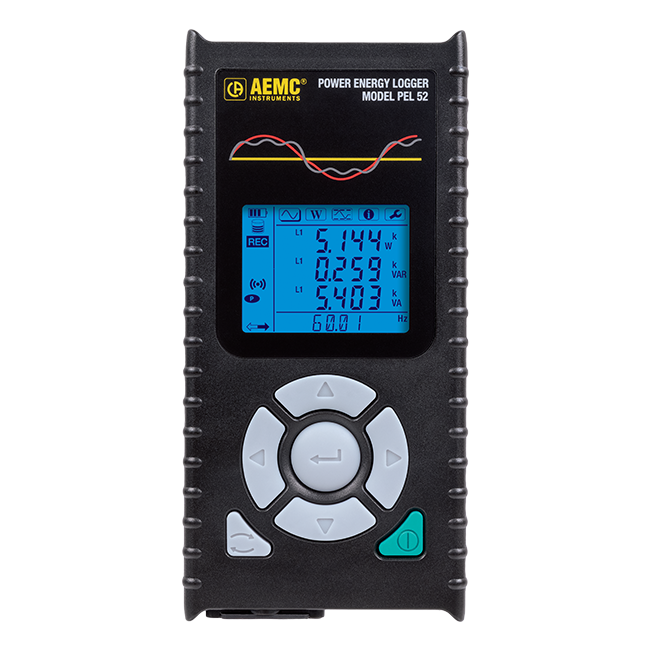
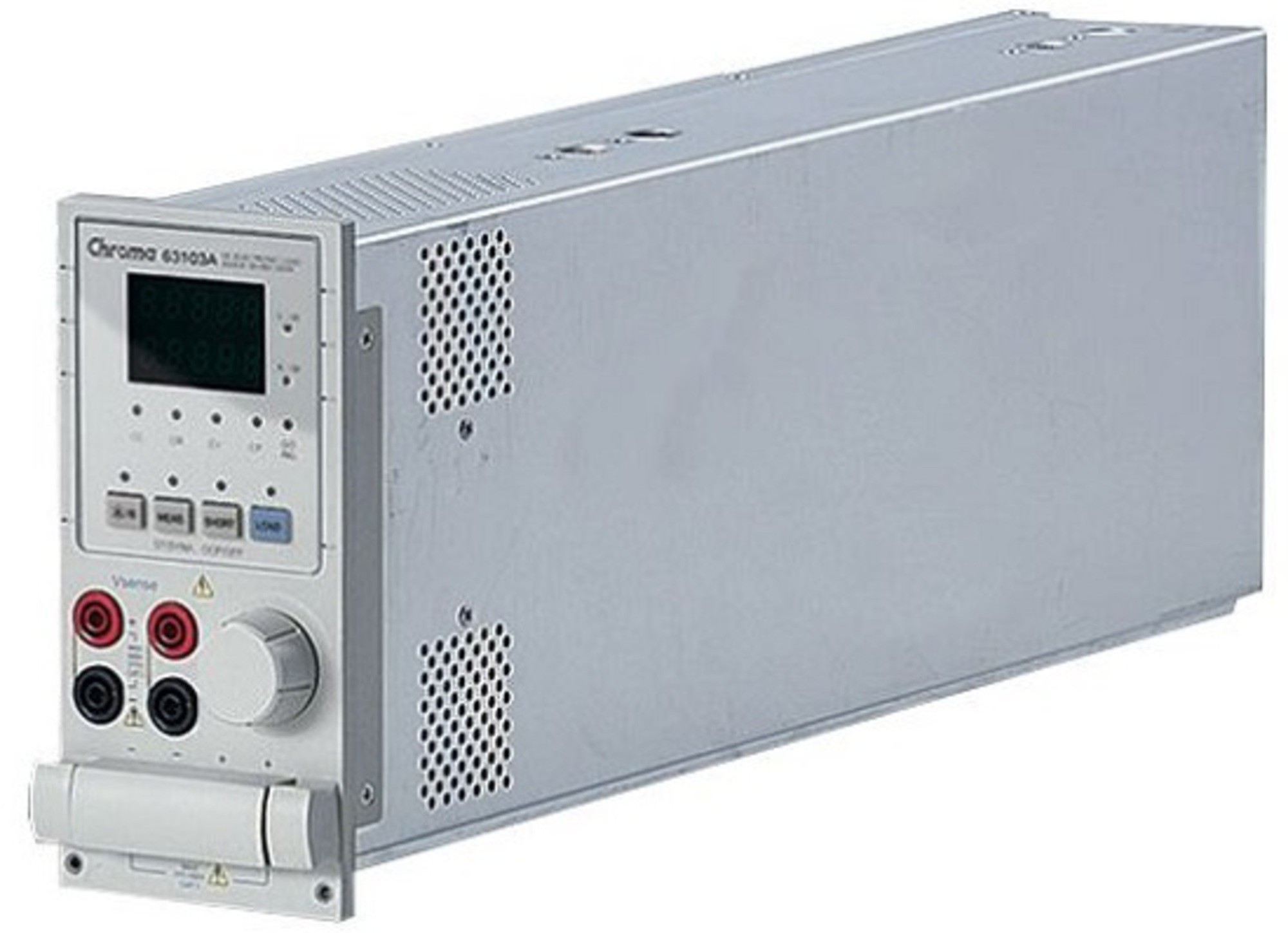
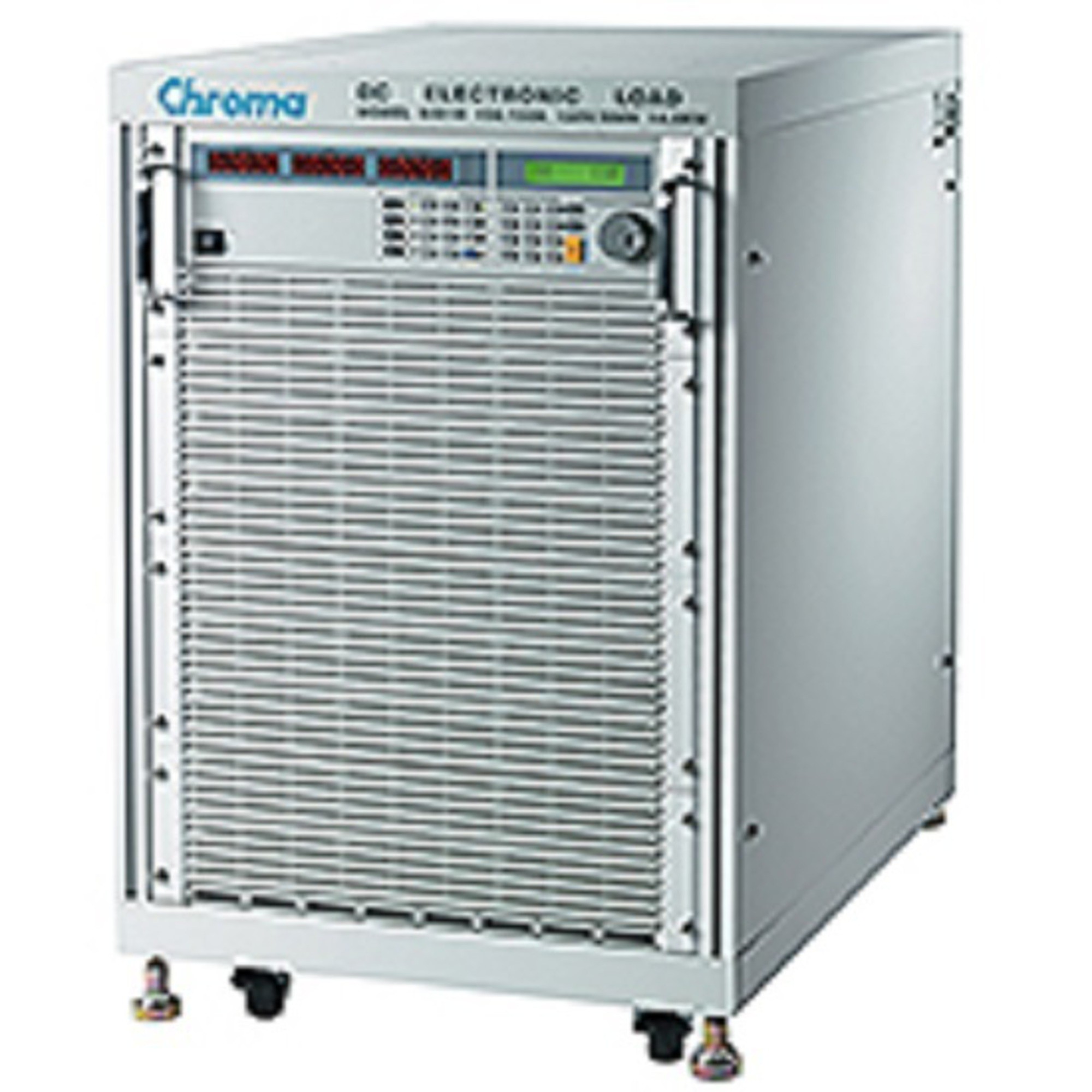

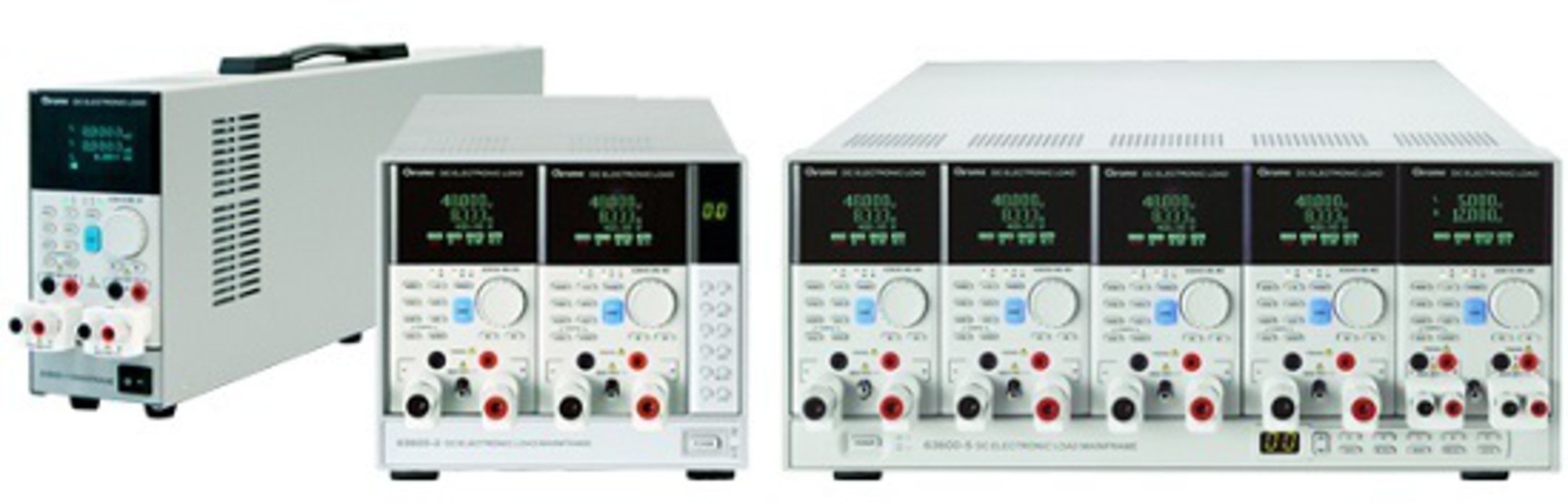


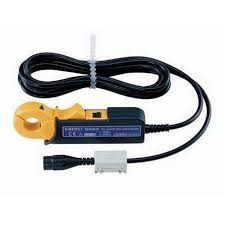
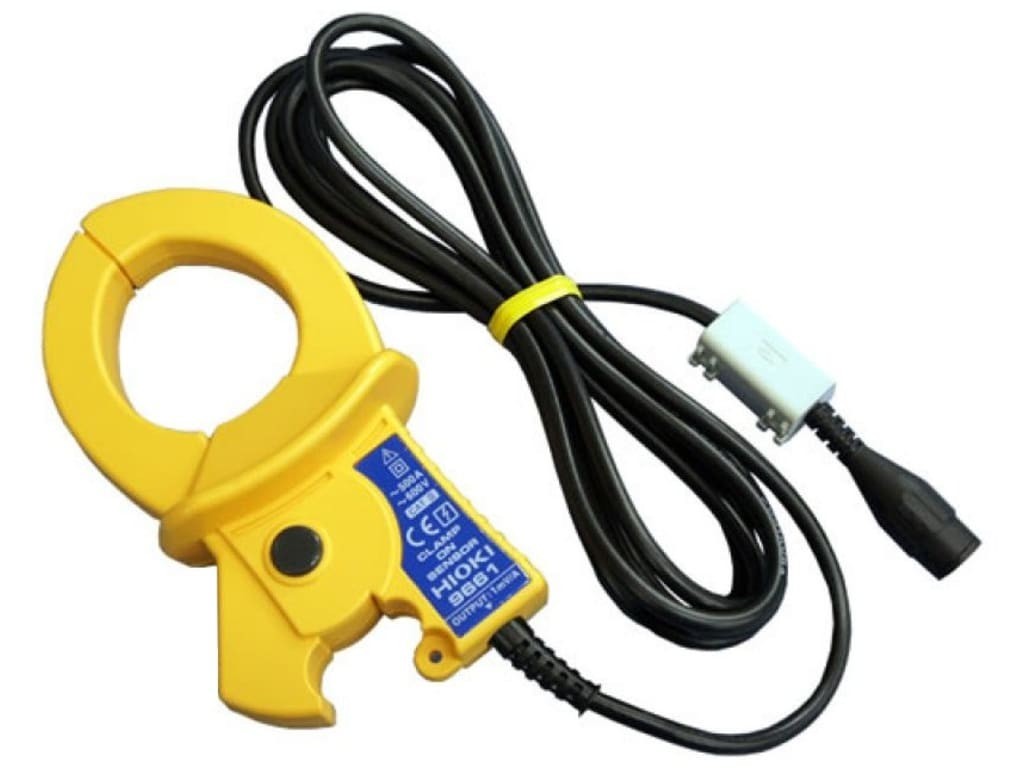
Electrotest supplies advanced electrical testing equipment in NZ for engineers, technicians, laboratories, utilities, manufacturers and service teams that need accurate diagnostic, commissioning and validation tools. This category brings together specialist instruments for power quality analysis, power and energy logging, AC/DC electronic load testing, calibration workflows and advanced measurement applications.
Whether you are validating a new electrical system, investigating power issues, testing equipment under controlled load, or selecting instruments for R&D and production environments, Electrotest can help you compare the right solutions across electrical testing equipment used in everyday field work through to highly specialised systems used in industrial environments.
Advanced Electrical Testing Equipment for Diagnostics, Commissioning and Validation
Advanced electrical testing equipment is used when standard handheld testers are not enough for the measurement task. Tools such as PQA and power loggers allow engineers to capture long-term voltage, current and energy behaviour, while AC/DC electronic loads are used to simulate real operating conditions in power supplies, chargers and battery systems.
In more demanding environments such as manufacturing, utilities or research facilities, engineers may rely on electronic test equipment and manufacturing test equipment to ensure systems perform correctly under controlled and repeatable conditions. Where accuracy and traceability are essential, calibration equipment plays a key role in maintaining confidence in results over time.
How to Choose the Right Advanced Electrical Test Equipment
Choosing the right advanced electrical test equipment starts with understanding the application. Power quality issues, for example, require different tools than product validation or commissioning tasks. Portability, measurement range, logging capability and reporting requirements should all be considered before selecting a solution.
Many engineering teams also work across broader systems that involve power networks, testing equipment, particularly when monitoring distributed electrical infrastructure or investigating supply irregularities. In these cases, selecting compatible instruments that work alongside existing systems is essential.
For organisations building internal capability, access to training can help teams interpret results correctly and apply consistent testing methods across different sites and equipment types. Where equipment is used heavily or intermittently, ongoing services and repairs help maintain performance and extend instrument life without disruption to operations.
Related Test and Measurement Categories
Advanced electrical testing equipment often forms part of a wider measurement and diagnostics workflow. In many cases, engineers and technicians will move between different tools depending on the job, from installation testing through to detailed system analysis.
For general site work and compliance checks, standard electrical testing equipment is often used alongside more advanced instruments to give a complete picture of system performance. In production and lab environments, teams may also rely on electronic test equipment for precision measurement and component-level validation.
Where testing is part of a manufacturing or quality assurance process, manufacturing test equipment helps ensure consistency across repeated production cycles. In utility-scale or infrastructure environments, power networks testing equipment supports monitoring and analysis of larger electrical systems where load, stability and reliability are critical.
Across all of these applications, having access to the right mix of tools ensures more accurate results, better fault detection and more efficient decision-making in the field.
Frequently Asked Questions
Advanced electrical testing equipment refers to specialist instruments used for detailed diagnostics, commissioning, validation and performance measurement. These tools go beyond basic electrical testers and are used to analyse power behaviour, system performance and equipment reliability in engineering, industrial and laboratory environments.
This category includes a range of specialist instruments such as power quality analysers, power loggers, AC/DC electronic loads, calibration tools and related measurement accessories. These products are designed for engineers, technicians and organisations that require accurate testing, validation and diagnostics across different electrical systems.
A power quality analyser or power logger is used when you need to record and analyse electrical performance over time. This includes identifying voltage fluctuations, harmonics, load patterns, energy consumption trends or intermittent faults that may not appear during short, basic tests.
An AC/DC electronic load is used to simulate real operating conditions by applying a controlled load to electrical equipment such as power supplies, batteries, chargers and UPS systems. This allows engineers to test performance, stability and efficiency under different load scenarios.
Choosing the right advanced electrical test equipment depends on the application, measurement requirements and operating environment. You should consider factors such as voltage and current range, load type, data logging capability, accuracy, reporting needs and whether portability or calibration support is required.
Yes, many advanced instruments require periodic calibration to maintain measurement accuracy and ensure reliable results. Calibration is especially important in regulated environments, commissioning projects and quality control processes where precision and traceability matter.
Depending on your application, you may also need supporting tools such as electrical testing equipment, electronic test equipment, manufacturing test equipment and power networks testing equipment. These help provide a complete testing setup across installation, diagnostics, production and system-level analysis.