

Home > Electronic > Oscilloscopes
Oscilloscopes
High-Performance Oscilloscopes for Accurate Signal Analysis
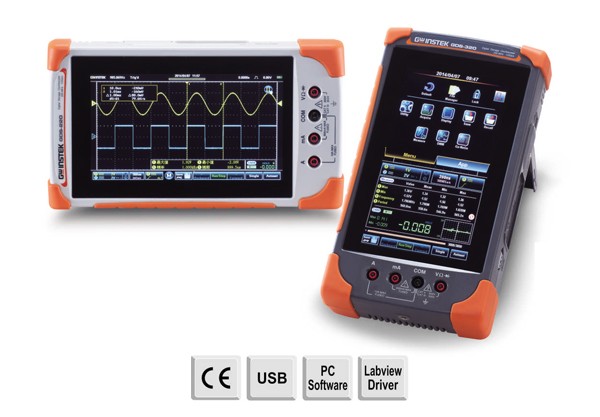
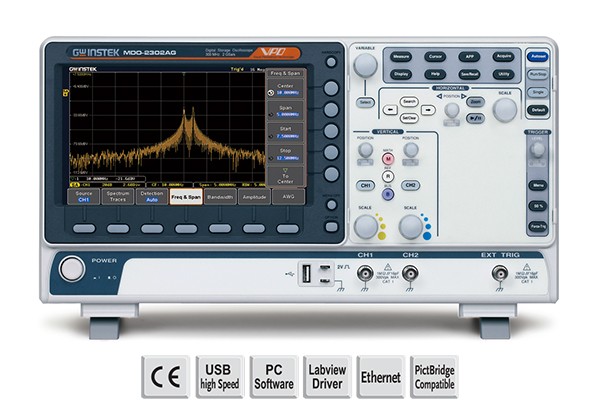
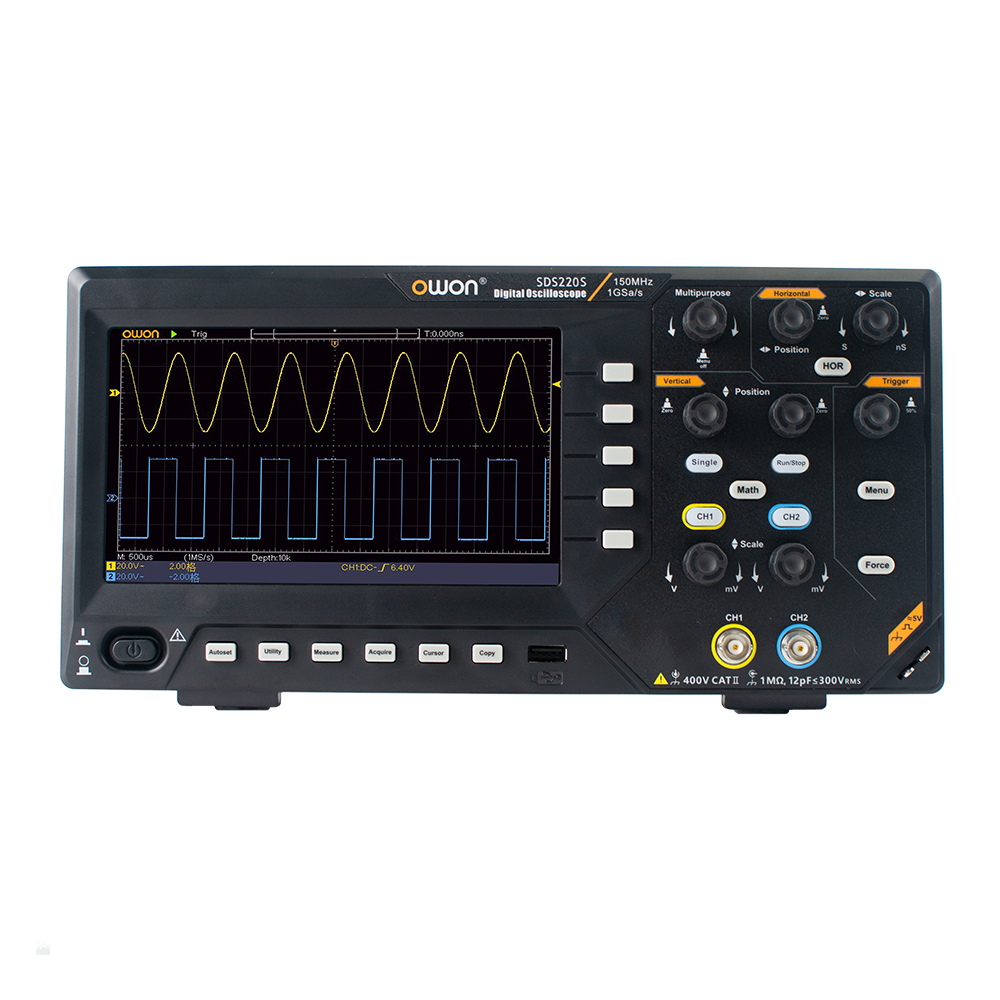
Digital Oscilloscopes in New Zealand
At Electrotest, we stock a broad range of digital storage oscilloscopes (DSOs) and mixed-domain oscilloscopes for engineers, educators and technicians across New Zealand; whether you’re troubleshooting a prototype on the bench or running a first-year electronics class, our range covers the full spread of electronic test equipment, from entry-level benchtop units through to more advanced multi-channel instruments.
We work with established, trusted brands including GW Instek and OWON, both known for combining reliable performance with straightforward, intuitive controls; that means you’re getting instruments that hold their calibration over years of daily use, rather than a scope that only looks good on the spec sheet. Stock is held locally, so orders don’t sit waiting on an overseas shipment, and every unit is backed by a manufacturer warranty and local calibration support.
Choosing the Right Oscilloscope for Your Lab
Picking the right oscilloscope isn’t just a matter of choosing the model with the biggest number on the box; a handful of specifications will decide whether the unit actually suits your day-to-day work, so it’s worth understanding what each one means before committing to a purchase.
- Bandwidth and sample rate: these two figures together determine how accurately your oscilloscope can capture fast-changing signals. A scope with too little bandwidth will round off the sharp edges of a waveform, while an insufficient sample rate can miss transient events entirely, so it’s worth sizing both to the signals you’ll actually be measuring, with a bit of headroom to spare.
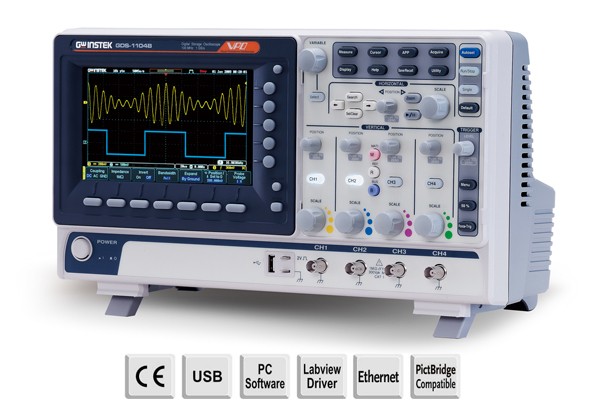
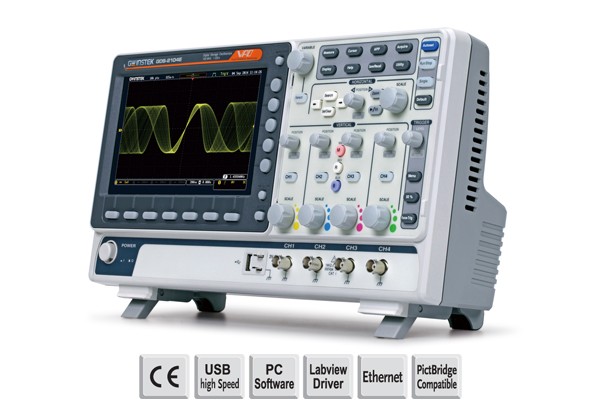
- Form factor: benchtop models, such as our GDS series, suit fixed lab environments where screen size, connectivity and channel count matter more than portability. Portable and handheld units, on the other hand, are built for technicians moving between sites who need something rugged enough to survive daily use out of a toolbox.
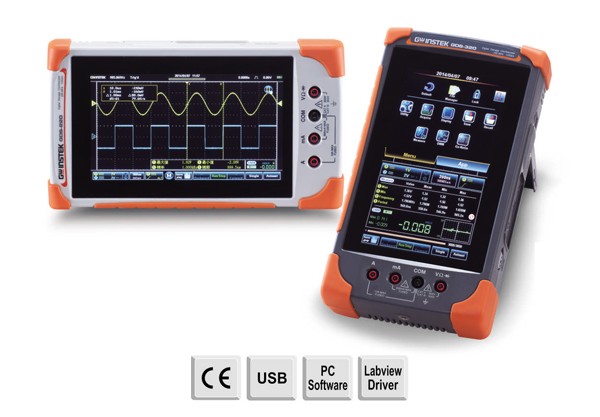
- Combo units: for field technicians and anyone working in automotive diagnostics, an oscilloscope multimeter is well worth considering. Combining two instruments into a single handheld device lets you switch between waveform capture and standard multimeter readings without carrying a separate kit, which makes a genuine difference when you’re working out of a van rather than a lab.
It’s also worth thinking about channel count and probe compatibility before you buy; two channels are enough for straightforward signal comparisons, but four give you far more flexibility once you’re debugging anything with multiple interacting signals, such as a microcontroller talking to several peripherals at once. Whatever combination of features you land on, our team can talk you through the trade-offs based on the type of work you do, so you’re not paying for capability you’ll never use.
Common Applications for Our Oscilloscopes
Our oscilloscopes turn up in a wide range of settings across New Zealand, from university labs to production floors. Here’s where our customers put them to work most often:
- R&D and electronic design: engineers working in R&D facilities rely on our oscilloscopes for prototyping and validating new circuit designs.
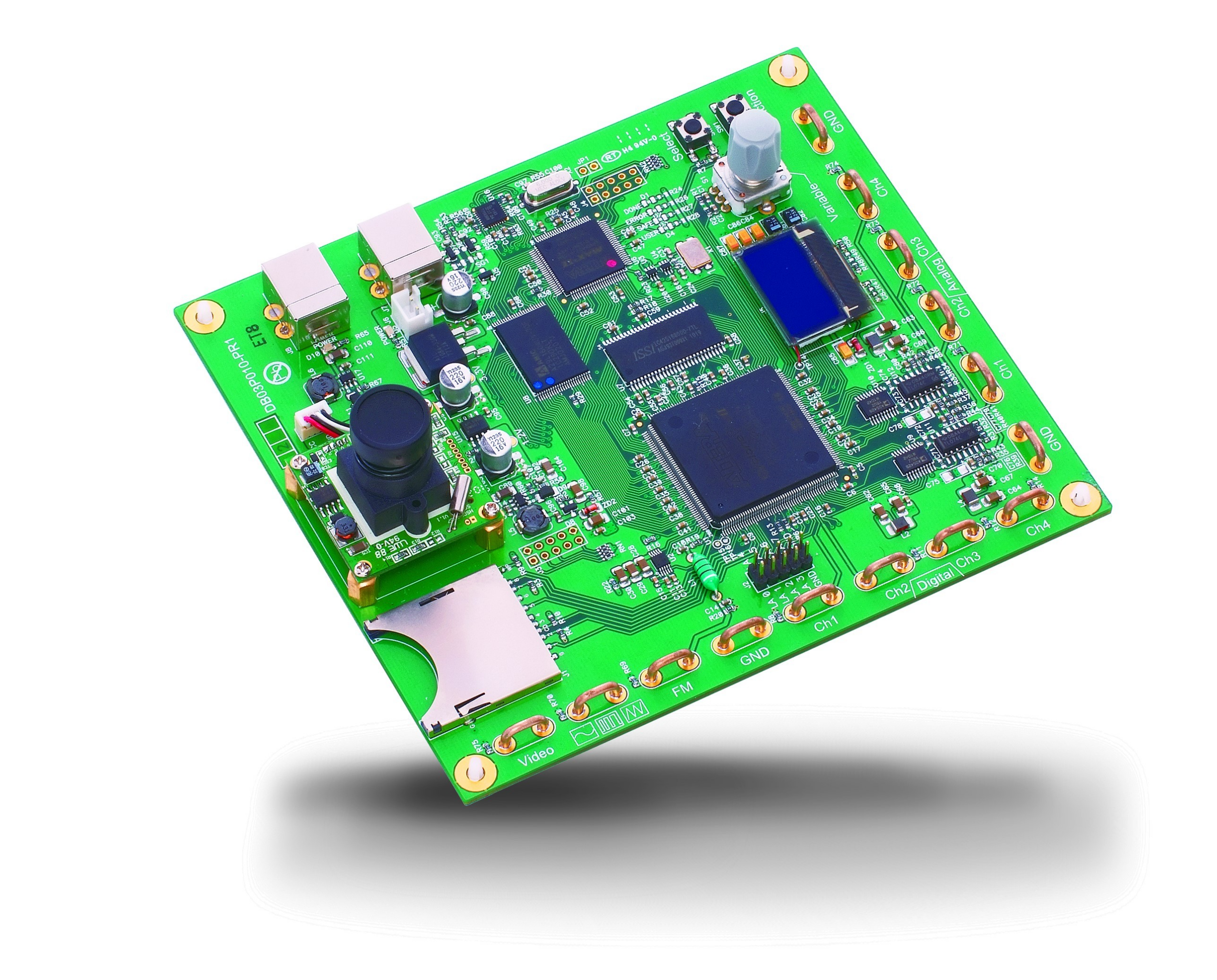
- Education and training: our GDB-03 training kit gives students hands-on experience with real test equipment, rather than simulations alone.
- Production line testing: manufacturers use our oscilloscopes for production line testing, checking that every unit coming off the line meets spec before it ships.
- Field service: technicians favour our oscilloscope multimeter combo units, since they cover diagnostic and measurement tasks without the extra bulk of separate instruments.
Electrotest also offers training and support to help you get the most out of your new equipment, which is one of the real advantages of buying from a local New Zealand supplier rather than an overseas reseller. If you’re not sure which oscilloscope suits your application, get in touch with our team, and we’ll help you find the right fit.
Frequently Asked Questions
A digital multimeter provides precise numerical readings of voltage, current, and resistance at a specific moment. An oscilloscope provides a visual graph of how voltage changes over time in a waveform, allowing you to see complex signals, noise, and transients that a multimeter cannot detect.
If you work primarily at a test bench in a lab or R&D facility, a dedicated benchtop digital oscilloscope, like our GDS series, offers higher bandwidth and larger displays. If you are a field technician, automotive electrician, or need portability, an oscilloscope multimeter provides the best of both worlds in a compact, rugged device.
As a general rule, your oscilloscope’s bandwidth should be at least five times higher than the maximum frequency of the signal you intend to measure. For basic educational use, 50MHz is often sufficient, while advanced R&D may require 200MHz or more.
Yes, Electrotest is a New Zealand-owned company. We provide local expert advice, training, and support for all our electronic test equipment, ensuring you get the right tool for your specific requirements.
A mixed-domain oscilloscope combines the functions of a digital storage oscilloscope with a spectrum analyser. This allows engineers to view synchronised time-domain waveforms and frequency-domain spectra simultaneously, which is ideal for troubleshooting modern wireless and embedded systems.