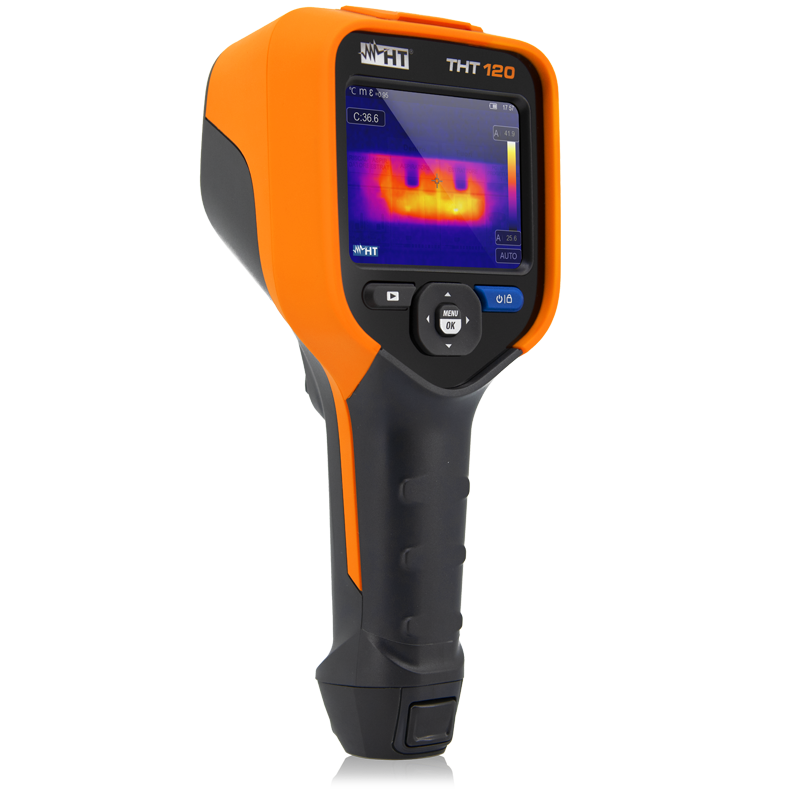
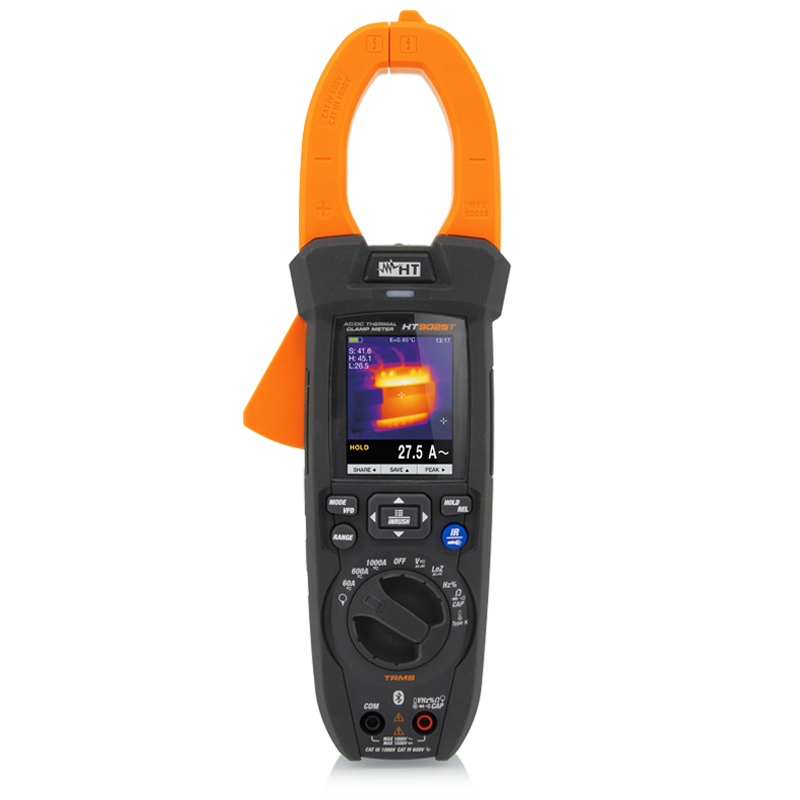
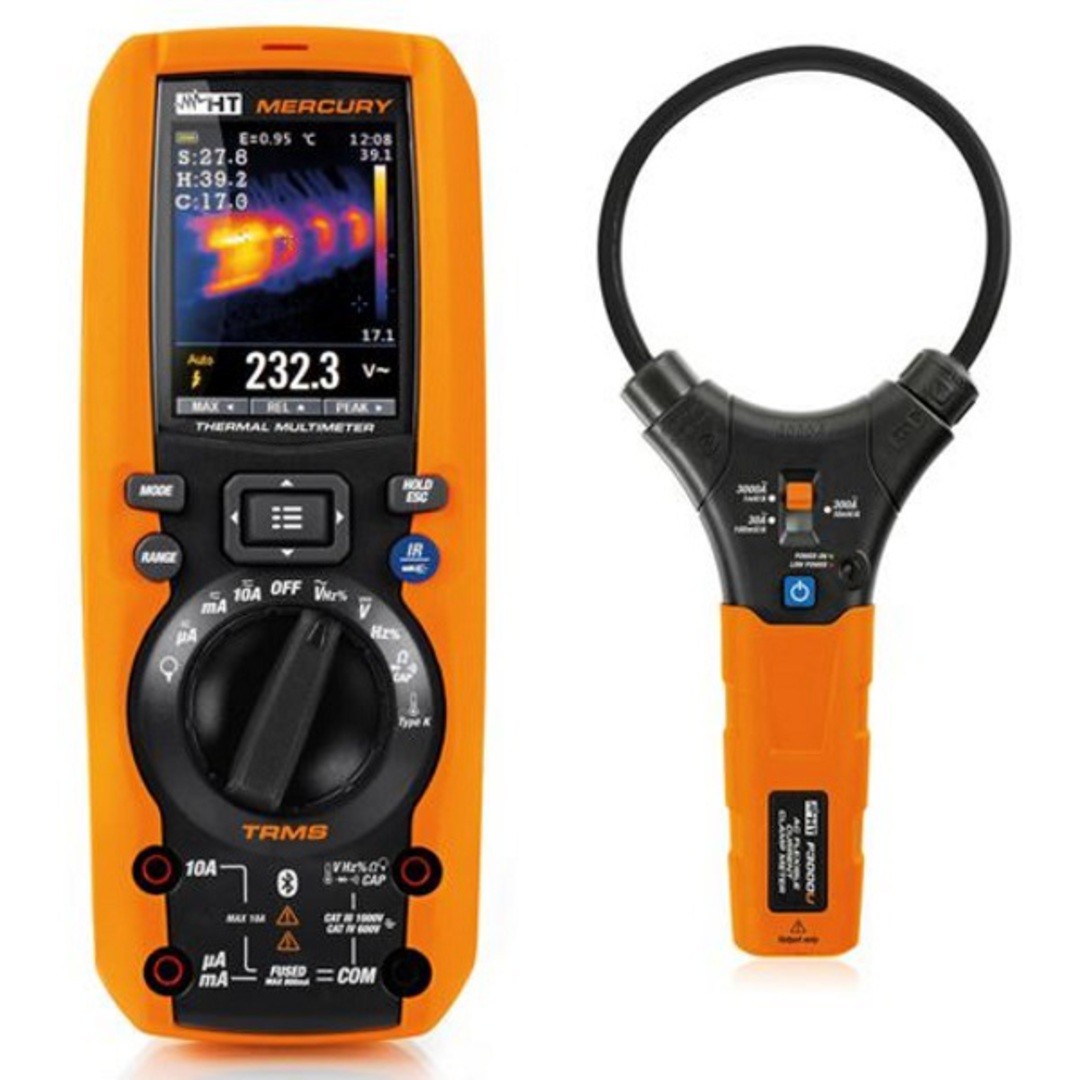
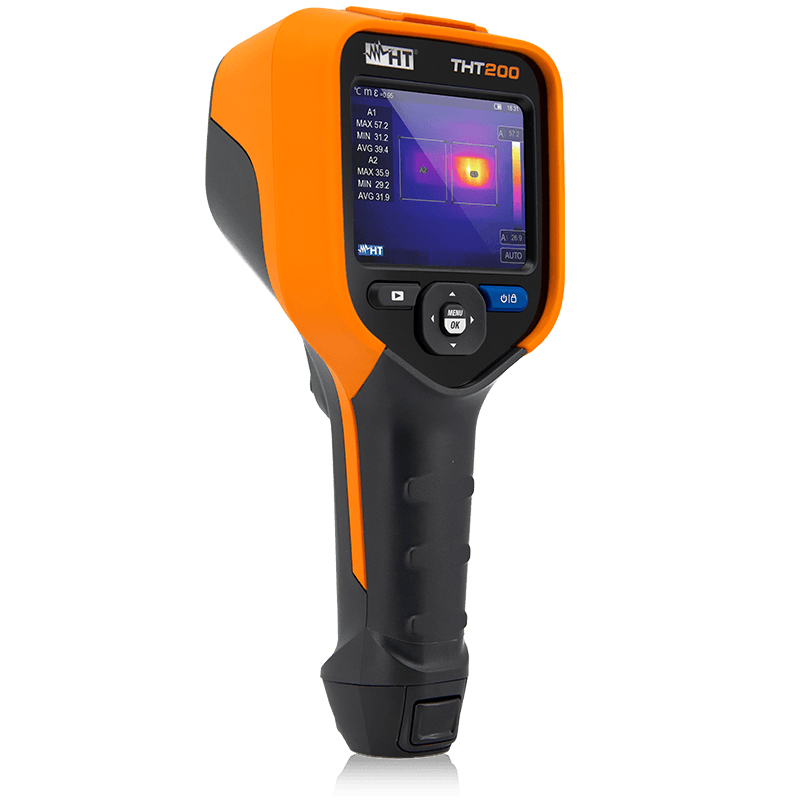
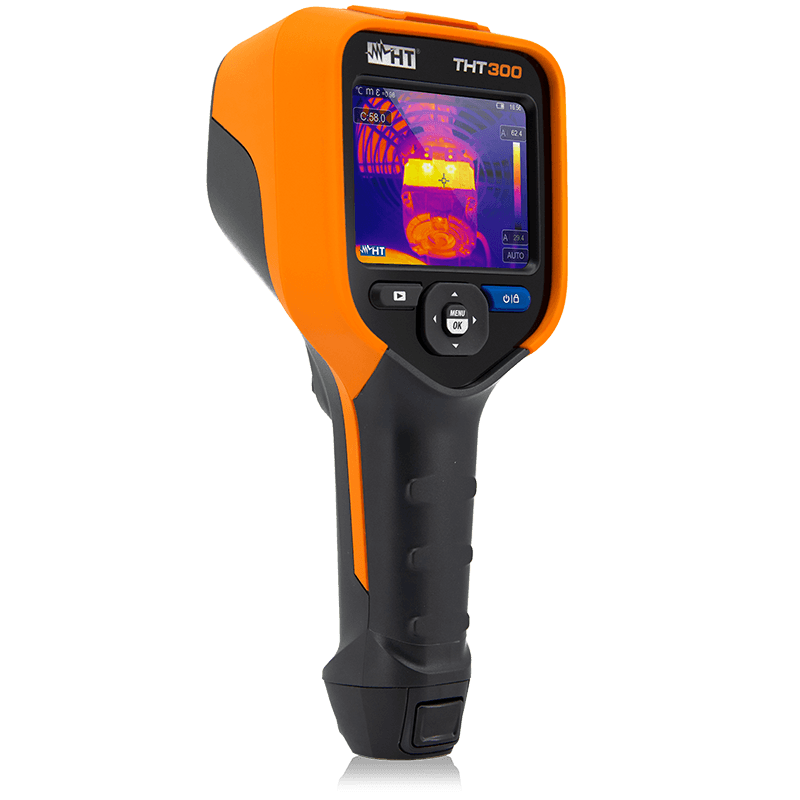
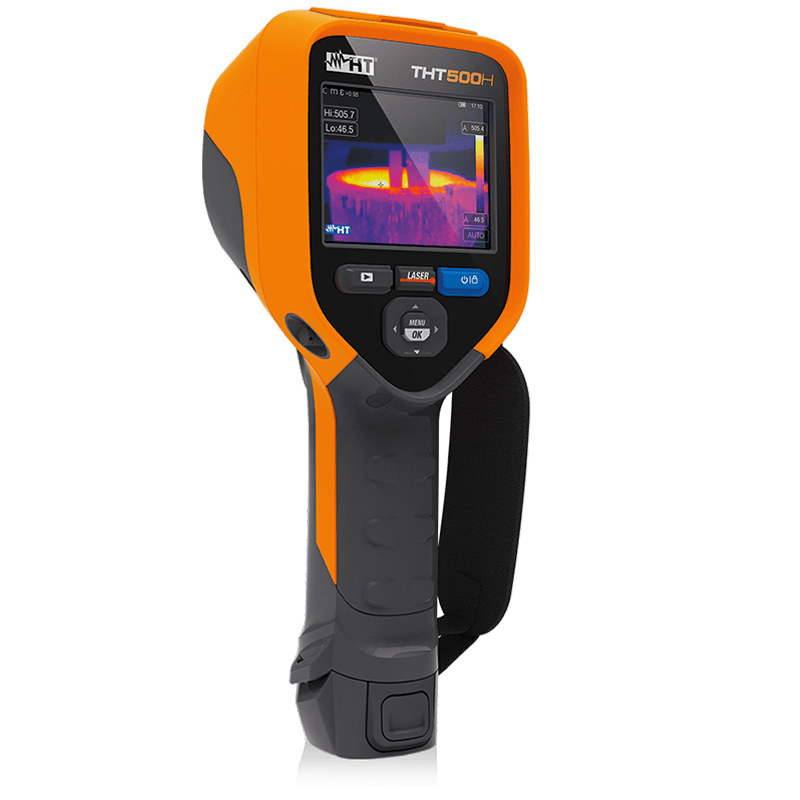
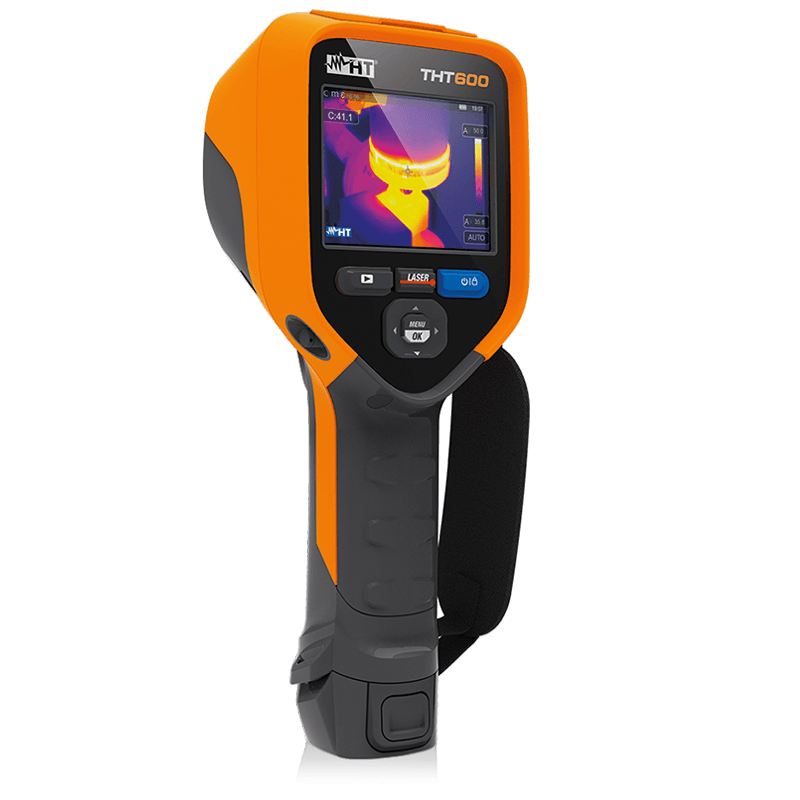
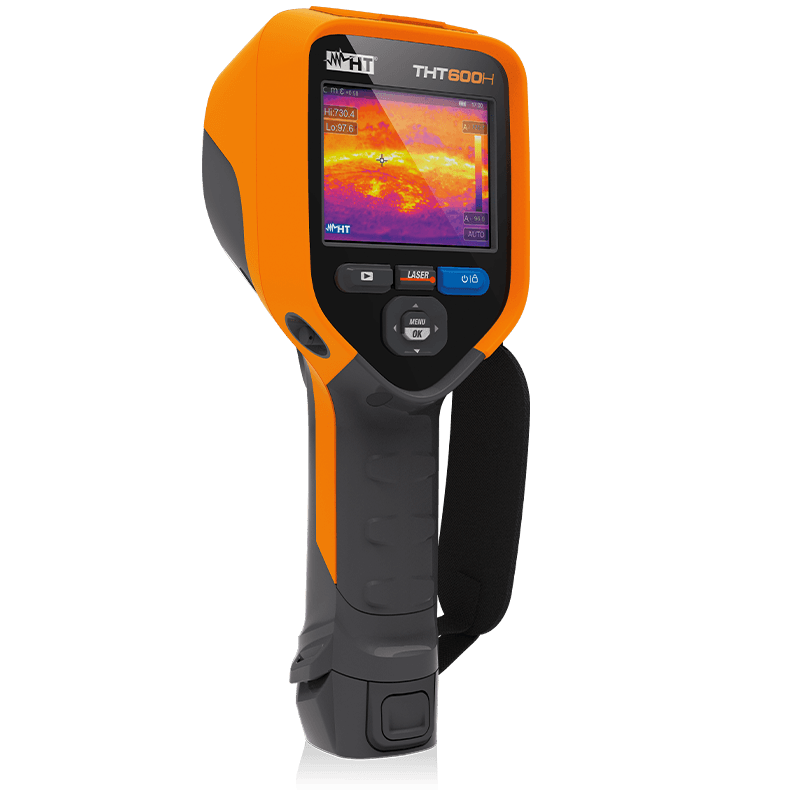
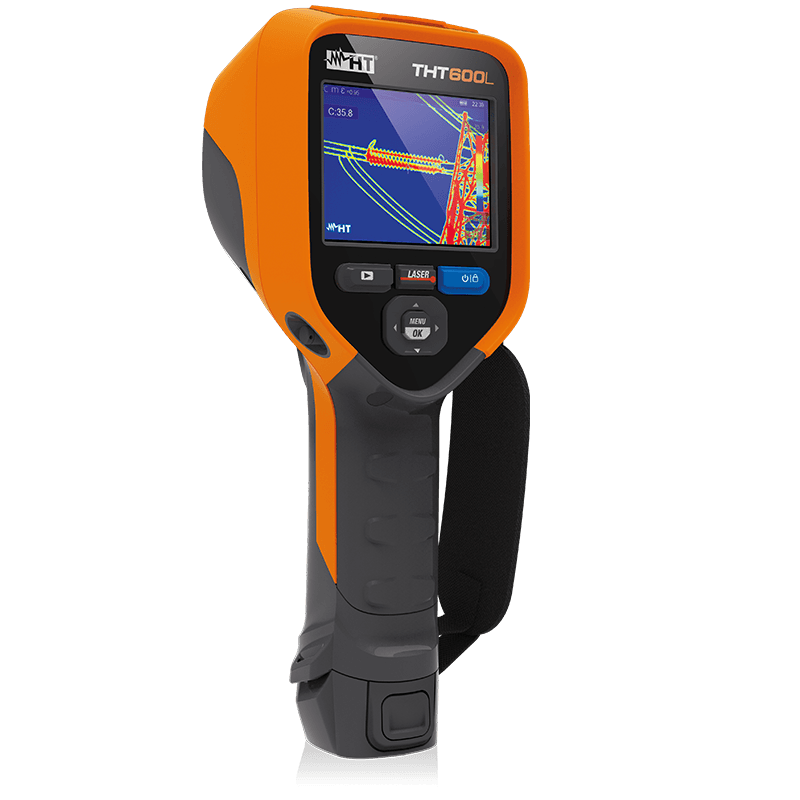
Upgrade your diagnostic capabilities with our premium range of thermal imaging cameras. At Electrotest, we supply advanced infrared technology designed for professionals who demand precision and reliability.
Whether you are performing electrical inspections, building diagnostics, or HVAC maintenance, a high-quality thermal imaging camera lets you quickly visualise heat differences and detect potential faults before they cause costly damage or downtime.
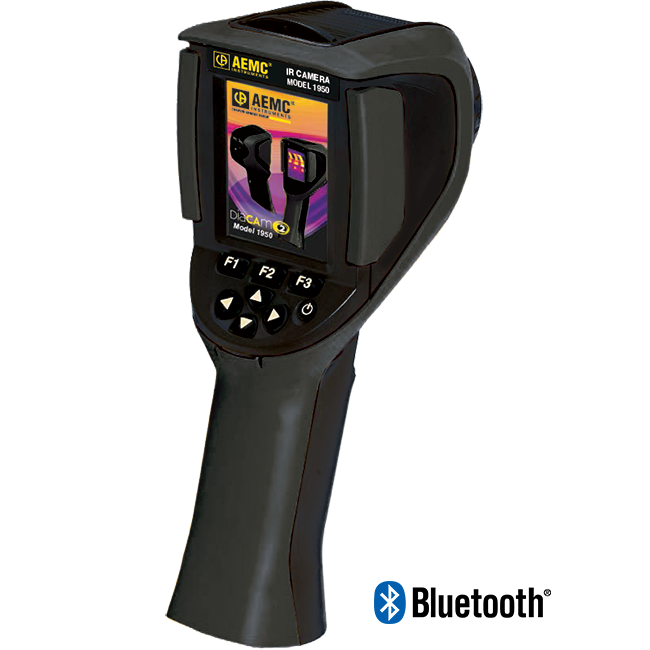
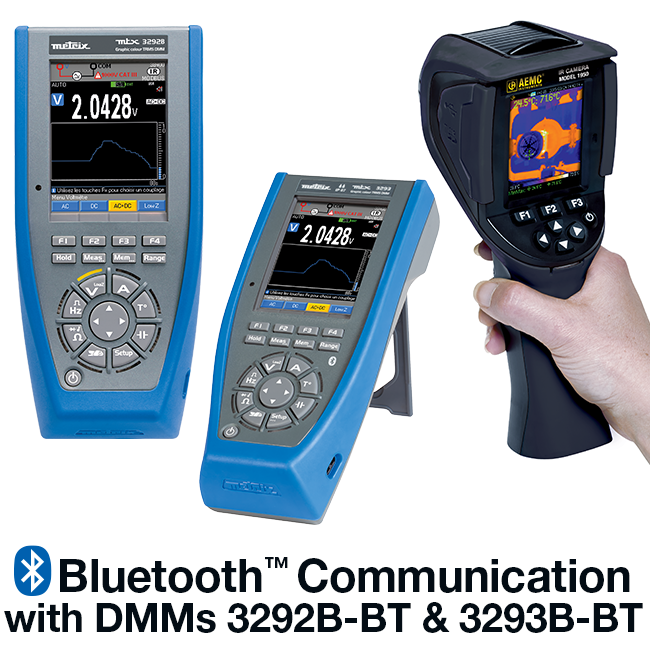
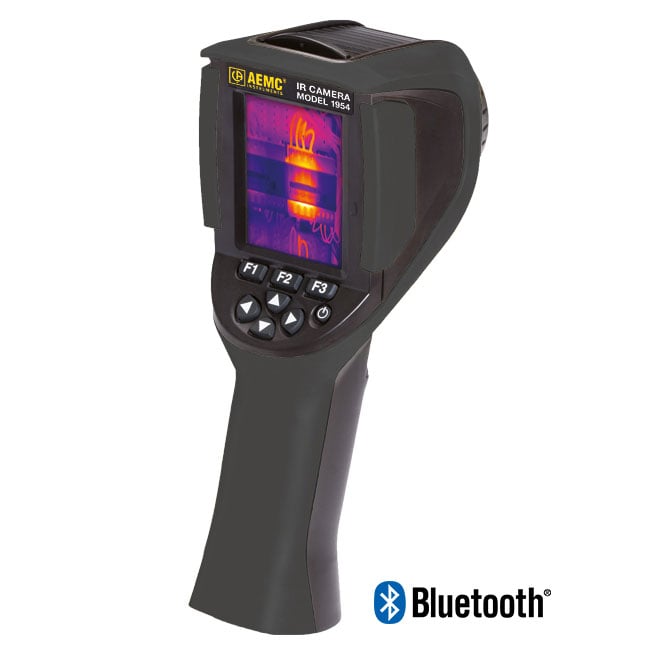
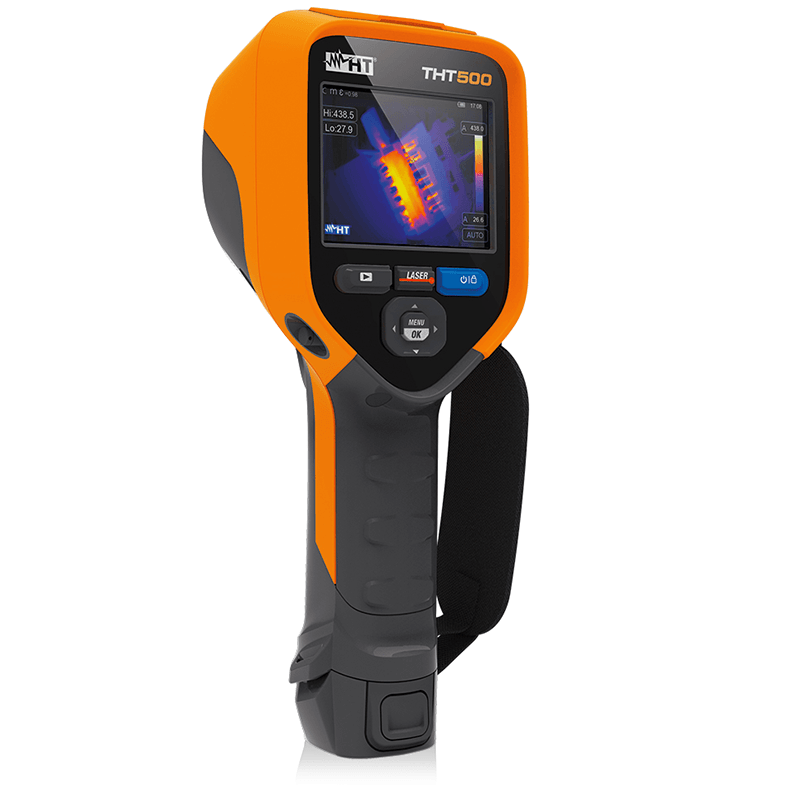
Our range features trusted brands like HT Instruments and AEMC, offering high IR resolution, wireless connectivity, and intuitive touch screens. With these tools, you can improve efficiency, enhance safety, and make more informed maintenance decisions across multiple industries.
Why Invest in an Infrared Thermal Camera?
Thermal imaging technology has transformed preventative maintenance with a thermal imaging camera. In NZ, these cameras allow technicians to detect infrared energy and visualise heat patterns, highlighting anomalies before they become serious problems.
Common Applications for Thermal Imaging
- Electrical Engineering: Quickly spot overheating components, loose connections, and overloaded circuits in switchboards and power networks.
- Building Diagnostics: Identify missing insulation, moisture intrusion, and thermal bridging without destructive testing.
- HVAC & Plumbing: Locate leaks in underfloor heating systems and monitor the efficiency of heating and cooling units.
When choosing a thermal imaging camera, consider factors like detector resolution, thermal sensitivity (NETD), and advanced features such as Wi-Fi connectivity or interchangeable lenses. Investing in the right camera ensures reliable readings and long-term performance.