Electrical testing can sound like something only engineers in white coats deal with, but the truth is… It’s part of everyday life for businesses, electricians, and even apprentices learning the trade. Whether it’s checking a kettle in the office or making sure a factory machine won’t cause a nasty shock, testing is what keeps workplaces safe and systems running smoothly.
This guide breaks down the main types of electrical testing used in New Zealand. You’ll see why each test matters, what tools are needed, and how it all ties back to safety, compliance, and efficiency. No jargon overload, just clear explanations you can actually understand.
Why Electrical Testing Matters
Think about it… Electricity is invisible. You can’t see if a wire is live, and you can’t always tell when an appliance is about to fail. That’s where testing comes in. It helps businesses and electricians avoid three big headaches:
Safety: First and foremost, testing prevents accidents. Shocks, burns, and even fires often trace back to poor wiring or faulty equipment.
Compliance: New Zealand has strict electrical standards (like AS/NZS 3760) that businesses must follow. Testing proves that the equipment is up to standard and safe for use.
Business continuity: A failed circuit in a café could mean no coffee machine during the morning rush… not ideal. Regular testing catches problems early, so equipment doesn’t break down when it’s needed most.
Key Types of Electrical Testing
Now, let’s dig into the actual tests. These are the ones you’ll come across most often in New Zealand workplaces and training.
Portable Appliance Testing (PAT)
If you’ve worked in an office, you’ve probably seen little stickers on the plugs of computers, kettles, or heaters. That’s from PAT testing.
This test checks if portable appliances are safe to use. It looks for issues like damaged cords, faulty plugs, or insulation problems. Businesses often schedule PAT testing yearly, though some high-use equipment might need more frequent checks.
Why does it matter? Imagine a power tool with a frayed cord on a building site. One careless touch could result in an electric shock. PAT testing makes sure small, everyday appliances don’t become big hazards.
Insulation Resistance Testing
Here’s where things get a bit more technical. Insulation resistance testing measures how good a cable’s insulation is. Think of insulation as the protective skin that stops electricity from leaking where it shouldn’t.
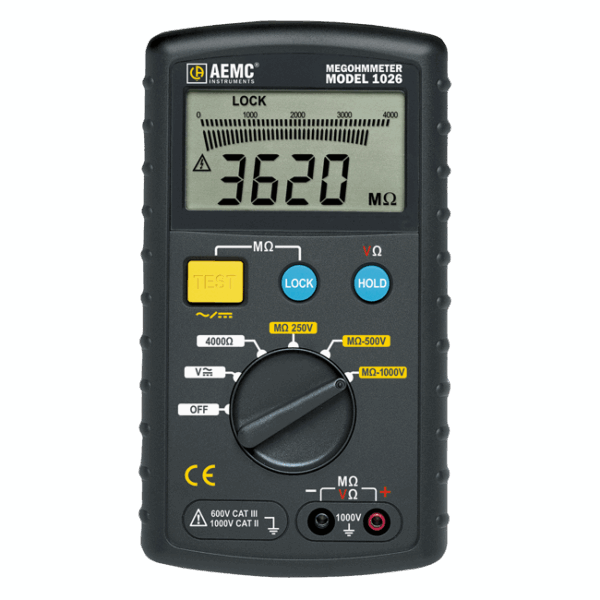
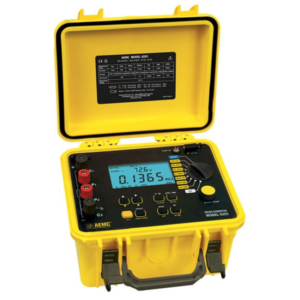
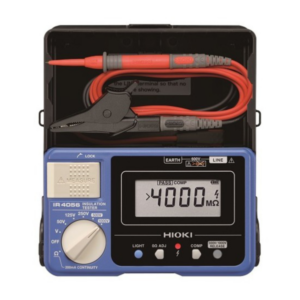
If insulation breaks down, electricity can escape, causing short circuits, shocks, or even fires. Insulation testers (often called “Meggers”) send a small voltage through the cable to see if it holds.
You’ll see this test used in commercial buildings, factories, or anywhere with a lot of wiring. It’s less common for DIYers, but apprentices will definitely come across it in training.
Continuity Testing
Continuity sounds fancy, but it’s basically asking: “Can electricity travel from point A to point B without being interrupted?”
This test is great for finding broken wires, faulty fuses, or dodgy switches. For example, say you’re repairing a lamp that won’t turn on. A continuity tester can quickly reveal whether the problem is with the bulb, the switch, or the wiring.
It’s simple, but it saves hours of guesswork.
Earth or Ground Testing
Every electrical system needs a safe path for stray current to travel into the ground. If this doesn’t happen, you could end up with live metal surfaces that are dangerous to touch.
Ground resistance testing makes sure that earthing systems are actually working. On a building site, this might mean checking the resistance of earth rods or grounding grids. Without this test, fault currents could cause severe shocks or equipment damage.
RCD Testing
Residual Current Devices (RCDs) are those little switches that trip when they detect leakage current. In simple terms, they shut off power before someone gets a dangerous shock.
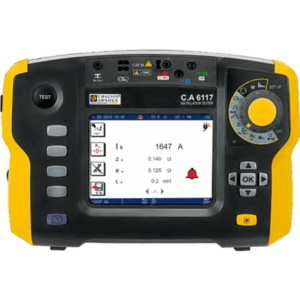
RCD testing checks how quickly these devices react. If they trip too slowly… the protection is useless. In New Zealand, RCDs are mandatory in many workplaces and homes, so regular testing is key.
Power Quality Testing
Here’s one for the bigger players. Power quality testing looks at things like voltage stability, harmonics, and spikes. Businesses with sensitive or expensive equipment rely on this type of testing to prevent downtime.
For example, hospitals, data centres, or factories with automated machines often use power meters to keep an eye on their supply. A voltage dip of just a second could shut down a production line, costing thousands. That’s why monitoring power quality is a smart move.
Tools of the Trade
So what do sparkies actually use? A mix of basics and some cool extras:
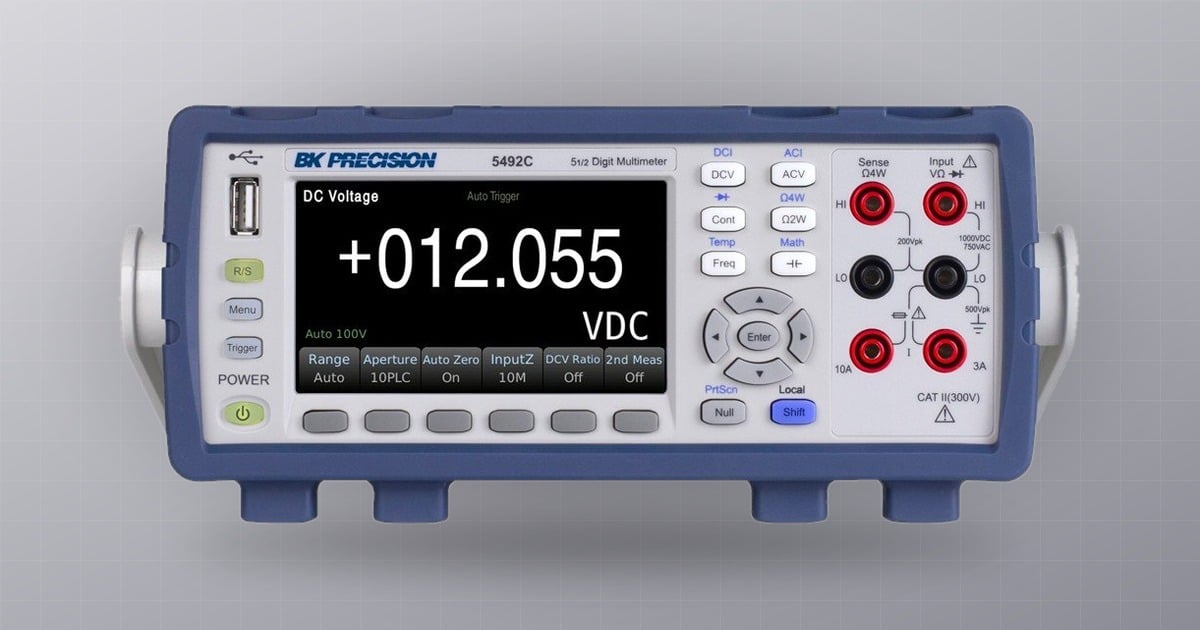
Multimeter: Measures voltage, resistance, and current. The go-to tool for almost every electrical job.
Insulation tester: Checks the quality of insulation, usually at higher voltages.
Clamp meter: Measures current without requiring wire disconnection.
Non-contact voltage tester: A quick way to check if a wire is live.
PAT tester: A specialised device for checking portable appliances.
And then there are the bonus toys: cable tracers to follow wires hidden in walls, or thermal imaging cameras to catch overheating gear before it goes boom.
Best Practices in NZ
Having tools is one thing. Using them properly is another. A few golden rules sparkies live by here:
Stick to NZ standards (they’re not suggestions, they’re must-dos).
Keep tidy records… WorkSafe will want receipts if something goes wrong.
Get your gear checked. Regular calibration keeps readings honest.
Assume everything’s live until proven otherwise. No shortcuts here.
When to Call the Pros
Not every business needs to drop thousands on gear. Many just hire electricians who already have the good stuff.
Pros come with advanced lab equipment and the know-how to match tests to situations. Outsourcing saves time, stress, and possibly money. Still, if you’re an apprentice or DIYer, starting with a multimeter and working up is a solid plan. Build confidence, then upgrade.
Conclusion
Electrical testing isn’t mysterious once you strip it back. It’s about safety, staying on the right side of compliance, and keeping things running smoothly. From PAT stickers on your office kettle to power quality checks in a hospital, each test keeps someone safe or something working.
And if you’re ready to level up your toolkit? Electrotest has you covered with reliable gear trusted across NZ. Whether you’re just starting your training or running a whole business, contact us today and get equipped with confidence.
Frequently Asked Questions
1. What types of electrical tests are most important for NZ businesses?
The big hitters are insulation resistance, ground resistance checks, and thermal imaging surveys. To nail them, you’ll want dependable testing equipment that won’t let you down mid-job.
2. Why is calibration so important in electrical testing?
Because accuracy matters. Without calibration, readings can drift, and suddenly “safe” isn’t safe at all. Luckily, suppliers often throw in handy technical resources to guide you on when to recalibrate.
3. Can small businesses or apprentices access professional-level testing tools?
Absolutely. Starter kits are out there, affordable, and super handy. Many suppliers even sort out shipping so you can get pro gear delivered to your door without hassle.
4. How do electricians know which test type to use for a job?
It depends on the problem… safety checks, power quality, or fault finding. When in doubt, just contact us or another trusted supplier for straight-up advice.
5. Are there risks if electrical testing is skipped?
For sure. Skipping tests means unseen faults, higher bills, or outright danger. The right testing equipment keeps those risks in check and your systems humming.
Understanding electrical rules helps keep people safe in their homes and workplaces. In Auckland, these rules are part of New Zealand law and make sure that electrical work is done properly. Electricity can be dangerous if it is not handled correctly. That is why there are codes that explain how wiring, switches, sockets and electrical gear should be installed and tested. If you are buying electrical supplies in Auckland or planning work in your home, you need to know how
Electrical safety is more important than ever, especially in homes, workplaces, and industrial settings. Faulty insulation in wiring can lead to shocks, short circuits, or even fires. That is why insulation resistance testing is essential. It helps identify weak or damaged insulation before any serious accidents occur. In New Zealand, electricians and building managers rely on proper testing to make sure installations are safe and compliant. Using the right procedures, tools, and quality electrical supplies in Auckland ensures circuits are correctly
Electrical work can be dangerous if it is not done safely. Without proper safety compliance, there could be shocks, fires, equipment damage, or even serious injury. Faulty wiring or damaged appliances can start accidents that are costly and dangerous. In this blog, we will explain electrical safety compliance in New Zealand so you can handle advanced electrical equipment. We will cover the rules, standards, requirements, and best practices that help keep people and property safe. By the end, you will
Electrical systems are all around us. They power our homes, workplaces, machines, and tools. When these systems fail, work stops. The lights go out. Equipment breaks. That can cost time and money. Regular maintenance helps prevent these problems before they happen. It keeps systems running smoothly and can extend the life of equipment. In this guide, we will explain preventive electrical maintenance so you’ll know what to do to make electrical systems last longer and run better. What Is Electrical
Share:
Stay in the loop for our new SPARKvue for Teachers Training Course launch!
Stay in the loop for our new Introduction to High Voltage Course launch!
Stay in the loop for our new UPS Installation & Commissioning Course launch!