Exciting news—our new website is here! We’re still polishing things up, so thanks for your understanding. Please contact us with any issues through info@electrotest.co.nz or call +64 9 448 2600.
Thank you for your support throughout the year! Please note our office will be closed from Friday, 19th December 2025, reopening on Monday, 5th January 2026. Wishing you a Merry Christmas and a Happy New Year!
Working with electricity can be risky if you are not careful. Even small jobs like changing a socket or checking a wire can be dangerous if you do not know whether power is flowing. This is why a voltage tester is such an important tool. It helps you check if electricity is present before you touch anything. For beginners and experienced workers alike, it adds a layer of safety.
In this article, we will explain what a voltage tester is and why it matters.
What Is A Voltage Tester?
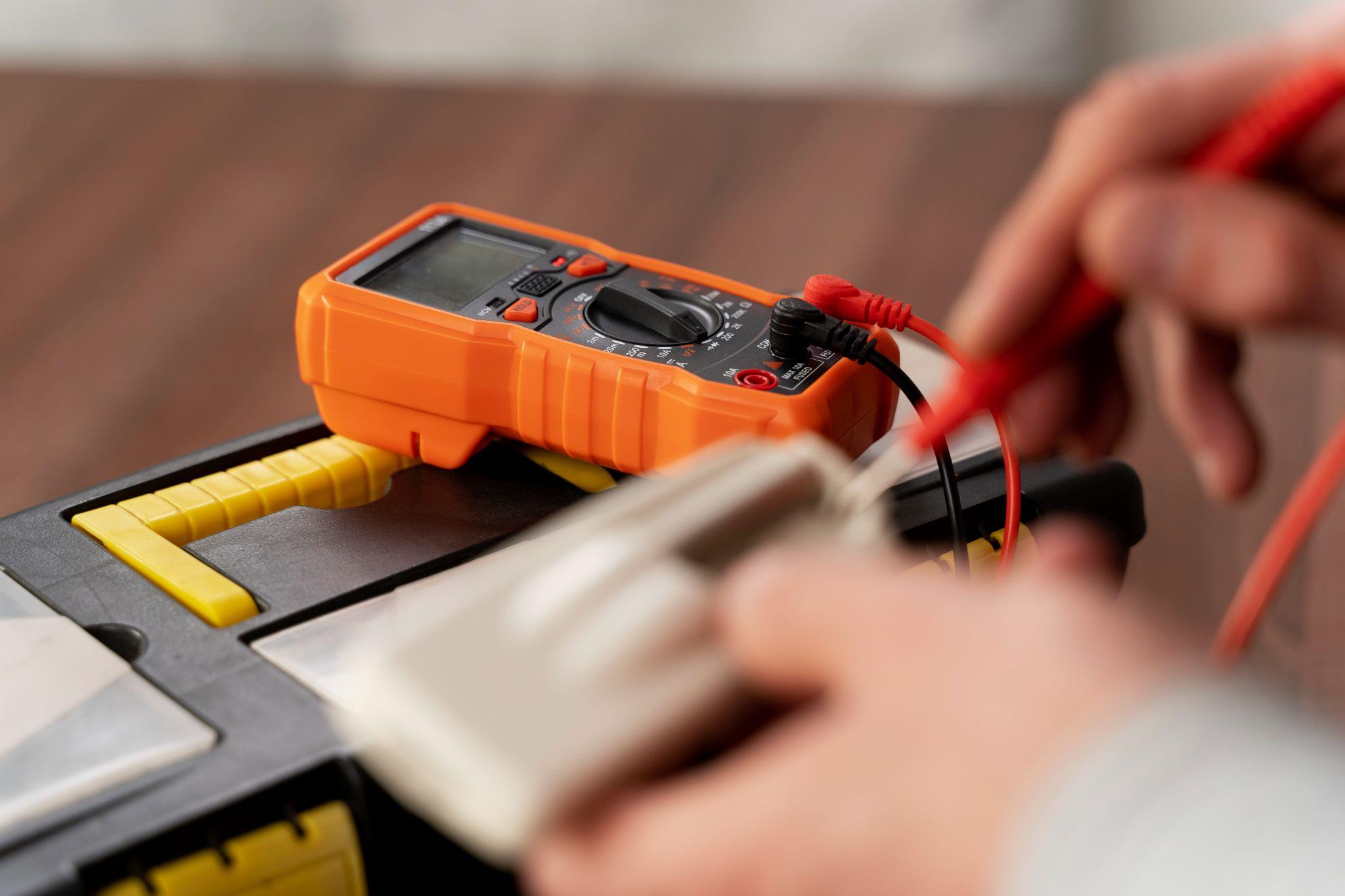
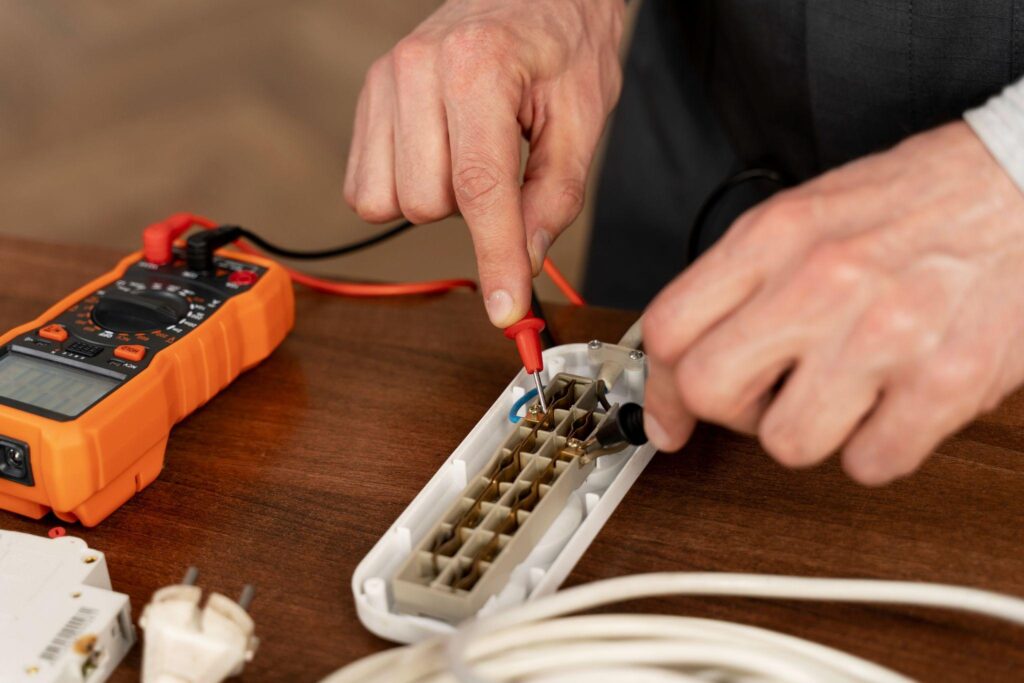
A voltage tester is a small tool used to check whether an electrical circuit or device has voltage. In simple terms, it tells you if electricity is present. Electricians use voltage testers before starting work to make sure it is safe to touch wires or components. Home users also rely on them for basic checks around the house.
Voltage testers come in different types and designs. Some are very simple and only tell you if the power is on or off. Others give more detailed information, like the voltage level. Choosing the right one depends on what kind of work you plan to do and how much detail you need.
Here is how a voltage tester usually works:
Detects electricity: The tester senses electrical energy in a wire or outlet.
Gives a signal: This can be a light, sound, or screen display.
Helps confirm safety: It shows whether a circuit is live or not.
Benefits Of Using A Voltage Tester
Using a voltage tester offers several clear benefits.
Improves Safety: It helps prevent electric shock by confirming if power is present before you start work.
Easy to Use: Most voltage testers are simple and require little training.
Saves Time: You can quickly check circuits instead of guessing or switching power on and off.
Reduces Mistakes: It lowers the risk of working on live wires by accident.
Useful for Many Tasks: Voltage testers work for outlets, switches, wires, and appliances.
Builds Confidence: Knowing your power status helps you feel more secure while working.
How To Choose The Right Voltage Tester
Choosing the right voltage tester depends on your work and skill level. Here are key points to think about.
1. Understand The Type Of Work You Do
Start by thinking about what kind of electrical work you plan to do. If you only do basic home tasks, you may not need a complex tester. Simple checks, like testing outlets or switches, can be done with basic tools.
If you work on larger systems or more advanced tasks, you may need a tester with more features. Professionals often need testers that handle higher voltages and give accurate readings. Matching the tester to your work keeps things simple and safe.
2. Choose Between Contact And Non Contact Testers
Some voltage testers need to touch the wire or terminal to work. These are called contact testers. They often give more precise results and can measure voltage levels.
Non-contact testers detect electricity without touching the wire. You just hold them close, and they alert you if power is present. These are popular for quick safety checks and are often easier for beginners to use.
3. Check Voltage Range
Every voltage tester has a voltage range it can detect. This means the minimum and maximum voltage it can safely measure. Household electricity usually falls within a standard range.
Make sure the tester you choose can handle the voltage you expect to work with. Using a tester outside its range can give false readings or damage the tool. Always check the product details before buying.
4. Look At Safety Ratings
Safety ratings tell you how well the tester is protected against electrical hazards. These ratings are often shown as categories. Higher categories mean better protection for tougher environments.
If you only work at home, a basic rating may be enough. For industrial or commercial settings, higher safety ratings are important. Choosing a tester with the right rating protects both you and the tool.
5. Consider Display And Alerts
Some voltage testers use lights or sounds to alert you. Others have digital screens that show numbers. Think about what is easiest for you to understand.
A clear display can help avoid confusion. Loud alerts can be useful in noisy areas. Simple signals may be better if you only need to know whether power is present or not.
6. Think About Durability And Build
Electrical work can be rough on tools. Dropping a tester or using it in tight spaces is common. A strong build helps the tester last longer.
Look for testers with sturdy casings and good reviews. A durable tool may cost more at first, but can save money over time by not needing replacement.
7. Check Ease Of Use And Comfort
A voltage tester should feel comfortable in your hand. Buttons should be easy to press, and the tool should not feel awkward to hold.
If a tester is hard to use, you may avoid using it properly. Comfort and ease of use help ensure you always check for voltage before working.
Tips For Choosing A Voltage Tester
Here are some practical tips to help you make a good choice.
Match Tool To Skill Level: Beginners should choose simple testers with clear signals.
Read Instructions Carefully: Understanding how the tester works helps avoid mistakes.
Do Not Buy Too Cheaply: Very cheap tools may not be accurate or safe.
Test The Tester: Always test it on a known live source before use.
Replace Batteries Regularly: Weak batteries can cause false readings.
Conclusion
Choosing the right voltage tester is an important step in staying safe while working with electricity. The right tool helps you know when it is safe to touch wires and when to step back. By understanding what a voltage tester does and how it works, you can make better decisions.
Think about your work, your skill level, and the features you need. Take time to choose a tester that feels right for you. A good voltage tester is not just a tool. It is a safety partner that helps protect you every time you work with electricity.
Have you ever looked around your workplace and wondered how many electrical items are plugged in every day? From office computers to warehouse machinery, businesses rely heavily on electrical equipment to keep things running smoothly. But when was the last time those items were actually checked for safety? Electrical faults can happen quietly without obvious warning signs. A damaged cable, faulty appliance, or overloaded device can become a safety risk for staff and customers. In this blog, we will explain
Electricity runs everything around us: lights, appliances, machines, the Wi-Fi router you’re probably using right now. The catch is… You can’t see it. You can’t tell by looking at a wire if it’s safe, or know if a circuit is about to fail. That’s why electrical inspections exist. In New Zealand, inspections aren’t just about ticking a box. They keep people safe, stop equipment from breaking down, and help businesses meet legal standards. Whether you’re a homeowner, a landlord, or
Electrical testing can sound like something only engineers in white coats deal with, but the truth is… It’s part of everyday life for businesses, electricians, and even apprentices learning the trade. Whether it’s checking a kettle in the office or making sure a factory machine won’t cause a nasty shock, testing is what keeps workplaces safe and systems running smoothly. This guide breaks down the main types of electrical testing used in New Zealand. You’ll see why each test matters,
If you are just starting in the world of DIY electrical work or beginning your apprenticeship, you will quickly learn that having the right tools makes a huge difference. Electrical test equipment is not just for seasoned electricians… it is also essential for anyone who wants to work safely and get reliable results. This guide has been put together especially with New Zealand DIYers and apprentices in mind. We will go through the most important test tools you should know
Share:
Stay in the loop for our new SPARKvue for Teachers Training Course launch!
Stay in the loop for our new Introduction to High Voltage Course launch!
Stay in the loop for our new UPS Installation & Commissioning Course launch!