Have you ever looked around your workplace and wondered how many electrical items are plugged in every day? From office computers to warehouse machinery, businesses rely heavily on electrical equipment to keep things running smoothly. But when was the last time those items were actually checked for safety?
Electrical faults can happen quietly without obvious warning signs. A damaged cable, faulty appliance, or overloaded device can become a safety risk for staff and customers.
In this blog, we will explain what test and tag means, how often businesses in New Zealand may need it, and why regular electrical safety checks are important.
What Is Test And Tag In NZ?
Test and tag is the process of checking electrical equipment to make sure it is safe to use. This usually involves inspecting appliances, testing electrical performance, and attaching a label that shows when the item was checked.
Businesses use many types of electrical devices every day. These may include computers, printers, tools, kitchen appliances, chargers, and machinery. Over time, normal wear and tear can damage electrical cords or internal components without people noticing.
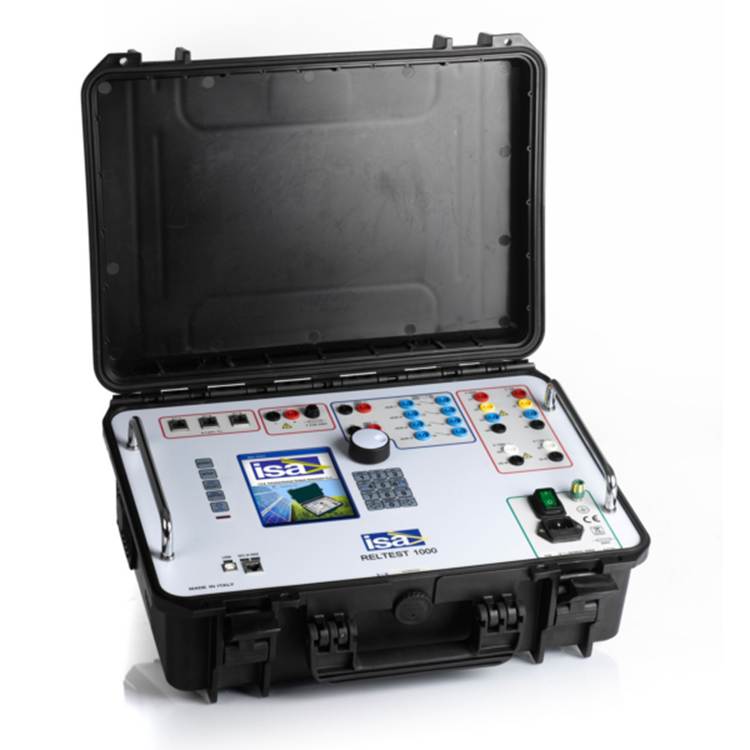
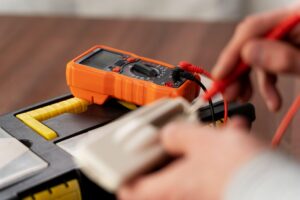
During testing, technicians often use specialised electrical testing equipment to check whether devices are working safely. This helps identify problems before they become dangerous.
The process may include:
- Visual inspections
- Electrical safety testing
- Recording test results
- Labelling tested equipment
- Checking damaged cables or plugs
Some businesses also use devices like a battery tester to check backup systems and portable equipment that rely on rechargeable power sources.
Test and tag is commonly used in offices, workshops, warehouses, schools, retail stores, and construction sites throughout New Zealand.
How Often Does Test And Tag Need To Be Done?
The frequency of test and tag depends on the type of workplace and how the equipment is used. Some businesses only need annual testing, while higher-risk environments may require checks every few months.
Workplaces with heavy equipment, dust, moisture, or constant movement usually need more frequent testing because the risk of damage is higher. Office environments with low-risk equipment may require less frequent inspections.
Low Risk Office Environments
Offices are usually considered lower-risk workplaces because most equipment remains stationary and is used in clean indoor environments. Computers, monitors, and printers generally experience less physical stress compared to construction tools or factory machinery.
Many office environments may schedule testing every one to five years, depending on company policy and risk assessments. However, damaged cords or faulty devices should still be checked immediately.Some offices also use devices like power meters to monitor electrical usage and maintain equipment efficiency.
Construction And Industrial Sites
Construction sites are considered high risk because electrical tools are exposed to dust, movement, weather, and rough handling. Cables can easily become damaged in these environments.
Because of these risks, testing may be required much more frequently. Some tools may need inspection every few months, depending on site conditions and usage levels.
Common equipment checked on construction sites includes:
- Power tools
- Extension leads
- Portable lighting
- Chargers
- Site machinery
Technicians may also use a clamp meter to measure electrical current safely during inspections.
Workshops And Factories
Factories and workshops often use machinery that operates for long hours each day. Continuous use increases wear on cables, plugs, and electrical components.
Businesses in these environments usually require more regular inspections to reduce downtime and improve workplace safety. Equipment exposed to heat, dust, oils, or vibration may wear out faster than expected.
Some technicians also use tools like a thermal imaging camera to identify overheating electrical components before failures happen.
Hospitality And Retail Businesses
Restaurants, cafes, and retail stores also rely heavily on electrical appliances. Kitchen equipment, coffee machines, refrigerators, and display systems are often used continuously throughout the day.
These businesses may require regular testing because equipment is exposed to heat, moisture, and constant use. Damaged appliances in customer areas can also create safety concerns.
Hospitality businesses often test:
- Kitchen appliances
- Refrigeration units
- EFTPOS systems
- Display equipment
- Portable heaters or fans
Regular inspections help reduce unexpected breakdowns during busy operating hours.
Schools And Educational Facilities
Schools, universities, and training centres use a large number of electrical devices daily. Classrooms, laboratories, and offices all contain equipment that students and staff interact with regularly.
Educational facilities may test computers, projectors, extension leads, and even specialised science equipment used in laboratories or workshops.
Keeping electrical devices safe is especially important in environments where many people use shared equipment every day.