Understanding electrical rules helps keep people safe in their homes and workplaces. In Auckland, these rules are part of New Zealand law and make sure that electrical work is done properly. Electricity can be dangerous if it is not handled correctly. That is why there are codes that explain how wiring, switches, sockets and electrical gear should be installed and tested.
If you are buying electrical supplies in Auckland or planning work in your home, you need to know how the rules work. This helps you pick parts that follow the standards and protect people from shocks, fires and damage. This article explains the basic electrical codes in Auckland and gives simple steps to choose the right supplies for any job.
Why Electrical Codes Matter
Electrical codes are there to protect people. They set minimum standards for how electrical systems are installed and used. If work does not meet these rules, it may be unsafe and lead to problems later.
Examples of issues that happen when rules are ignored include:
Power points that loosen and spark
Wires that overheat and start fires
Appliances that get damaged by incorrect wiring
People get shocked when using switches or cords
Following the codes helps avoid these dangers. It also makes sure that houses meet requirements for insurance and inspections when selling or renovating.
What Are Auckland Electrical Codes?
In Auckland and across New Zealand, electrical codes are part of the Electricity (Safety) Regulations and AS/NZS standards. They are written by experts and updated as technology and safety knowledge change.
These codes cover many things, like:
How many power points should a room have
The type of cable and wiring allowed
How to protect circuits with switches and fuses
Rules for outdoor power and appliances
Safety devices that prevent shocks and short circuits
Electricians study and follow these codes to keep themselves safe. If you are doing simple tasks like changing a light or a plug, it helps to know the rules, too. That way, you know what parts are allowed and what parts are not.
Who Needs To Follow These Codes?
Anyone doing electrical work in Auckland should follow the codes. This includes:
Registered electricians
Builders doing renovations
Homeowners who install a simple gear
Landlords who maintain rental homes
Even small jobs need the right supplies and safe fitting. If the work is more complex, a registered electrician should do it. This also protects you if you have to show inspection reports later.
Key Electrical Codes And Standards You Should Know
Understanding the main codes helps you choose the right electrical supplies in Auckland. These rules keep homes and buildings safe. Here are the ones that matter most:
Electricity (Safety) Regulations 2010
These regulations form the base of electrical safety in New Zealand. They explain what counts as safe work, what must be tested, and what must be certified. Any work that touches wiring or circuits must follow these regulations.
AS/NZS 3000:2018 Wiring Rules
This standard is the main guide for electrical installations. It covers things like cable size, circuit protection, earthing, switch placement, bathroom rules and lighting safety. Electricians use this standard every day because it shows how to install everything correctly.
Local Auckland Council Requirements
Auckland Council may have extra rules for certain projects, like renovations or new builds. These rules can cover things like switchboard placement, building layouts or added safety steps. It is important to check these if you are doing any permit-related work.
WorkSafe New Zealand Guidelines
WorkSafe provides rules for electrical safety in workplaces. If your building is used for work, you must follow these guidelines. They help protect staff and customers from hazards like exposed wiring or unsafe switchboards.
Supplier And Product Compliance Rules
Electrical supplies must meet New Zealand safety standards. They need proper markings that show they are tested and approved. This includes switches, cables, sockets, breakers, fittings and tools. Using non-compliant parts breaks the rules and can be unsafe.
RCD And Circuit Protection Requirements
Modern rules require safety devices that help prevent shocks. RCDs must be used in many parts of a home, especially areas with water. These rules help lower the risk of harm if a fault happens.
What To Check When Buying Electrical Supplies
Choosing the right supplies means checking simple things before you buy. Here are the most important points.
1. Compliant Markings
Every safe electrical part should have a label that shows it meets New Zealand standards. This may be a small symbol or code on the package. If it does not show these marks, it may not be safe to use.
2. Correct Rating
Make sure the part has the right rating for the job. Light fittings, switches and sockets should match the voltage and current of your home supply. If they are too weak, they may fail.
3. Durable Materials
Electrical parts should be made of good-quality materials. Cheap plastics can crack and expose wires. Good parts help prevent shorts and damage.
4. Designed For The Place
Indoor parts are different from outdoor ones. Outdoor gear must resist moisture and dust. Choose parts that match where they will be installed.
5. Compatibility With Other Gear
Check that the new part fits with the other devices in your system. For example, a modern switch should fit the box in your wall and work with the cables you have.
6. Safety Features
Look for parts with built-in safety features. Some switches include safety covers. Some outlets have shutters that protect children. These help prevent accidents.
Types Of Electrical Supplies You May Need
Different jobs need different parts. Here are common supplies and simple notes on each.
Wires And Cables: These carry power. Choose the right thick wire for the load. Thicker wires help prevent overheating.
Power Points and Sockets: These let you plug in appliances. They must be rated for your local supply and meet safety marks.
Switches: These control lights or outlets. They should match the current load and fit your wall box.
Circuit Breakers: These protect circuits. They cut the power if too much current flows.
Light Fittings: These hold bulbs and connect to the supply. They should be safe for the room type, especially in bathrooms and kitchens.
Safety Devices: Devices such as residual current devices (RCDs) help protect against shocks. These are important in areas with water.
Simple Steps For Safe Installation
Even if you choose the right parts, installation matters.
Here are the steps most trades follow:
Turn off the power before starting the job.
Use proper tools for electrical work.
Read the labels and instructions on the parts.
Make sure wires are joined correctly.
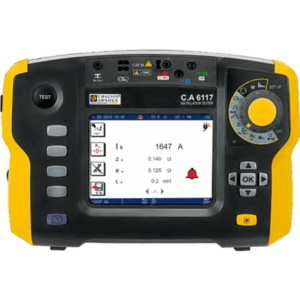
Test the circuit after fitting.
If unsure, call a registered electrician.
Many people underestimate how easy it is to make a mistake. Switching off the power and testing after work helps prevent shocks and errors.
Conclusion
Auckland electrical codes keep homes and workplaces safe. They help prevent shocks, fires and damage. Knowing the basics helps you pick parts that fit the rules and work well. When you choose compliant supplies and fit them right, the whole system stays safe and long-lasting.
If you need help finding the right electrical parts or tools, contact a trusted supplier or electrician. They can guide you so you know what parts match your needs and meet the rules. Safe supplies and good installation keep your home protected and working well for years.
Ask any electrician what they’d grab first to check current on a live circuit, and nine times out of ten they will point to the clamp meter hanging off their belt. The versatility of this device is what makes it popular. With a clamp meter, you can measure amps without cutting into a wire, and without shutting anything down; that’s the whole appeal, and it’s why the gadget has become standard kit across electrical work, HVAC, automotive diagnostics, and industrial
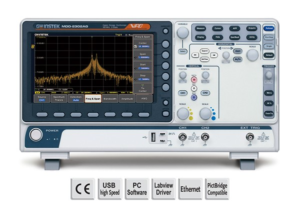
A voltage reading tells you a number. An oscilloscope tells you a story. Where a multimeter gives you one static figure, a scope plots voltage against time, continuously, so you actually see how a signal behaves. That difference matters more than most beginners realise. A motor might show a normal average current on a multimeter and still be throwing a nasty voltage spike every few milliseconds. A multimeter won’t catch that. A scope will show it plainly, right there on
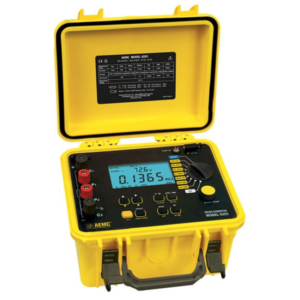
Electrical safety is more important than ever, especially in homes, workplaces, and industrial settings. Faulty insulation in wiring can lead to shocks, short circuits, or even fires. That is why insulation resistance testing is essential. It helps identify weak or damaged insulation before any serious accidents occur. In New Zealand, electricians and building managers rely on proper testing to make sure installations are safe and compliant. Using the right procedures, tools, and quality electrical supplies in Auckland ensures circuits are correctly
Electrical work can be dangerous if it is not done safely. Without proper safety compliance, there could be shocks, fires, equipment damage, or even serious injury. Faulty wiring or damaged appliances can start accidents that are costly and dangerous. In this blog, we will explain electrical safety compliance in New Zealand so you can handle advanced electrical equipment. We will cover the rules, standards, requirements, and best practices that help keep people and property safe. By the end, you will
Share:
Stay in the loop for our new SPARKvue for Teachers Training Course launch!
Stay in the loop for our new Introduction to High Voltage Course launch!
Stay in the loop for our new UPS Installation & Commissioning Course launch!