Electricity runs everything around us: lights, appliances, machines, the Wi-Fi router you’re probably using right now. The catch is… You can’t see it. You can’t tell by looking at a wire if it’s safe, or know if a circuit is about to fail. That’s why electrical inspections exist.
In New Zealand, inspections aren’t just about ticking a box. They keep people safe, stop equipment from breaking down, and help businesses meet legal standards. Whether you’re a homeowner, a landlord, or running a business, knowing what’s checked and why can save a lot of stress later.
This guide is a simple checklist you can follow, whether you’re organising an inspection or just want to understand what’s going on when the electrician shows up.
Why Regular Electrical Inspections Matter
First up… why bother? Here are the big reasons:
Safety. Faulty wiring and dodgy gear cause fires, shocks, and accidents. A regular check lowers that risk.
Compliance. New Zealand has strict electrical rules. Businesses, in particular, must meet AS/NZS standards. If something goes wrong and you skipped inspections, it’s not a good look.
Money. Catching problems early saves cash. Replacing a worn cable or cable tracers costs less than repairing damage after it fails.
Insurance. Many insurers want proof that your systems have been checked. No inspection report? They might not pay out.
Core Checklist for Homes
Here’s what a proper inspection usually covers at home:
Switchboards and fuses. Modern ones with circuit breakers and RCDs are safer than old ceramic fuses. If yours still has those, it’s probably time for an upgrade.
Wiring condition. Old or frayed wires are a fire waiting to happen. Overloaded wiring is another common issue.
RCDs. These devices cut power if there’s a fault. They can save lives. An inspection checks if they’re installed and working.
Lighting, switches, sockets. Signs of heat, cracks, or loose fittings all matter.
Appliances. Cords shouldn’t be crushed, taped, or patched up. Inspectors look for damage.
Smoke alarms. They check if alarms are in the right places and actually work.
A home inspection is basically about making sure that everyday stuff you touch, like lights, plugs, and heaters, is safe.
Core Checklist for Businesses
Businesses get all the same checks as homes, but with extras:
Emergency lighting. If the power goes out, exit signs and lights need to work.
Portable Appliance Testing (PAT). Office gear, tools, and machines are tested and tagged by using PAT testers.
Machinery and equipment. Anything high-use or high-power gets extra attention.
Earthing and bonding. Ensures stray current goes safely into the ground, not into people or equipment.
Backup power.Signal generators or UPS systems are checked so they don’t fail during outages.
Workplaces usually have more gear, more people, and higher risks. That’s why inspections are done more often.
How Often Should Inspections Happen?
There isn’t one answer. It depends on where you are.
Homes. Every 5–10 years is common. Older houses should be checked more often.
Rentals. Healthy Homes Standards mean checks often happen at every tenancy change.
Businesses. Offices may get checked every few years. Factories, construction sites, and hospitality venues need checks more often because equipment works harder and risks are higher.
If in doubt, ask your electrician how often they recommend based on your setup.
Who Can Carry Out an Electrical Inspection?
Only licensed electricians or inspectors. This isn’t a DIY job.
For smaller checks, like replacing a socket or testing a smoke alarm, an electrician usually does it. For official reports, like when buying a property or meeting insurance requirements, you may need a registered inspector.
Always ask for a certificate or written report after the inspection. It’s your proof that everything’s up to code.
Common Red Flags Inspectors Find
Not sure what they might pick up? These are the usual suspects:
Old switchboards. Ceramic fuses are outdated and unsafe compared to modern circuit breakers.
Overloaded circuits. Too many devices are plugged into one line. Extension cords aren’t a long-term fix, and regular circuit breaker testing helps catch issues before they turn dangerous..
No RCDs. Without them, the risk of shock is much higher.
DIY wiring. Unlicensed work is a major problem. It’s unsafe and often illegal.
Appliances without tags. In workplaces, appliances need PAT testing. No tag = not tested.
Spot any of these? It’s a good sign that you need an inspection sooner rather than later.
Best Practices in New Zealand
Inspections are crucial, but they’re not the whole story. Staying safe also comes down to the habits you keep between official checks. Here are some best practices that New Zealand homes and businesses should follow:
1. Save inspection records.
Every time an inspection happens, keep the paperwork. Don’t just toss it in a drawer. Store it somewhere easy to find. If WorkSafe turns up or your insurer asks for proof, those records show you’ve done the right thing.
2. Keep up with PAT testing.
Portable Appliance Testing isn’t just a formality. It shows that everyday items, like office kettles, power tools, or laptops, are still safe to use. The tags make compliance simple to track, but only if the tests happen on schedule. Forgetting means you’re running the risk of non-compliance.
3. Replace the faulty gear; don’t patch it.
It’s tempting to slap tape on a frayed cord or wiggle a plug until it “sort of” works. That’s not a solution. Damaged equipment can cause shocks or even start fires. Replacing a $20 power cord now is far cheaper than dealing with the fallout from a serious fault later.
4. Always use qualified electricians.
Electrical work isn’t a place to cut corners. A quick DIY fix or hiring someone unqualified may look cheaper upfront, but if something goes wrong, the costs can skyrocket: repairs, fines, and even injuries. A licensed electrician gets it right the first time, and you’ll know the work meets NZ standards.
5. Review your setup after changes.
Renovations, new machinery, or even adding a few more appliances in the office can shift how much load your electrical system carries. A quick review or inspection after changes helps prevent overloaded circuits or hidden faults.
6. Train your staff (for businesses).
In workplaces, accidents often happen because someone didn’t realise the risks. Simple training, like how to spot a damaged cord or what not to plug into an overloaded board, makes a huge difference.
When to Call the Pros
Some jobs are fine for an electrician on call. Others need full inspection services.
For example, buying a house? You’ll want a full report from an inspector. Running a factory? A licensed electrician can handle routine checks, but big compliance reports might need more.
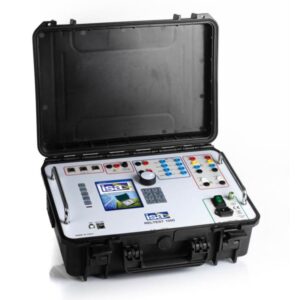
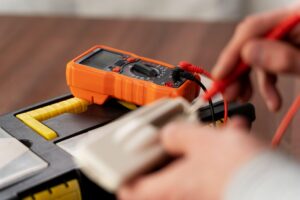
Pros also bring tools most people don’t own. Think thermal imaging cameras to spot hot spots in switchboards, or advanced testers for large systems. It’s worth paying for that expertise when safety is on the line.
Conclusion
Electrical inspections aren’t exciting, but they’re necessary. They keep homes safe, businesses compliant, and insurance valid. From smoke alarms in a flat to RCD tests in a warehouse, each part of the checklist has a purpose.
If you’re not sure when your last inspection was, or you know your setup hasn’t been checked in years, now’s a good time to book one. For reliable test equipment and support, you can check out Electrotest, trusted across New Zealand for keeping inspections simple and effective. Get in touch with us today!
Frequently Asked Questions
1. How often should electrical inspections be done in New Zealand?
For homes, every 5–10 years is common. For businesses, checks are usually more frequent depending on the equipment used. Many suppliers recommend annual inspections for high-use environments like workshops or factories.
2. What happens if I skip an inspection?
Small faults can turn into big hazards… think fire risks or failed equipment. Insurance claims may also be harder to make if inspections were missed. If you’re unsure, just contact us and we’ll point you in the right direction.
3. Do I need to hire a licensed electrician for inspections?
Yes, in most cases. Licensed electricians know what to look for and follow NZ regulations. While some checks, like pressing RCD test buttons, can be done by anyone, formal inspections need qualified professionals.
4. Can I order electrical inspection tools online?
Absolutely. Many testing tools can be purchased online, and most suppliers offer nationwide shipping so you can get the gear you need without delay.
5. What’s included in a standard inspection?
A typical inspection covers wiring, switchboards, RCDs, circuit breakers, and appliances. Businesses may also require PAT testing or more advanced checks depending on the industry.
Have you ever looked around your workplace and wondered how many electrical items are plugged in every day? From office computers to warehouse machinery, businesses rely heavily on electrical equipment to keep things running smoothly. But when was the last time those items were actually checked for safety? Electrical faults can happen quietly without obvious warning signs. A damaged cable, faulty appliance, or overloaded device can become a safety risk for staff and customers. In this blog, we will explain
Working with electricity can be risky if you are not careful. Even small jobs like changing a socket or checking a wire can be dangerous if you do not know whether power is flowing. This is why a voltage tester is such an important tool. It helps you check if electricity is present before you touch anything. For beginners and experienced workers alike, it adds a layer of safety. In this article, we will explain what a voltage tester is
Electrical testing can sound like something only engineers in white coats deal with, but the truth is… It’s part of everyday life for businesses, electricians, and even apprentices learning the trade. Whether it’s checking a kettle in the office or making sure a factory machine won’t cause a nasty shock, testing is what keeps workplaces safe and systems running smoothly. This guide breaks down the main types of electrical testing used in New Zealand. You’ll see why each test matters,
If you are just starting in the world of DIY electrical work or beginning your apprenticeship, you will quickly learn that having the right tools makes a huge difference. Electrical test equipment is not just for seasoned electricians… it is also essential for anyone who wants to work safely and get reliable results. This guide has been put together especially with New Zealand DIYers and apprentices in mind. We will go through the most important test tools you should know
Share:
Stay in the loop for our new SPARKvue for Teachers Training Course launch!
Stay in the loop for our new Introduction to High Voltage Course launch!
Stay in the loop for our new UPS Installation & Commissioning Course launch!