Electrical systems are all around us. They power our homes, workplaces, machines, and tools. When these systems fail, work stops. The lights go out. Equipment breaks. That can cost time and money. Regular maintenance helps prevent these problems before they happen. It keeps systems running smoothly and can extend the life of equipment.
In this guide, we will explain preventive electrical maintenance so you’ll know what to do to make electrical systems last longer and run better.
What Is Electrical Preventive Maintenance?
Preventive electrical maintenance is the practice of regularly inspecting, testing, and servicing electrical systems. The aim is to find small issues before they turn into major faults. This type of maintenance is planned and done on a set schedule instead of only when something fails. Tools such as a voltage tester are often used to safely check circuits and ensure everything is working correctly.
In many workplaces, preventive maintenance is part of health and safety routines. It reduces the risk of shocks, fires, and costly equipment breakdowns. Maintenance also helps machines work more efficiently. Over time, this can save energy and reduce repair costs.
Here is how preventive maintenance works:
Routine Inspection: Look at equipment and wiring on a regular schedule.
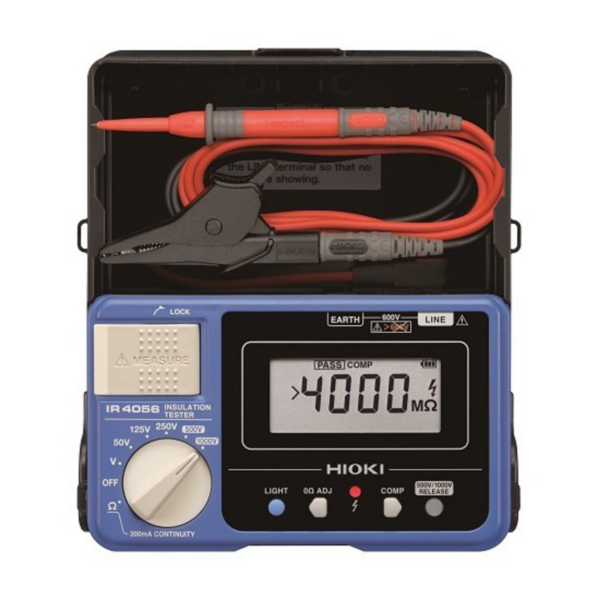
Testing With Tools: Use proper tools, such as an insulation resistance tester, to measure electrical performance and safety.
Cleaning Components: Remove dust and dirt that can cause overheating.
Tightening Connections: Fix loose screws and connections before they fail.
Replacing Old Parts: Swap out worn parts before they break.
Record Keeping: Write down what you check and when so you can spot trends.
Why Electrical Preventive Maintenance Matters
Preventive maintenance matters because it keeps systems safer and more reliable. These points show why it is so important:
Improves Safety: Regular checks reduce the chances of electrical fires and shocks.
Reduces Downtime: Catching problems early means fewer unexpected breakdowns.
Cuts Long-Term Costs: Small repairs now prevent expensive fixes later.
Extends Equipment Life: Well-maintained machines and wires last longer.
Boosts Energy Efficiency: Clean and well-adjusted systems use less power.
Supports Compliance: Many workplaces must show regular testing for safety.
How To Do Electrical Preventive Maintenance
Here are the key steps to carry out effective maintenance.
1. Create A Maintenance Schedule
Start by setting up a schedule that fits your systems. Choose how often you will check each piece of equipment. Critical systems may need weekly checks, while other areas may need monthly or quarterly checks.
Work with people who know the electrical setup. Set dates and tasks clearly so nothing gets missed. A written plan makes maintenance less likely to be forgotten.
2. Gather The Right Tools
Always use proper tools when you test and inspect electrical systems. Ordinary tools are not enough. Using the correct tools helps you find issues that you cannot see with your eyes.
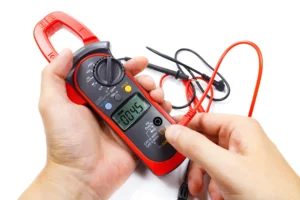
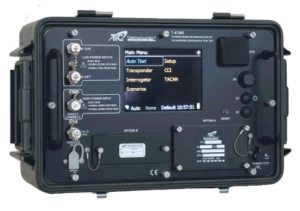
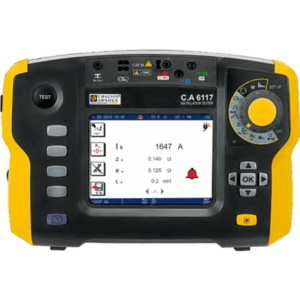
Examples of useful tools include a voltage tester to check if circuits are live and a clamp meter to measure the current flowing in a cable. An insulation resistance tester can show whether wires are starting to leak electricity. If you need help finding equipment, local stores sell electrical testing equipment and parts, and you can also buy electrical supplies in Auckland or other centres.
3. Carry Out Visual Inspections
Visual checks are the first step in maintenance. Look at wires, plugs, switches, and equipment surfaces. Look for burn marks, loose wiring, cracks, rust, or broken parts.
Check boards and panels for dirt, dust or corrosion. These can hide serious problems. Remember that visible damage often means deeper issues inside.
4. Test Electrical Circuits
Testing helps find hidden faults that a visual inspection might miss. Use tools like a cable locator to trace hidden wires and avoid digging into walls by mistake. A battery tester can check backup battery systems that keep alarms or safety systems running during outages.
Take your time and follow safety instructions carefully. Work room by room or section by section.
5. Clean Electrical Components
Dirt and dust collect over time and can cause heat buildup. Heat is a major cause of electrical failure. Use a dry cloth or soft brush to remove debris from panels, switches, sockets and motors.
Do not use water or liquid cleaners around electrical circuits. Power must be turned off before cleaning live electrical boxes.
6. Tighten Connections And Fasteners
Loose connections cause sparks and heat. Over time, vibrations and use can make screws and terminals loose. Tightening these keeps the current flowing safely.
Check terminal blocks, bus bars, and cable clamps. Make sure all screws are firm without overtightening, which can damage parts.
7. Check Safety Devices And Earthing
Safety devices like circuit breakers and residual current devices (RCDs) protect against faults. Test these regularly to ensure they trip when needed. Faulty safety devices can fail to protect people and equipment.
Earthing or grounding makes sure electricity has a safe path if something goes wrong. Poor earthing can lead to shocks. Check earth connections and paths during each maintenance session.
8. Record And Review Results
Write down what you checked and what the results were. Good records help you spot patterns or areas that need extra attention. If one circuit keeps failing tests, you know to watch it more closely next time.
Comparing results over time shows wear and decline before alarms or failures happen.
Common Mistakes To Avoid
Here are common errors people make during preventive maintenance.
Ignoring Small Issues: Small warning signs often become big problems if left unchecked.
Skipping Tests: Relying on visual checks only can miss hidden faults that testing would find.
Using Wrong Tools: A cheap, non‑specialist tool cannot give accurate readings. Never skip proper testers.
Not Turning Off Power: Working on live circuits is unsafe. Always isolate power before maintenance.
Poor Record Keeping: If you do not record what you checked and found, you cannot track trends.
Delaying Repairs: Finding a fault and waiting to fix it increases the risk of failure.
Conclusion
Electrical preventive maintenance does not require mystery or special skills. It needs planning, the right tools, regular checks and good records. By doing maintenance routinely, you reduce downtime and extend the life of equipment.
At Electrotest, we understand the value of proactive maintenance and safe electrical systems. If you need support with testing, safety checks, or installing the right equipment, we can help. Contact us for guidance and services to keep your systems running well and safe.
Ask any electrician what they’d grab first to check current on a live circuit, and nine times out of ten they will point to the clamp meter hanging off their belt. The versatility of this device is what makes it popular. With a clamp meter, you can measure amps without cutting into a wire, and without shutting anything down; that’s the whole appeal, and it’s why the gadget has become standard kit across electrical work, HVAC, automotive diagnostics, and industrial
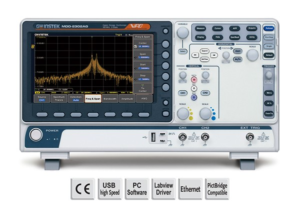
A voltage reading tells you a number. An oscilloscope tells you a story. Where a multimeter gives you one static figure, a scope plots voltage against time, continuously, so you actually see how a signal behaves. That difference matters more than most beginners realise. A motor might show a normal average current on a multimeter and still be throwing a nasty voltage spike every few milliseconds. A multimeter won’t catch that. A scope will show it plainly, right there on
Understanding electrical rules helps keep people safe in their homes and workplaces. In Auckland, these rules are part of New Zealand law and make sure that electrical work is done properly. Electricity can be dangerous if it is not handled correctly. That is why there are codes that explain how wiring, switches, sockets and electrical gear should be installed and tested. If you are buying electrical supplies in Auckland or planning work in your home, you need to know how
Electrical safety is more important than ever, especially in homes, workplaces, and industrial settings. Faulty insulation in wiring can lead to shocks, short circuits, or even fires. That is why insulation resistance testing is essential. It helps identify weak or damaged insulation before any serious accidents occur. In New Zealand, electricians and building managers rely on proper testing to make sure installations are safe and compliant. Using the right procedures, tools, and quality electrical supplies in Auckland ensures circuits are correctly
Share:
Frequently Asked Questions
It is the practice of regularly inspecting and testing electrical systems to find and fix issues before they fail.
The schedule depends on usage and risk. Critical systems may need weekly or monthly checks, while others may be checked less often.
Yes. Tools like a voltage tester, clamp meter, and insulation resistance tester help you test performance accurately.
No. Visual checks are important, but testing with proper tools finds issues you cannot see.
In many workplaces, it is part of safety standards. Regular checks help meet health and safety obligations and protect people and equipment.
Stay in the loop for our new SPARKvue for Teachers Training Course launch!
Stay in the loop for our new Introduction to High Voltage Course launch!
Stay in the loop for our new UPS Installation & Commissioning Course launch!