Have you ever looked around your workplace and wondered how many electrical items are plugged in every day? From office computers to warehouse machinery, businesses rely heavily on electrical equipment to keep things running smoothly. But when was the last time those items were actually checked for safety?
Electrical faults can happen quietly without obvious warning signs. A damaged cable, faulty appliance, or overloaded device can become a safety risk for staff and customers.
In this blog, we will explain what test and tag means, how often businesses in New Zealand may need it, and why regular electrical safety checks are important.
What Is Test And Tag In NZ?
Test and tag is the process of checking electrical equipment to make sure it is safe to use. This usually involves inspecting appliances, testing electrical performance, and attaching a label that shows when the item was checked.
Businesses use many types of electrical devices every day. These may include computers, printers, tools, kitchen appliances, chargers, and machinery. Over time, normal wear and tear can damage electrical cords or internal components without people noticing.
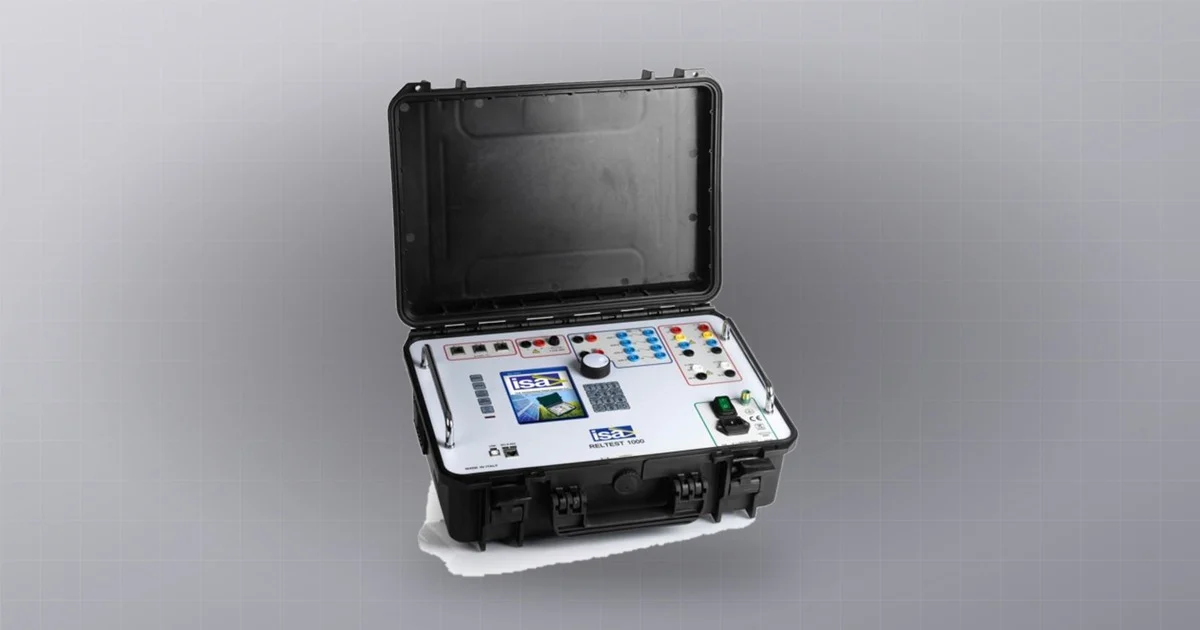
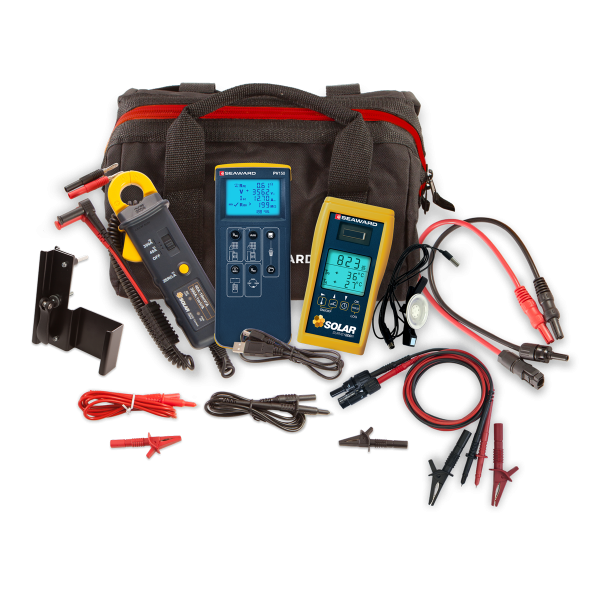
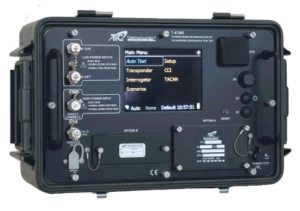
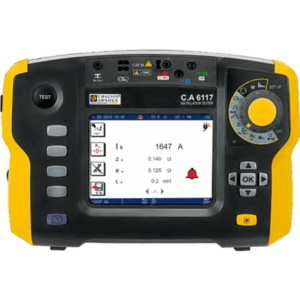
During testing, technicians often use specialised electrical testing equipment to check whether devices are working safely. This helps identify problems before they become dangerous.
The process may include:
Visual inspections
Electrical safety testing
Recording test results
Labelling tested equipment
Checking damaged cables or plugs
Some businesses also use devices like a battery tester to check backup systems and portable equipment that rely on rechargeable power sources.
Test and tag is commonly used in offices, workshops, warehouses, schools, retail stores, and construction sites throughout New Zealand.
How Often Does Test And Tag Need To Be Done?
The frequency of test and tag depends on the type of workplace and how the equipment is used. Some businesses only need annual testing, while higher-risk environments may require checks every few months.
Workplaces with heavy equipment, dust, moisture, or constant movement usually need more frequent testing because the risk of damage is higher. Office environments with low-risk equipment may require less frequent inspections.
Low Risk Office Environments
Offices are usually considered lower-risk workplaces because most equipment remains stationary and is used in clean indoor environments. Computers, monitors, and printers generally experience less physical stress compared to construction tools or factory machinery.
Many office environments may schedule testing every one to five years, depending on company policy and risk assessments. However, damaged cords or faulty devices should still be checked immediately.Some offices also use devices like power meters to monitor electrical usage and maintain equipment efficiency.
Construction And Industrial Sites
Construction sites are considered high risk because electrical tools are exposed to dust, movement, weather, and rough handling. Cables can easily become damaged in these environments.
Because of these risks, testing may be required much more frequently. Some tools may need inspection every few months, depending on site conditions and usage levels.
Common equipment checked on construction sites includes:
Power tools
Extension leads
Portable lighting
Chargers
Site machinery
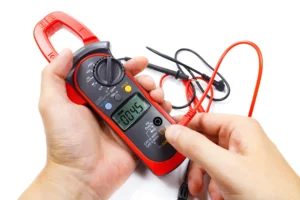
Technicians may also use a clamp meter to measure electrical current safely during inspections.
Workshops And Factories
Factories and workshops often use machinery that operates for long hours each day. Continuous use increases wear on cables, plugs, and electrical components.
Businesses in these environments usually require more regular inspections to reduce downtime and improve workplace safety. Equipment exposed to heat, dust, oils, or vibration may wear out faster than expected.
Some technicians also use tools like a thermal imaging camera to identify overheating electrical components before failures happen.
Hospitality And Retail Businesses
Restaurants, cafes, and retail stores also rely heavily on electrical appliances. Kitchen equipment, coffee machines, refrigerators, and display systems are often used continuously throughout the day.
These businesses may require regular testing because equipment is exposed to heat, moisture, and constant use. Damaged appliances in customer areas can also create safety concerns.
Hospitality businesses often test:
Kitchen appliances
Refrigeration units
EFTPOS systems
Display equipment
Portable heaters or fans
Regular inspections help reduce unexpected breakdowns during busy operating hours.
Schools And Educational Facilities
Schools, universities, and training centres use a large number of electrical devices daily. Classrooms, laboratories, and offices all contain equipment that students and staff interact with regularly.
Educational facilities may test computers, projectors, extension leads, and even specialised science equipment used in laboratories or workshops.
Keeping electrical devices safe is especially important in environments where many people use shared equipment every day.
Why Test And Tag Matters For Businesses
Test and tag is not only about following safety procedures. It also helps businesses reduce risks, avoid disruptions, and maintain safer workplaces for staff and customers.
Reduces Electrical Safety Risks
Damaged electrical appliances can increase the risk of electric shock, overheating, or fire. Some faults are hidden internally and may not be visible from the outside.
Regular testing helps identify these problems early before they become dangerous. Businesses that maintain electrical safety often reduce workplace accidents significantly.
Helps Prevent Equipment Failure
Unexpected equipment failures can interrupt daily operations and create expensive downtime. Faulty equipment may also damage connected systems or other devices nearby.
Testing allows businesses to identify worn or failing equipment before it stops working completely. This helps companies plan repairs or replacements more effectively.
Supports Workplace Compliance
Many New Zealand businesses follow workplace safety policies that include electrical inspections. Maintaining proper records also helps demonstrate that safety procedures are being taken seriously.
A proper PAT test program can help businesses organise electrical safety checks more consistently across different departments or sites.
Good record keeping also makes it easier to track testing schedules and identify recurring equipment problems.
Improves Staff Confidence
Employees usually feel more comfortable working in environments where equipment is maintained properly. Safe workplaces help reduce stress and improve overall confidence in daily operations.
Staff are more likely to report damaged equipment when businesses actively promote workplace safety practices.
Important For Backup Power Systems
Some businesses rely heavily on backup systems to protect important equipment during power outages. This includes servers, communication systems, and emergency lighting.
Equipment such as UPS batteries should also be checked regularly because backup power failures can create major disruptions during emergencies.
Reliable backup systems are especially important for healthcare, IT, and security-related businesses.
Supports Modern Electrical Infrastructure
Modern businesses now use more advanced electrical systems than ever before. Charging stations, monitoring systems, and automated equipment all require regular maintenance and inspection.
For example, workplaces with an EV charger should ensure the equipment is operating safely and efficiently, especially in commercial car parks or fleet environments.
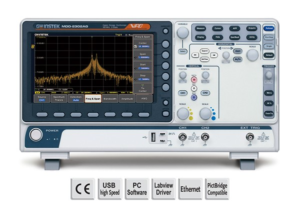
Some larger facilities may also use specialised tools like spectrum analysers and a cable locator when inspecting complex electrical systems and underground wiring.
As businesses continue adopting new technology, electrical safety becomes even more important.
Common Signs Equipment May Need Testing
Businesses should not wait until the equipment completely fails before arranging inspections. There are often warning signs that indicate electrical items may need attention.
Common signs include:
Frayed or damaged cables
Loose plugs
Burn marks
Flickering power
Overheating devices
Strange smells from the equipment
Employees should report these issues immediately rather than continuing to use damaged equipment.
Conclusion
Electrical safety is an important part of running any business in New Zealand. The frequency of test and tag depends on the work environment, the type of equipment used, and the level of risk involved. Regular inspections help reduce safety hazards, improve equipment reliability, and support safer workplaces for everyone.
At Electrotest, we help businesses manage electrical safety with reliable testing solutions and professional support. We understand that every workplace has different requirements, and our team works to help businesses stay safe, organised, and compliant with their testing needs. Contact us today!
Ask any electrician what they’d grab first to check current on a live circuit, and nine times out of ten they will point to the clamp meter hanging off their belt. The versatility of this device is what makes it popular. With a clamp meter, you can measure amps without cutting into a wire, and without shutting anything down; that’s the whole appeal, and it’s why the gadget has become standard kit across electrical work, HVAC, automotive diagnostics, and industrial
A voltage reading tells you a number. An oscilloscope tells you a story. Where a multimeter gives you one static figure, a scope plots voltage against time, continuously, so you actually see how a signal behaves. That difference matters more than most beginners realise. A motor might show a normal average current on a multimeter and still be throwing a nasty voltage spike every few milliseconds. A multimeter won’t catch that. A scope will show it plainly, right there on
Understanding electrical rules helps keep people safe in their homes and workplaces. In Auckland, these rules are part of New Zealand law and make sure that electrical work is done properly. Electricity can be dangerous if it is not handled correctly. That is why there are codes that explain how wiring, switches, sockets and electrical gear should be installed and tested. If you are buying electrical supplies in Auckland or planning work in your home, you need to know how
Electrical safety is more important than ever, especially in homes, workplaces, and industrial settings. Faulty insulation in wiring can lead to shocks, short circuits, or even fires. That is why insulation resistance testing is essential. It helps identify weak or damaged insulation before any serious accidents occur. In New Zealand, electricians and building managers rely on proper testing to make sure installations are safe and compliant. Using the right procedures, tools, and quality electrical supplies in Auckland ensures circuits are correctly
Share:
Frequently Asked Questions
Test and tag is used to check whether electrical equipment is safe to use. The process includes visual inspections, electrical testing, and labelling equipment after inspection. It helps businesses identify damaged or faulty appliances before they become dangerous.
New Zealand businesses are expected to maintain safe workplaces, which includes electrical safety. While testing schedules may vary depending on risk levels, many businesses use regular test and tag programs as part of their safety procedures.
Office equipment usually requires less frequent testing because it operates in lower-risk environments. Depending on workplace conditions and company policies, testing may happen every one to five years. Damaged equipment should always be inspected immediately.
Common items include computers, printers, power tools, extension leads, kitchen appliances, chargers, and portable electrical devices. Any equipment connected to electricity may require inspection over time.
Test and tag services are usually carried out by trained professionals who understand electrical safety procedures and testing equipment. Businesses should always use qualified providers to ensure inspections are completed properly and safely.
Stay in the loop for our new SPARKvue for Teachers Training Course launch!
Stay in the loop for our new Introduction to High Voltage Course launch!
Stay in the loop for our new UPS Installation & Commissioning Course launch!