If you are just starting in the world of DIY electrical work or beginning your apprenticeship, you will quickly learn that having the right tools makes a huge difference. Electrical test equipment is not just for seasoned electricians… it is also essential for anyone who wants to work safely and get reliable results.
This guide has been put together especially with New Zealand DIYers and apprentices in mind. We will go through the most important test tools you should know about, why they matter, and how they can help you learn faster while staying safe.
Think of this as your starter kit for electrical testing… the foundation before you move on to the more advanced gear.
Why Basic Electrical Testing is Important
Before we dive into the actual tools, let us pause for a moment and understand why testing is so important. Some people see test equipment as optional extras, but the truth is, they are absolutely vital. Without them, you are working in the dark, and when electricity is involved, that can be dangerous.
Here are five key reasons why basic electrical testing matters:
Safety: The number one reason is, of course, your safety. Electricity is invisible, so you cannot always tell if a wire or outlet is live just by looking at it. Testing equipment gives you a clear answer, keeping you safe from shocks or worse.
Accuracy: Guesswork has no place in electrical work. Whether you are measuring voltage or checking continuity, or carrying out a power utility test on larger systems, test equipment gives you accurate readings. This accuracy helps you solve problems correctly and prevents costly mistakes.
Confidence: Picture this: you’re fixing a switch, second-guessing every step. Stressful, right? Good tools confirm what’s really happening. Confidence builds fast once you can prove things are wired the way they should be.
Learning: Using test equipment is also one of the best ways to learn. When you measure voltage or check a circuit, you are seeing theory in action. It brings your textbook lessons to life and makes them easier to understand.
Efficiency: Time is precious. The right tester cuts hours of “maybe it’s this, maybe it’s that.” DIYers waste less time, and apprentices impress mentors by solving things quickly. Win-win.
Must-Have Electrical Test Equipment
Alright, let’s get into the gear you actually need. These aren’t toys… these are your day-to-day lifesavers.
Multimeter
If there is one tool you absolutely cannot do without, it is the multimeter. A multimeter measures voltage, current, and resistance. In simple terms, it tells you how electricity is flowing in a circuit.
There are two types: digital and analogue. Digital multimeters are more common today because they are easy to read and very accurate. Analogues are still around, and some people prefer them for certain jobs, but most beginners will find a digital version easier to use.
Practical uses include checking batteries, testing wall outlets, and diagnosing problems in appliances. You can also use a dedicated battery tester if you want a quick way to check the health of household batteries without needing a full multimeter.
As you gain experience, you will find yourself reaching for your multimeter almost every day.
Voltage Tester (Non-Contact Tester)
Need a yes/no answer fast? Is this live or not? That’s exactly what this does. No touching wires, no sparks, just hold it close. Light flashes, maybe a beep, and boom… you’ve got your answer.
It’s the simplest tool, but a lifesaver. Perfect for quick home jobs, and apprentices love them for fast checks without pulling everything apart.
Continuity Tester
This little gadget tells you if electricity can flow between two points. Super handy for finding breaks in wiring, testing fuses, or confirming a switch isn’t secretly dead.
Think of it like detective work. Lamp not working? A continuity tester can point to the guilty part in seconds. Small tool, big help.
Clamp Meter
With a clamp meter, you don’t even disconnect wires… You just clamp it on, and it shows you how much current is flowing.
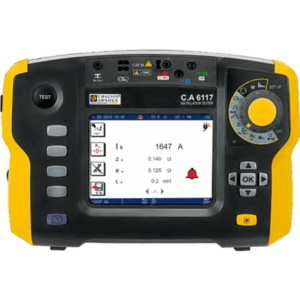
It’s especially handy when you’re dealing with bigger gear: appliances, installations, switchboards. It’s like levelling up from the multimeter once you start working on more complex systems.
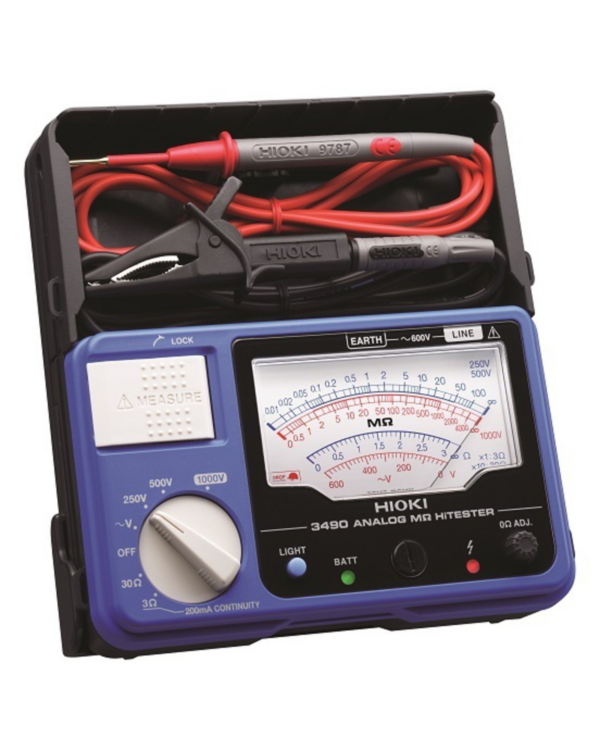
Insulation Resistance Tester (Megger)
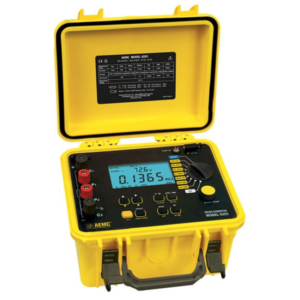
This one’s pro territory. It checks if the re-insulation is holding up or if it’s failing and could cause leaks or fires.
DIYers don’t usually keep one at home, but apprentices? You’ll see insulation resistance tools soon enough on-site. Better to know it exists now than be caught off guard later.
Supporting Tools and Accessories
Sometimes the “boring” extras make all the difference.
Test leads and probes: Bad ones give false readings. Get decent ones.
Alligator clips: Clip it, let go, work hands-free. Genius.
Tool bag/organiser: Saves your gear from being tossed in a drawer. Protects delicate equipment, too.
Choosing the Right Tools in NZ
When it comes to buying your test equipment, there are a few things to keep in mind.
Accuracy and reliability matter. Cheap knock-offs can fail when you need them most.
Safety ratings should meet NZ or international standards. No shortcuts here.
Durability counts, especially if your gear’s getting lugged from job to job.
Tips for Beginners and Apprentices
A couple of quick hacks before you dive in:
Start small. Build your kit bit by bit.
Practise on low voltage first. No need to fry your confidence.
Read the manuals. Yes, even the boring bits. Tools often have hidden features.
Electrical test equipment isn’t just a bunch of gadgets. It’s the foundation of safe, smart, and effective work. Start simple, buy quality, and remember… every test you run builds skill and confidence.
Ready to get kitted out? Electrotest has a solid range trusted by both pros and apprentices. Want help choosing? Just contact us and explore the gear that’ll set you up for success.
Frequently Asked Questions
1. What is the most important electrical test tool for beginners?
A digital multimeter tops the list. Measures voltage, current, resistance… does it all. Bonus: many suppliers offer services & repairs for multimeters, so yours can last for years.
2. Do I need professional-grade equipment as a DIYer?
Not right away. Start with a multimeter and voltage tester, then upgrade as you grow. Still unsure? Easy… just contact us for advice before you buy.
3. Where can I buy reliable electrical test equipment in New Zealand?
Check Mitre 10, Bunnings, or specialist suppliers. Or skip the hunt and shop with Electrotest, who ship gear straight to your door with fast shipping NZ-wide.
4. How often should I replace or calibrate my test equipment?
DIY tools can last for years with care. Apprentices and pros? You’ll need regular calibration, especially for insulation testers.
5. Are there any safety rules I should follow when using electrical test tools?
Absolutely. Always test your gear on a known live source before and after use. Wear protection when needed. And never work on live circuits unless trained.
A voltage reading tells you a number. An oscilloscope tells you a story. Where a multimeter gives you one static figure, a scope plots voltage against time, continuously, so you actually see how a signal behaves. That difference matters more than most beginners realise. A motor might show a normal average current on a multimeter and still be throwing a nasty voltage spike every few milliseconds. A multimeter won’t catch that. A scope will show it plainly, right there on
Understanding electrical rules helps keep people safe in their homes and workplaces. In Auckland, these rules are part of New Zealand law and make sure that electrical work is done properly. Electricity can be dangerous if it is not handled correctly. That is why there are codes that explain how wiring, switches, sockets and electrical gear should be installed and tested. If you are buying electrical supplies in Auckland or planning work in your home, you need to know how
Electrical safety is more important than ever, especially in homes, workplaces, and industrial settings. Faulty insulation in wiring can lead to shocks, short circuits, or even fires. That is why insulation resistance testing is essential. It helps identify weak or damaged insulation before any serious accidents occur. In New Zealand, electricians and building managers rely on proper testing to make sure installations are safe and compliant. Using the right procedures, tools, and quality electrical supplies in Auckland ensures circuits are correctly
Electrical work can be dangerous if it is not done safely. Without proper safety compliance, there could be shocks, fires, equipment damage, or even serious injury. Faulty wiring or damaged appliances can start accidents that are costly and dangerous. In this blog, we will explain electrical safety compliance in New Zealand so you can handle advanced electrical equipment. We will cover the rules, standards, requirements, and best practices that help keep people and property safe. By the end, you will
Share:
Stay in the loop for our new SPARKvue for Teachers Training Course launch!
Stay in the loop for our new Introduction to High Voltage Course launch!
Stay in the loop for our new UPS Installation & Commissioning Course launch!