Electrical safety is something every electrician takes seriously. Whether working in homes, offices, factories, or construction sites, protecting people from electrical hazards is always a top priority. One of the most important safety devices used in modern electrical installations is the Residual Current Device, commonly known as an RCD.
RCD testing helps ensure these devices will work when needed. If an electrical fault occurs, an RCD can disconnect power quickly and help reduce the risk of electric shock. For electricians in New Zealand, understanding how RCD testing works, how often it should be performed, and what compliance requirements apply is an important part of maintaining safe electrical systems.
What Is RCD Testing?
RCD testing is the process of checking whether a Residual Current Device operates correctly when a fault occurs. The test confirms that the device can detect leakage current and disconnect power within the required time.
An RCD continuously monitors the electrical current flowing through a circuit. If it detects an imbalance between the active and neutral conductors, it assumes electricity may be flowing somewhere unsafe. This could happen because of damaged wiring, faulty equipment, or contact with a person.
When this occurs, the device’s response can be verified through RCD testing. NZ electricians perform these tests to confirm that the RCD trips correctly and disconnects power quickly enough to help prevent serious injury.
RCD Testing Process
Testing an RCD involves several steps. Electricians use specific procedures and specialised tools to verify that the device is functioning correctly and meets performance requirements.
Visual Inspection
Before any testing begins, the electrician performs a visual inspection of the RCD and the surrounding installation.
This helps identify obvious issues such as damage, loose connections, signs of overheating, or incorrect installation. A visual check can often reveal problems that require attention before testing proceeds.
Items commonly checked include:
Physical condition of the RCD
Labelling and identification
Wiring condition
Signs of wear or damage
Manual Push Button Test
Most RCDs include a built-in test button. Pressing this button creates a simulated fault and causes the device to trip.
This simple test confirms that the tripping mechanism is working. While useful, it does not replace professional testing because it does not measure trip times or verify full performance.
Regular push-button testing is often recommended between formal inspections.
Connecting Test Equipment
Once the basic checks are completed, electricians connect specialised testing devices to the circuit.
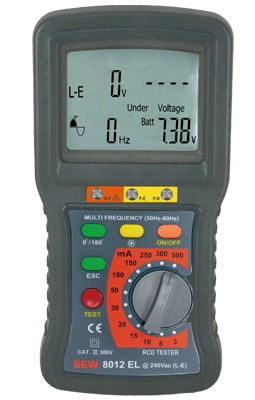
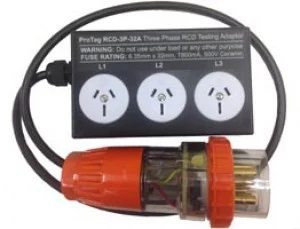
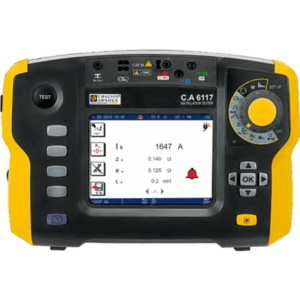
Professional electrical testing equipment is used to measure how quickly and accurately the RCD responds under controlled conditions. The equipment simulates fault currents and records the results for assessment.
Measuring Trip Times
Trip time testing is one of the most important parts of the process.
The test instrument introduces a controlled fault current and measures how long the RCD takes to disconnect power. If the device operates too slowly, it may not provide adequate protection during a real fault.
Results are compared against applicable standards and manufacturer requirements.
Verifying Trip Current
Electricians also verify the amount of leakage current required to activate the RCD.
This ensures the device trips within the correct operating range and provides the intended level of protection.
The testing process may include:
Half-rated current tests
Fully rated current tests
Multiple trip measurements
Recording performance results
Recording Results
Once testing is complete, results are documented and reviewed.
Accurate records help demonstrate compliance and provide valuable information for future inspections. Many electricians store results electronically for easy reference and reporting.
Things To Know About RCD Testing
RCD testing involves more than simply pressing a test button. Electricians need to understand compliance obligations, testing frequency, documentation requirements, and the limitations of RCD protection.
Compliance Requirements
Electrical installations in New Zealand must comply with relevant electrical safety standards and regulations. RCD testing forms part of ensuring electrical systems remain safe throughout their service life.
Compliance requirements may vary depending on the type of installation, workplace environment, and equipment being used. Electricians should always follow current regulations and industry guidance.
Important compliance considerations include:
Proper installation
Routine testing
Accurate documentation
Correct maintenance procedures
Testing Frequency
One of the most common questions is how often RCDs should be tested.
The answer depends on the environment and the level of risk. Construction sites, workshops, and industrial facilities may require more frequent testing than residential properties. Regular testing helps ensure devices continue operating correctly as they age.
Electricians should refer to workplace requirements, site policies, and applicable standards when determining testing intervals.
Different Types Of RCDs
Not all RCDs are the same. Different models are designed for different applications and levels of protection.
Some RCDs protect individual circuits, while others protect entire switchboards. Understanding the type of device being tested helps ensure the correct procedures are followed.
Different installations may contain:
Fixed RCDs
Portable RCDs
Socket outlet RCDs
Switchboard-mounted RCDs
Documentation Matters
Proper record keeping is an important part of electrical safety management.
Testing records provide evidence that inspections have been completed and that devices were operating correctly at the time of testing. Documentation can also assist during audits, maintenance planning, and fault investigations.
Many electricians now use digital reporting systems to simplify record management.
RCDs Do Not Replace Safe Work Practices
Although RCDs provide valuable protection, they are not a substitute for safe electrical work practices.
Electricians must still follow established safety procedures, use appropriate personal protective equipment, and conduct proper inspections. An RCD should be viewed as one layer of protection rather than the only safeguard.
Other useful tools often used alongside RCD testing include a clamp meter, insulation resistance tester, and power meters when assessing overall electrical system performance.
Modern Testing Technology Is Improving
Testing technology continues to evolve and provide better accuracy and efficiency.
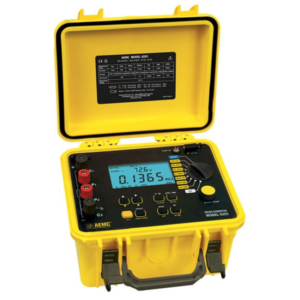
Many electricians now use advanced tools that allow faster diagnostics and more detailed reporting. Devices such as a thermal imaging camera can help identify overheating connections before they become serious problems. A micro ohm meter may be used when assessing low resistance connections, while systems such as ground test equipment assist with earthing verification.
Other specialised tools, including a battery tester, may be used when inspecting backup power systems, while environmental monitoring systems can help assess conditions that may affect electrical equipment performance.
In some workplaces, RCD inspections form part of broader safety programmes that also include PAT test procedures and routine equipment verification. Many electricians source these tools from suppliers that provide professional electrical supplies in Auckland and throughout New Zealand.
Conclusion
RCD testing plays an important role in electrical safety across New Zealand. Regular testing helps ensure protective devices operate correctly, supports compliance requirements, and reduces the risk of electrical incidents.
Understanding testing procedures, frequency requirements, and proper documentation allows electricians to maintain safer electrical systems and provide greater confidence for their clients.
At Electrotest, we provide a wide range of testing solutions and equipment to support electrical professionals throughout New Zealand. Whether you need advice on testing tools or reliable products for your next project, our team is here to help. Contact us to learn more about our range and how we can support your testing requirements.
A voltage reading tells you a number. An oscilloscope tells you a story. Where a multimeter gives you one static figure, a scope plots voltage against time, continuously, so you actually see how a signal behaves. That difference matters more than most beginners realise. A motor might show a normal average current on a multimeter and still be throwing a nasty voltage spike every few milliseconds. A multimeter won’t catch that. A scope will show it plainly, right there on
Understanding electrical rules helps keep people safe in their homes and workplaces. In Auckland, these rules are part of New Zealand law and make sure that electrical work is done properly. Electricity can be dangerous if it is not handled correctly. That is why there are codes that explain how wiring, switches, sockets and electrical gear should be installed and tested. If you are buying electrical supplies in Auckland or planning work in your home, you need to know how
Electrical safety is more important than ever, especially in homes, workplaces, and industrial settings. Faulty insulation in wiring can lead to shocks, short circuits, or even fires. That is why insulation resistance testing is essential. It helps identify weak or damaged insulation before any serious accidents occur. In New Zealand, electricians and building managers rely on proper testing to make sure installations are safe and compliant. Using the right procedures, tools, and quality electrical supplies in Auckland ensures circuits are correctly
Electrical work can be dangerous if it is not done safely. Without proper safety compliance, there could be shocks, fires, equipment damage, or even serious injury. Faulty wiring or damaged appliances can start accidents that are costly and dangerous. In this blog, we will explain electrical safety compliance in New Zealand so you can handle advanced electrical equipment. We will cover the rules, standards, requirements, and best practices that help keep people and property safe. By the end, you will
Share:
Frequently Asked Questions
An RCD monitors electrical current and disconnects power when it detects a fault or leakage current that could create a safety risk.
Testing frequency depends on the environment and the type of installation. Higher-risk workplaces often require more frequent testing than residential properties.
Yes. The test button provides a simple functional check. However, professional testing is still needed to verify trip times and overall performance.
Professional testing measures whether the RCD trips within the required time and operates within its designed specifications. This provides a more complete assessment than a manual button test.
If an RCD fails inspection or testing, it should be investigated and repaired or replaced as required. A faulty RCD may not provide adequate protection during an electrical fault.
Stay in the loop for our new SPARKvue for Teachers Training Course launch!
Stay in the loop for our new Introduction to High Voltage Course launch!
Stay in the loop for our new UPS Installation & Commissioning Course launch!