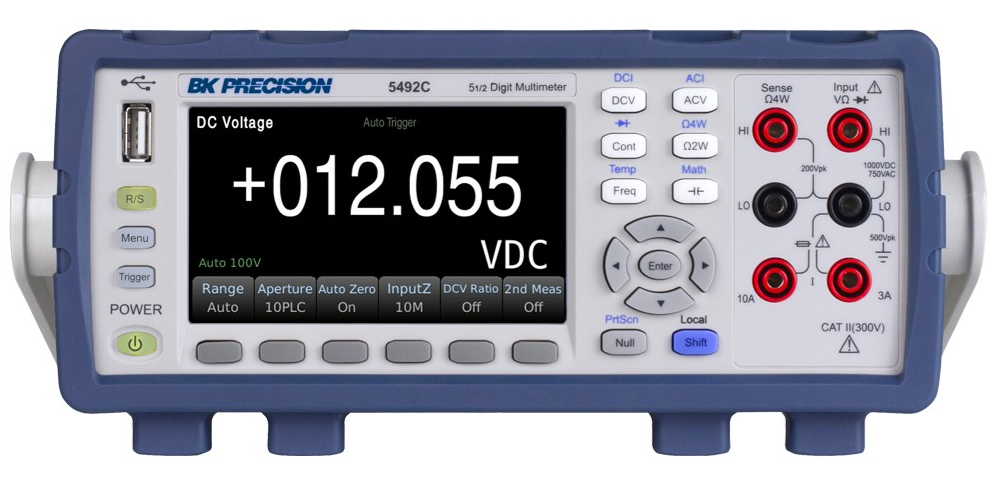
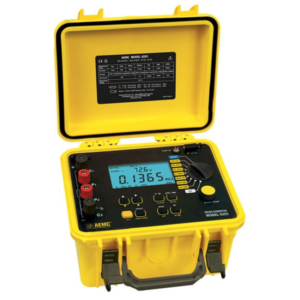
Measuring voltage is an essential task for electricians, engineers, and even hobbyists working with electrical systems. A multimeter is one of the most versatile tools for this, allowing you to check voltage, current, and resistance in circuits. Learning how to use it correctly can save time and prevent mistakes.
In New Zealand, electricians rely on accurate readings from multimeters and other electrical testing equipment to ensure installations are safe. Whether you are testing household wiring, industrial circuits, or batteries, understanding voltage testing principles is critical.
In this guide, we’ll cover what a multimeter is, how it works, safety tips, and practical advice for effective voltage testing.
What Is a Multimeter?
A multimeter is an instrument designed to measure multiple electrical properties. It can measure voltage, current, and resistance, often in one compact unit. Modern multimeters can be digital or analogue, with digital devices being the most popular in NZ due to their accuracy and ease of use.
Multimeters are widely used by electricians, technicians, and DIY enthusiasts for diagnosing electrical issues and confirming the health of circuits. Using a multimeter in NZ requires knowledge of local electrical standards and safety practices.
Key Features of a Multimeter:
Voltage Measurement: AC and DC voltage readings help verify power supply and circuit functionality.
Current Measurement: Allows testing of current flow in circuits without disconnecting components.
Resistance Measurement: Identifies broken circuits or faulty components by measuring resistance.
Continuity Test: Detects if a circuit is complete, making troubleshooting easier.
Diode Test: Verifies diode functionality in electronic circuits.
How Does a Multimeter Work?
A multimeter works by connecting its probes to a circuit. For voltage measurements, the device detects the potential difference between two points. Digital multimeters convert this into a numeric reading displayed on a screen. Analogue multimeters use a needle to show the measurement.
Multimeters contain a combination of internal resistors and circuitry to measure electrical quantities safely. When set to voltage mode, the internal resistance is very high to prevent current from altering the reading. This ensures accurate measurement without affecting the circuit.
Benefits of Using a Multimeter
Using a multimeter correctly can save time, reduce errors, and improve safety when working with electrical systems.
Accurate Readings: Provides precise measurements of voltage, current, and resistance for reliable troubleshooting.
Versatility: Can be used with various circuits, from batteries to mains power, making it an essential tool.
Safety: Helps detect faults before working on live circuits, reducing the risk of shock.
Cost-Effective: Replaces multiple single-function tools, saving space and expense.
Professional Compliance: Supports electricians in NZ in following standards and documenting tests.
How To Use a Multimeter to Check Voltage
Safety is the most important factor when using a multimeter to check voltage. Follow these steps and precautions to avoid injury and prevent damage to your equipment.
1. Choose The Right Multimeter
Select a multimeter that suits the voltage range of your circuit. Make sure it is certified for safety and suitable for the type of work you are doing. For industrial or high-voltage applications, only use multimeters rated for that environment.
2. Inspect The Equipment
Before starting, examine the multimeter, probes, and leads for any damage. Look for cracked insulation, exposed wires, or worn connectors. Replace any damaged parts immediately to reduce the risk of electric shock.
3. Set The Correct Function And Range
Turn the multimeter dial to the voltage setting and choose AC or DC depending on your circuit. Selecting the wrong function can give inaccurate readings or, in some cases, damage the device.
4. Connect Probes Properly
Insert the black probe into the common (COM) port and the red probe into the voltage port. Make sure the probe tips make secure contact with the points being tested. Always hold probes behind the insulated grips to protect your hands.
5. Observe Polarity
For DC voltage, connect the red probe to the positive terminal and the black probe to the negative terminal. While most digital multimeters will not be damaged by reversed polarity, incorrect placement can affect the accuracy of your readings.
6. Take The Reading Carefully
View the measurement on the multimeter display without touching live components. For AC circuits, be aware that voltage levels can fluctuate. Keep your body and hands clear of exposed conductors while reading.
7. Disconnect And Store Safely
When testing is complete, remove the probes and switch off the multimeter. Store the multimeter and accessories in a protective case to prevent damage and maintain reliability.
Tips For Testing Multimeter Voltage
These tips help you get reliable results and protect both yourself and the equipment.
Check Battery Health: A low battery can affect readings; use a battery tester to ensure proper function.
Use High-Quality Leads: Damaged or low-quality leads reduce accuracy and can be dangerous.
Avoid Wet Conditions: Moisture can create hazards and affect measurements.
Double-Check Range Settings: Using the correct voltage range prevents overload or inaccurate readings.
Record Readings: Keeping notes or using a multimeter with data logging can help track issues.
Use Complementary Equipment: Tools like a clamp meter, power meters, cable locator, or insulation resistance tester can support thorough testing and diagnostics.
Conclusion
Multimeter voltage testing is essential for safe and effective electrical work. Understanding how a multimeter works, following proper safety steps, and using complementary electrical testing equipment ensure reliable results and reduce risk.
If you are an electrician or DIY enthusiast in New Zealand, investing in quality tools like a multimeter in NZ and other electrical supplies in Auckland can improve your work.
At Electrotest, we provide a wide range of electrical testing equipment, including clamp meters, battery testers, and environmental monitoring devices. Contact us to find the right tools for your electrical projects and ensure safe, accurate measurements every time.
A voltage reading tells you a number. An oscilloscope tells you a story. Where a multimeter gives you one static figure, a scope plots voltage against time, continuously, so you actually see how a signal behaves. That difference matters more than most beginners realise. A motor might show a normal average current on a multimeter and still be throwing a nasty voltage spike every few milliseconds. A multimeter won’t catch that. A scope will show it plainly, right there on
Understanding electrical rules helps keep people safe in their homes and workplaces. In Auckland, these rules are part of New Zealand law and make sure that electrical work is done properly. Electricity can be dangerous if it is not handled correctly. That is why there are codes that explain how wiring, switches, sockets and electrical gear should be installed and tested. If you are buying electrical supplies in Auckland or planning work in your home, you need to know how
Electrical safety is more important than ever, especially in homes, workplaces, and industrial settings. Faulty insulation in wiring can lead to shocks, short circuits, or even fires. That is why insulation resistance testing is essential. It helps identify weak or damaged insulation before any serious accidents occur. In New Zealand, electricians and building managers rely on proper testing to make sure installations are safe and compliant. Using the right procedures, tools, and quality electrical supplies in Auckland ensures circuits are correctly
Electrical work can be dangerous if it is not done safely. Without proper safety compliance, there could be shocks, fires, equipment damage, or even serious injury. Faulty wiring or damaged appliances can start accidents that are costly and dangerous. In this blog, we will explain electrical safety compliance in New Zealand so you can handle advanced electrical equipment. We will cover the rules, standards, requirements, and best practices that help keep people and property safe. By the end, you will
Share:
Stay in the loop for our new SPARKvue for Teachers Training Course launch!
Stay in the loop for our new Introduction to High Voltage Course launch!
Stay in the loop for our new UPS Installation & Commissioning Course launch!