Running a fleet in New Zealand is not easy. You deal with long drives, rough roads, cold mornings and weather that changes every five minutes. Because of that, the batteries in your vehicles work harder than you think. And when one battery fails, the whole fleet can feel it. Delays and tow trucks, and annoyed customers can stack up fast.
This is why having the right battery tester matters. It saves time and stress. It also helps you understand what is really going on inside the batteries before they fail on the road. And in this blog, we will go through how battery testers work, the types you can buy and how to pick the right one for your fleet.
What Are Battery Testers?
Battery testers are small tools that check the health of a vehicle battery. Most people think batteries only need attention when the car will not start. But a battery actually gives lots of small signs before it fails. A tester reads those signs and turns them into easy numbers.
Battery testers measure things like voltage and internal resistance. Some measure cold cranking amps. Some can check the charging system and the starting system. When you add all of these together, you get a good picture of whether a battery is still strong or close to giving up.
Why Use A Battery Tester?
Using a battery tester helps you avoid surprises. Here are some common reasons people use them.
Early warning: A tester helps you find weak batteries before they die, and this means you can replace them when it suits you rather than on the side of the road.
Saves money: Testing helps you stop replacing good batteries by mistake, and this keeps your fleet budget under control.
Better safety: A battery that fails in the middle of a drive can put the driver at risk, and testing reduces that chance.
Fewer breakdowns: Fleet vehicles stay on the road longer when you understand what the batteries are doing.
Helps diagnose charging issues: Some testers check the alternator and starter, and this helps you spot problems that are not caused by the battery itself.
Reliable fleet planning: Knowing battery health helps you plan service schedules and avoid downtime.
Types Of Battery Testers
There are different kinds of testers, and each one works in its own way.
Load Testers
A load tester applies a heavy load to the battery and checks how the voltage reacts. You can think of it like asking the battery to do a quick sprint. If the voltage drops too far, the battery is weak.
Most load testers are simple and easy to use. They do not give detailed numbers, but they show the general strength of a battery. These testers also work well on older or traditional lead-acid batteries.
A downside is that they pull a lot of power during testing. This means you should only use them on batteries that are already charged. And they are not always the best match for modern battery types like AGM or EFB.
Digital Conductance Testers
Conductance testers are more modern. Instead of pulling a heavy load, they send a small signal through the battery. They measure how easy it is for the signal to travel. The easier it flows, the stronger the battery.
These testers give fast results and clear numbers. Many fleets use them because they can test both old and new battery types without doing damage. They also work even if the battery is not fully charged.
Some high-end conductance testers also store reports and link to apps. This helps you track the health of several vehicles at once.
Multimeters
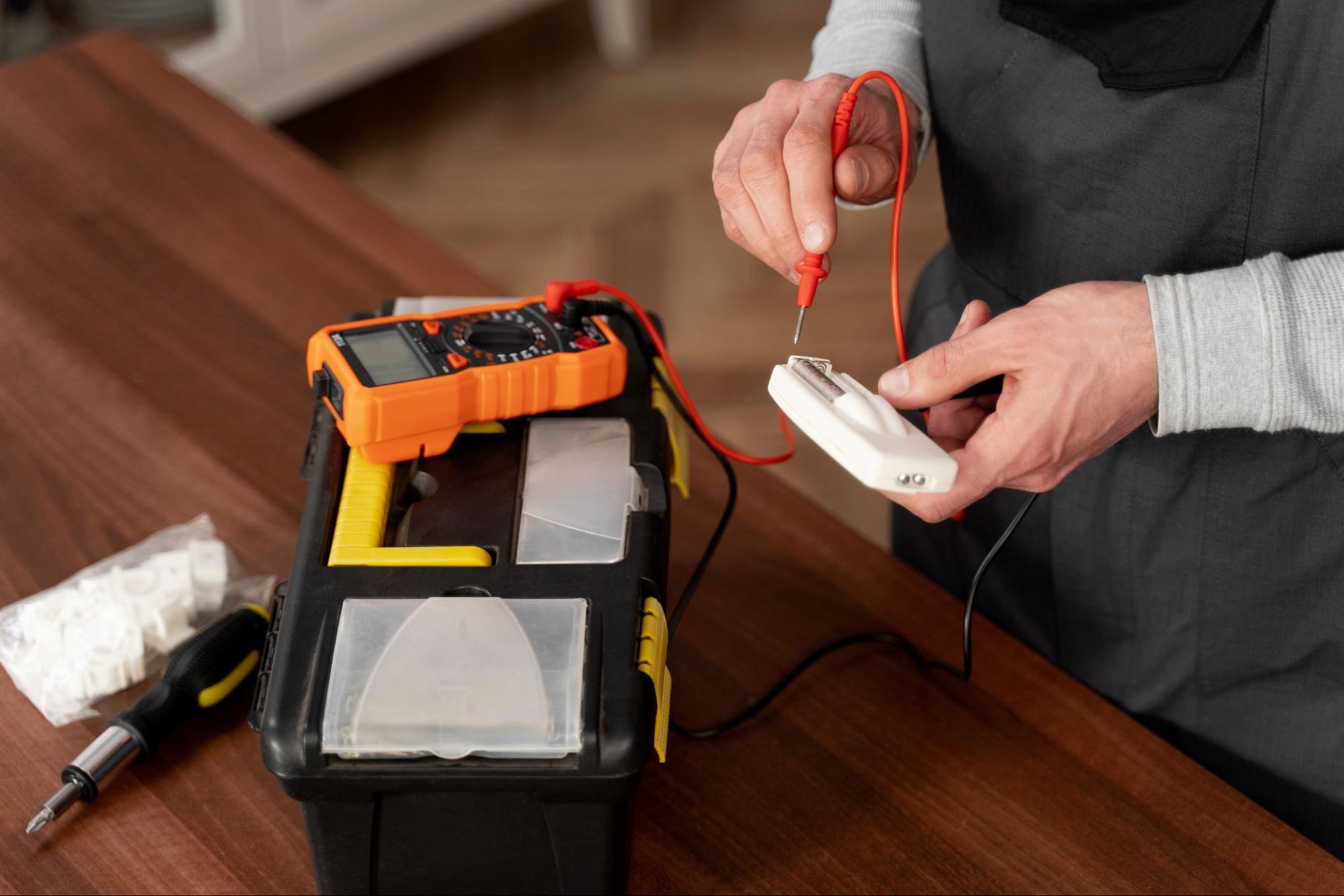
A multimeter is a basic electrical tool that measures voltage and resistance. It is not a full battery tester, but it can tell you the battery’s voltage level.
A multimeter is cheap and handy if you already know what you are looking for. But it does not give deeper information like cranking amps or internal resistance. That means it is limited for fleet use.
Combined System Testers
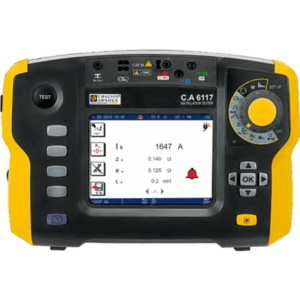
Some testers check the battery and also check the starting and charging systems. They look at how the battery behaves during cranking and how well the alternator is charging.
These testers help you see the whole picture. Sometimes a battery looks weak, but the real problem is a bad alternator. A combined tester helps you avoid guessing. They cost more, but fleets often find them worth it.
Portable App Connected Testers
These are small testers that connect to a phone app. They give quick results and store reports. Some even let you test multiple battery types with one tool.
They are great for teams that want something light and easy to carry. The app storage helps you track long-term battery health. The only thing to keep in mind is that they depend on your phone. If the app is slow or your battery is low, your workflow slows down too.
How To Choose The Right Battery Tester For Your Kiwi Fleet
Choosing a tester comes down to what your fleet needs. Here are the main things to think about.
Battery Types In Your Fleet
You need to know what batteries your vehicles use. Some fleets use only standard lead acid. Others have AGM or EFB batteries. Some trucks and vans use heavy-duty batteries.
Not all testers support all types. A load tester might not suit AGM batteries. A conductance tester usually works with many types. So take a quick look at the batteries you have. It makes choosing easier.
Fleet Size And Usage
A small fleet might need only one tester. A bigger fleet might need two or three. If your vehicles drive long distances, you might need a tester that gives fast results during routine checks.
Think about how often you test batteries. If you check them once a month, a simple tester is fine. If you test them every week or during every service, you might want something stronger and more advanced.
Skill Level Of Your Team
Some testers are simple to use, and anyone can learn them. Others ask for more electrical knowledge. Think about the people using the tool. If your team is busy, it helps to choose a tester who shows results in plain numbers and simple words.
Training takes time and money. So a tool that is easy to use can save you trouble later.
Testing Environment
New Zealand’s weather is unpredictable. One minute sunny. The next minute rain. Some testers work fine indoors but struggle outdoors. Some have screens that are hard to read in bright light. Some need power sources.
Think about where your team will use the tester. In a workshop. On a driveway. At a truck yard. Pick a tester that matches the place.
Features To Look For
It is helpful to know which features matter. Many testers advertise fancy extras, but you might not need them.
Look for clear screens. Fast test times. Support for multiple battery types. Reliable clamps. Strong cables. Easy menus. Good reports. And if you plan to test alternators, a tester that checks charging systems.
You do not need every feature. Just the ones that match your work.
Consider these two main features to look for:
Durability And Build Quality
Fleet tools get dropped. They get knocked around. They sit in toolboxes for months. So, build quality matters.
Look for testers with solid cases. Good grips. Rubber protection. And cables that will not crack in cold weather. New Zealand mornings can get cold, and flimsy cables stiffen up and break.
Budget And Value
A cheap tester can fail early. An expensive tester might have features you never use. The best choice is something in the middle. Something strong enough for your fleet but simple enough for your budget.
Think of it like buying boots. You do not buy the cheapest pair. You buy a pair that can handle long days without falling apart.
Conclusion
Choosing the right battery tester for your Kiwi fleet does not have to be hard. Once you understand the types of testers and what your fleet needs, the decision becomes simple. Good testing keeps your vehicles reliable and stops small battery issues from turning into big breakdowns.
Understanding electrical rules helps keep people safe in their homes and workplaces. In Auckland, these rules are part of New Zealand law and make sure that electrical work is done properly. Electricity can be dangerous if it is not handled correctly. That is why there are codes that explain how wiring, switches, sockets and electrical gear should be installed and tested. If you are buying electrical supplies in Auckland or planning work in your home, you need to know how
Electrical safety is more important than ever, especially in homes, workplaces, and industrial settings. Faulty insulation in wiring can lead to shocks, short circuits, or even fires. That is why insulation resistance testing is essential. It helps identify weak or damaged insulation before any serious accidents occur. In New Zealand, electricians and building managers rely on proper testing to make sure installations are safe and compliant. Using the right procedures, tools, and quality electrical supplies in Auckland ensures circuits are correctly
Electrical work can be dangerous if it is not done safely. Without proper safety compliance, there could be shocks, fires, equipment damage, or even serious injury. Faulty wiring or damaged appliances can start accidents that are costly and dangerous. In this blog, we will explain electrical safety compliance in New Zealand so you can handle advanced electrical equipment. We will cover the rules, standards, requirements, and best practices that help keep people and property safe. By the end, you will
Electrical systems are all around us. They power our homes, workplaces, machines, and tools. When these systems fail, work stops. The lights go out. Equipment breaks. That can cost time and money. Regular maintenance helps prevent these problems before they happen. It keeps systems running smoothly and can extend the life of equipment. In this guide, we will explain preventive electrical maintenance so you’ll know what to do to make electrical systems last longer and run better. What Is Electrical
Share:
Stay in the loop for our new SPARKvue for Teachers Training Course launch!
Stay in the loop for our new Introduction to High Voltage Course launch!
Stay in the loop for our new UPS Installation & Commissioning Course launch!