Are you confident that every electrical appliance in your workplace is safe to use? If you’re not sure, you’re not alone. Many New Zealand employers are aware that electrical safety is important, but are fuzzy on exactly what the rules require of them. That’s where PAT testing comes in, and knowing your obligations around it could save your business from a costly accident, a WorkSafe investigation, or worse.
In this guide, we’ll break down everything employers need to know about PAT testing in New Zealand: what it is, what the regulations actually say, how often testing needs to happen, and how to stay compliant without overcomplicating things. Whether you run a small office or manage a large industrial site, this one’s for you.
What Is PAT Testing?
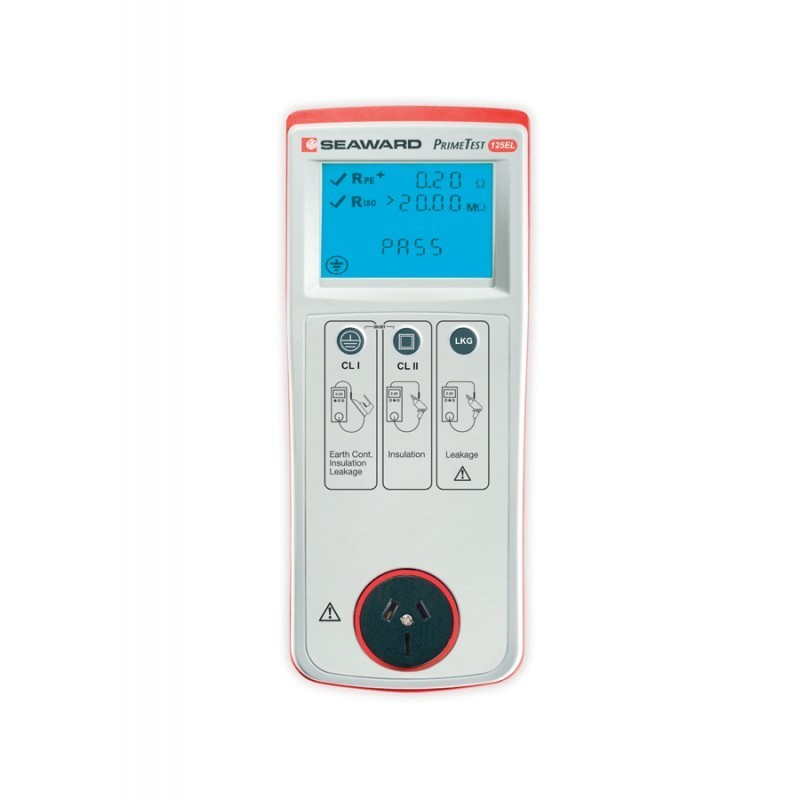
PAT testing, or Portable Appliance Testing, is the process of inspecting and testing electrical appliances to make sure they’re safe to use. It typically involves two stages: a visual inspection of the appliance, cord, and plug for any obvious damage, followed by a series of electrical tests using specialised electrical testing equipment that checks things like insulation resistance, earth continuity, and leakage current.
If the appliance passes, it gets tagged with a label showing the test date and when it’s due for retesting.
In New Zealand, PAT testing is also commonly referred to as “test and tag.” The goal is the same regardless of what you call it: identify faults before they cause electric shocks, fires, or equipment failures. It’s worth noting that PAT testing gives you a snapshot of an appliance’s safety at the time of testing, not a guarantee of future safety. That’s precisely why regular testing intervals exist.
Common types of equipment covered by PAT testing include:
Power tools and hand tools
Extension leads and power boards
Portable appliances like kettles, microwaves, and fans
Residual current devices (RCDs)
Cord sets and cord extension sets
Commercial cleaning equipment
IT and office equipment
PAT Testing Requirements in New Zealand
Understanding your legal obligations is the first step to staying compliant. Here’s a clear breakdown of the PAT testing requirements in NZ that employers must know.
1. The Legal Framework
PAT testing in New Zealand sits within a broader legal framework rather than being a standalone law. The primary legislation is the Health and Safety at Work Act 2015 (HSWA), which places a legal duty on every Person Conducting a Business or Undertaking (PCBU) to eliminate or minimise risks in the workplace. This includes electrical hazards from faulty or deteriorated appliances.
Supporting this is the Electricity (Safety) Regulations 2010, which requires that all electrical appliances used in workplaces are electrically safe. Together, these laws make it clear that employers are responsible for the condition of electrical equipment in their workplace. PAT testing itself is not explicitly mandated as the only way to prove compliance, but it is widely recognised by WorkSafe New Zealand as a best-practice method for demonstrating that you’re effectively managing electrical risks.
2. The AS/NZS 3760:2022 Standard
The most important technical reference for PAT testing in New Zealand is AS/NZS 3760:2022, the in-service safety inspection and testing standard for electrical equipment. Although it’s a standard rather than a law, following it is one of the clearest ways a PCBU can demonstrate compliance with the HSWA and the Electricity (Safety) Regulations.
The standard covers everything from how testing should be carried out and what equipment to use, to testing frequencies by environment and what information must appear on a test tag. The 2022 edition replaced the older 2010 version and introduced some updated testing intervals and clarifications on which equipment is and isn’t covered. If you haven’t checked which version your business is following, now is a good time to update.
3. Who Can Perform PAT Testing
Unlike some countries, New Zealand does not require a licensed electrician to carry out PAT testing. The standard requires that testing be done by a “competent person,” which means someone with the practical and theoretical knowledge to carry out the inspections correctly and interpret the results safely.
A competent person can be a trained employee, a qualified electrician, or an external PAT testing provider. The key is that whoever does the testing genuinely understands the process, knows how to use the equipment, and can recognise a fault when they see one. Many businesses choose to train a staff member in-house, which can save money over time and gives them the flexibility to test on their own schedule.
Others prefer to outsource to a professional service. Either approach is acceptable, as long as a registered electrical worker repairs any faults found.
4. How Often Equipment Needs to Be Tested
Testing frequency under AS/NZS 3760:2022 depends on the environment the equipment is used in, not just the type of appliance. The standard’s Table 2.4 sets out the recommended minimum intervals, and these should be treated as exactly that: a minimum.
Here’s a practical summary of the most common intervals:
Every 3 months: Construction, building, demolition, and mining sites (governed also by AS/NZS 3012), as well as hired and leased equipment
Every 6 months: Factories, warehouses, and commercial cleaning equipment
Every 12 months: Equipment in hostile environments or subject to regular flexing and abuse, including most portable office tools
Every 2 years: Appliances in residential-type settings, such as hotels or boarding houses
Every 5 years: Fixed or stationary equipment not in a hostile environment
Businesses are also encouraged to carry out their own risk assessments. If your working environment or equipment usage warrants more frequent testing, you’re absolutely allowed (and advised) to test more often. Testing less frequently than the standard recommends, however, is not acceptable.
5. Record Keeping
Keeping accurate records of your PAT testing is a requirement in New Zealand, not just good housekeeping. After each round of testing, you should maintain a register that includes the details of each appliance tested, the test date, the result (pass or fail), and when the next test is due.
The AS/NZS 3760:2022 standard recommends retaining these records for a minimum of seven years. In the event of a workplace incident or a WorkSafe audit, a clear testing history is your evidence that you’ve been managing electrical risks responsibly. For businesses with a large number of appliances, a PAT tester with built-in data logging or software integration can make record-keeping significantly easier and more reliable.
6. What Happens When Equipment Fails
If an appliance fails a PAT test, it must be taken out of service immediately. It cannot continue to be used until it has been repaired and retested. A failed appliance should be clearly marked or physically removed from the workplace to prevent it from being accidentally plugged back in.
Only a registered electrical worker can carry out the repairs required to make a failed appliance safe again. Once repaired, it needs to go through the full testing process before it can be retagged and returned to service. This is an important distinction: the competent person can test, but repairs must be done by someone who is legally authorised to carry out electrical work. Getting this wrong can create liability issues for the employer.
Tips for PAT Testing Compliance
Staying on top of your obligations doesn’t have to be complicated. Here are some practical steps to help keep your workplace compliant year-round:
Create an appliance register. Keep a complete list of all electrical equipment in your workplace. Include the item description, its location, and its test history. This makes scheduling and record keeping much simpler.
Know your testing intervals. Different environments require different frequencies. Make sure the people responsible for testing understand Table 2.4 of AS/NZS 3760:2022 and apply it correctly to each piece of equipment.
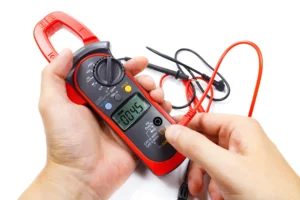
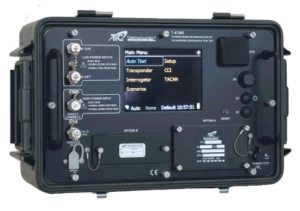
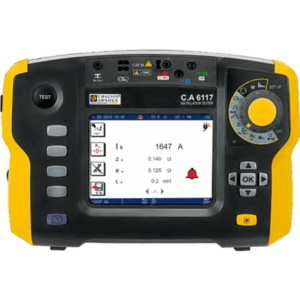
Use the right tools. A proper PAT tester is essential. For more specialised checks, tools like a clamp meter or a battery tester can also be useful additions to your electrical testing kit, depending on the scope of your testing program.
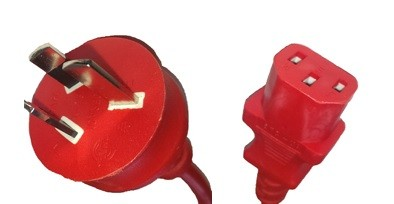
Invest in quality PAT accessories. The right PAT accessories, including test leads, adaptors, and carrying cases, help ensure consistent and accurate results. Using damaged or incorrect leads can compromise your test results and your compliance.
Don’t skip the visual inspection. The electrical test is only part of the process. A good visual inspection of the cord, plug, and appliance body can catch issues that a test alone might miss, like frayed cables or cracked casings.
Train your competent person properly. If you’re conducting testing in-house, make sure whoever is doing it has received appropriate training. An untrained tester doing incorrect tests puts your business at risk just as much as skipping testing altogether.
Factor in groundtest requirements. For businesses working with equipment that requires earth continuity testing, understanding groundtest procedures is important for achieving accurate and compliant results.
Review your power meters and monitoring equipment regularly.Power meters and similar monitoring devices also need to be maintained and calibrated to ensure they’re giving reliable readings. Don’t let these fall off your maintenance schedule.
Conclusion
PAT testing is one of the most straightforward ways to demonstrate that your business is taking electrical safety seriously. The rules in New Zealand are clear: under the Health and Safety at Work Act 2015, you’re responsible for managing the electrical risks in your workplace, and regular testing and tagging is the most practical way to do that. Know your intervals, keep your records, use qualified people, and act fast when something fails.
At Electrotest, we’re here to help New Zealand businesses stay safe and compliant with the right tools for the job. Whether you’re looking for electrical supplies in Auckland or advice on the best testing equipment for your environment, our team has you covered. Get in touch with us today to find out how we can support your PAT testing program.
Frequently Asked Questions
1. Is PAT testing a legal requirement in New Zealand?
PAT testing itself is not explicitly required by law, but New Zealand employers are legally obligated under the Health and Safety at Work Act 2015 to ensure all electrical equipment in the workplace is safe. PAT testing (test and tag) is the most widely accepted method for demonstrating compliance with this obligation, and WorkSafe New Zealand recognises it as best practice.
2. How often does electrical equipment need to be tested in a standard office environment?
For most portable office equipment in a standard (non-hostile) environment, AS/NZS 3760:2022 recommends testing every 12 months. Static equipment that is not moved or subject to flexing can be tested as infrequently as every 5 years, though businesses should always conduct their own risk assessment to confirm appropriate intervals.
3. Can an employee carry out PAT testing, or does it need to be a licensed electrician?
Any “competent person” can carry out PAT testing in New Zealand. This does not have to be a licensed electrician. A competent person is someone with the practical and theoretical knowledge to perform the inspections and interpret the results correctly, which can be achieved through training. However, any repairs following a failed test must be carried out by a registered electrical worker.
4. What information needs to be on a test and tag label?
A compliant tag must include the name or identifier of the person or company who carried out the test, the date the test was performed, the result (pass or fail), and the date the appliance is due for its next retest. This information must be clearly readable and securely attached to the appliance.
5. What should I do if an appliance fails a PAT test?
Remove it from service immediately and clearly mark it so it cannot be accidentally used. Do not allow it back into the workplace until it has been repaired by a registered electrical worker and has passed a full retest. Keeping a record of failed items, the nature of the fault, and the repair action taken is also part of your compliance obligations under AS/NZS 3760:2022.
Ask any electrician what they’d grab first to check current on a live circuit, and nine times out of ten they will point to the clamp meter hanging off their belt. The versatility of this device is what makes it popular. With a clamp meter, you can measure amps without cutting into a wire, and without shutting anything down; that’s the whole appeal, and it’s why the gadget has become standard kit across electrical work, HVAC, automotive diagnostics, and industrial
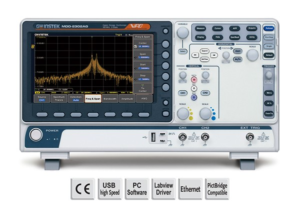
A voltage reading tells you a number. An oscilloscope tells you a story. Where a multimeter gives you one static figure, a scope plots voltage against time, continuously, so you actually see how a signal behaves. That difference matters more than most beginners realise. A motor might show a normal average current on a multimeter and still be throwing a nasty voltage spike every few milliseconds. A multimeter won’t catch that. A scope will show it plainly, right there on
Understanding electrical rules helps keep people safe in their homes and workplaces. In Auckland, these rules are part of New Zealand law and make sure that electrical work is done properly. Electricity can be dangerous if it is not handled correctly. That is why there are codes that explain how wiring, switches, sockets and electrical gear should be installed and tested. If you are buying electrical supplies in Auckland or planning work in your home, you need to know how
Electrical safety is more important than ever, especially in homes, workplaces, and industrial settings. Faulty insulation in wiring can lead to shocks, short circuits, or even fires. That is why insulation resistance testing is essential. It helps identify weak or damaged insulation before any serious accidents occur. In New Zealand, electricians and building managers rely on proper testing to make sure installations are safe and compliant. Using the right procedures, tools, and quality electrical supplies in Auckland ensures circuits are correctly
Share:
Stay in the loop for our new SPARKvue for Teachers Training Course launch!
Stay in the loop for our new Introduction to High Voltage Course launch!
Stay in the loop for our new UPS Installation & Commissioning Course launch!