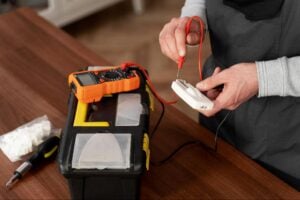
Whether you’re a licensed electrician, a field technician, or a serious DIYer, having the right tools in your kit can make or break a job. And when it comes to measuring electrical current safely and efficiently, few tools are as essential as a clamp meter. The problem? There are so many models out there (different specs, different price points, different features) that picking the right one can feel overwhelming.
In this guide, we’ll walk you through everything you need to know about clamp meters: what they are, why they’re useful, and most importantly, how to choose the one that actually fits your needs.
What Is a Clamp Meter?
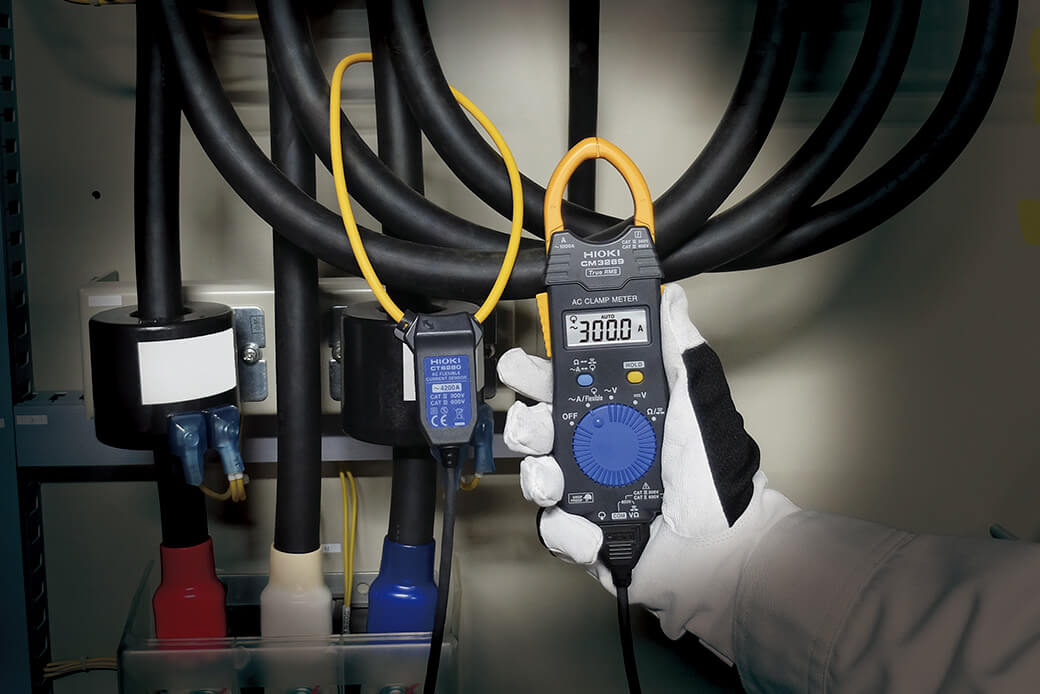
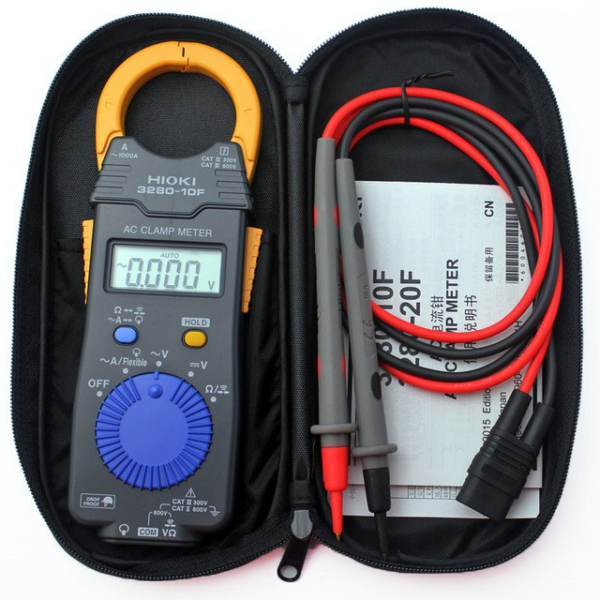
A clamp meter (sometimes called a tong tester) is an electrical testing instrument designed to measure current flowing through a conductor without requiring you to disconnect or physically touch a live wire. It works by clamping its hinged jaw around a single conductor, sensing the magnetic field generated by the current passing through it, and converting that field into a readable number on the display.
The jaws are typically made of ferrite iron, which helps focus and detect that magnetic field accurately.
Common uses for a clamp meter include:
Measuring current draw in residential and commercial circuits
Troubleshooting electrical panels and circuit breakers
Detecting load imbalances
Testing solar panels and battery systems (DC models)
Checking motor performance and inrush current
Diagnosing intermittent electrical faults
Benefits of Using a Clamp Meter
Simply put, a clamp meter makes electrical testing safer, faster, and more convenient. Here’s why electricians and technicians swear by them:
Non-contact current measurement: You don’t need to disconnect anything or touch a live wire to get a reading. The clamp does the work by sensing the magnetic field around the conductor, making it significantly safer than traditional methods.
No circuit interruption: Unlike using a multimeter in series to measure current, a clamp meter lets you measure current while the circuit stays live and fully operational. This is huge on production floors, commercial buildings, or anywhere downtime costs money.
Wide measurement range: Most clamp meters can handle anywhere from a few amps to several hundred or even thousands of amps, making them versatile enough for both residential wiring and heavy industrial applications.
Multi-function capability: Modern clamp meters double as multimeters, measuring voltage, resistance, and continuity in addition to current, which reduces how many tools you need to carry on the job.
Speed and efficiency: Getting a current reading takes seconds. You clamp, you read, you move on. This makes clamp meters ideal for routine inspections or diagnosing multiple circuits quickly.
Enhanced safety: A well-rated clamp meter is designed with protections against arc flashes, high-voltage transients, and electrical faults, offering a much safer testing experience compared to direct-contact methods.
How to Choose the Right Clamp Meter
With so many options out there, the key is matching the tool to your actual work environment and the type of measurements you’ll be making most often. Here’s what to consider:
1. AC Only vs. AC/DC Capability
The first thing to figure out is what type of current you’ll be working with. AC-only clamp meters are the most common and work well for standard residential and commercial electrical systems. Your typical lighting circuits, outlets, and panel boards all run on AC, so an AC-only meter will cover most everyday jobs just fine.
However, if your work involves batteries, solar panels, electric vehicles, or variable frequency drives (VFDs), you’ll need an AC/DC clamp meter. DC measurements require Hall effect sensors inside the jaws, which are a step up in technology and usually reflected in the price. If you’re not sure which you’ll need, go with AC/DC. The added versatility is almost always worth it.
2. True RMS vs. Average Responding
This one matters more than most people realise. A basic (average responding) clamp meter is calibrated to measure pure sine waves: the clean, predictable AC waveform found in simple circuits. But modern electrical loads like LED lighting, variable speed motors, computers, and inverters create distorted, non-sinusoidal waveforms that a basic meter can’t read accurately.
A True RMS (Root Mean Square) clamp meter measures these distorted waveforms correctly. Without True RMS, your readings on a circuit with harmonics could be off by as much as 50%, which isn’t just inaccurate, it’s potentially dangerous. If you’re working on anything beyond simple resistive loads, True RMS is a must.
3. Current Range and Resolution
Think about the highest current you’re likely to measure on the job. Most general-purpose clamp meters handle up to 400A or 600A, which is sufficient for most residential and light commercial work. If you’re working on industrial equipment or heavy machinery, you may need a meter rated for 1000A or more.
Resolution matters too. It’s the smallest change in current the meter can detect. A meter with 0.1A resolution will show differences that a meter with 1A resolution would completely miss. This is especially critical for:
Leakage current testing (where you’re looking for tiny discrepancies)
Low-current applications like control circuits
Energy auditing and efficiency analysis
4. Safety Rating (CAT Rating)
This is non-negotiable. Every clamp meter carries a CAT (Category) rating from CAT I through CAT IV, defined by the IEC 61010 standard. These ratings indicate how much voltage transient energy the meter can safely withstand.
CAT II: Single-phase receptacle outlets in homes and offices
CAT III: Three-phase systems, distribution panels, motors
CAT IV: Utility service entrance, outdoor wiring, metering
Using a meter that’s underrated for your environment is genuinely dangerous. It can cause the meter to arc flash, explode, or deliver a lethal shock. Match your CAT rating to where you’re actually working, and always make sure the rating has been certified by an independent testing organisation like UL, CSA, or TÜV, not just self-declared by the manufacturer.
5. Jaw Size
Jaw size matters a lot in real-world conditions. A small jaw might be perfectly fine for measuring residential wiring, but if you’re trying to clamp around large industrial cables or bus bars, you’ll need a wider jaw opening.
Beyond conductor size, think about access. Tight electrical panels, cramped junction boxes, and equipment with limited clearance all benefit from a slimmer, more compact jaw design. Some flexible clamp meters even use a Rogowski coil instead of rigid jaws, which is great for measuring large conductors or unusual shapes that a conventional clamp simply can’t wrap around.
6. IP Rating (Environmental Protection)
If you’re working outdoors, in dusty environments, on construction sites, or anywhere there’s a risk of moisture, your clamp meter needs an appropriate IP (Ingress Protection) rating. The IP code has two numbers: the first indicates protection against solid particles like dust, and the second indicates protection against water.
For example, an IP54-rated meter is protected against dust and splashing water, while an IP67-rated meter can handle being submerged in up to 1 meter of water. A basic IP40 is fine for clean, dry indoor environments. Choose your IP rating based on the harshness of your actual working conditions. Don’t just grab whatever’s cheapest if you’re regularly working outdoors or in industrial settings.
7. Extra Features Worth Considering
Once you’ve covered the basics, it’s worth looking at the added features that can make your day-to-day work a lot smoother. Some of the most useful ones include:
Inrush current measurement: Captures the initial surge of current when a motor or compressor starts. This helps you distinguish between normal startup behaviour and actual faults.
Min/Max recording: Logs the minimum and maximum readings over time, useful for catching intermittent faults that don’t show up in a single snapshot.
Data logging: Some higher-end meters store readings for later review, great for energy audits or long-term monitoring.
Auto-ranging: The meter automatically selects the correct measurement range, saving time and reducing the risk of overloading the meter.
Backlit display: A must if you’re working in dimly lit electrical panels or tight spaces.
Low-pass filter: Useful when measuring circuits with VFDs, filtering out electrical noise for a cleaner, more accurate reading.
8. Budget and Brand Reliability
Clamp meters range from around $30 to several hundred dollars. It can be tempting to go cheap, but with electrical testing equipment, quality and safety ratings genuinely matter. A bargain meter with questionable certifications could cost you far more than the money you saved.
That said, you don’t always need the most expensive model either. A mid-range meter from a reputable brand like Fluke, Klein Tools, Uni-T, Extech, or Milwaukee will serve most professionals well.
Look for a solid warranty, consistent user reviews from professionals (not just hobbyists), and verified safety certifications from independent labs. Accessories like test leads and probes are also worth factoring into the total cost.
Conclusion
Choosing the right clamp meter doesn’t have to be complicated. Start by identifying what you’re actually going to use it for: what kind of current, what environment, and what level of accuracy you need.
Take the time to choose well, and it’ll be one of the best investments you make for your electrical work.
Understanding electrical rules helps keep people safe in their homes and workplaces. In Auckland, these rules are part of New Zealand law and make sure that electrical work is done properly. Electricity can be dangerous if it is not handled correctly. That is why there are codes that explain how wiring, switches, sockets and electrical gear should be installed and tested. If you are buying electrical supplies in Auckland or planning work in your home, you need to know how
Electrical safety is more important than ever, especially in homes, workplaces, and industrial settings. Faulty insulation in wiring can lead to shocks, short circuits, or even fires. That is why insulation resistance testing is essential. It helps identify weak or damaged insulation before any serious accidents occur. In New Zealand, electricians and building managers rely on proper testing to make sure installations are safe and compliant. Using the right procedures, tools, and quality electrical supplies in Auckland ensures circuits are correctly
Running a fleet in New Zealand is not easy. You deal with long drives, rough roads, cold mornings and weather that changes every five minutes. Because of that, the batteries in your vehicles work harder than you think. And when one battery fails, the whole fleet can feel it. Delays and tow trucks, and annoyed customers can stack up fast. This is why having the right battery tester matters. It saves time and stress. It also helps you understand what
Electrical work can be dangerous if it is not done safely. Without proper safety compliance, there could be shocks, fires, equipment damage, or even serious injury. Faulty wiring or damaged appliances can start accidents that are costly and dangerous. In this blog, we will explain electrical safety compliance in New Zealand so you can handle advanced electrical equipment. We will cover the rules, standards, requirements, and best practices that help keep people and property safe. By the end, you will
Share:
Stay in the loop for our new SPARKvue for Teachers Training Course launch!
Stay in the loop for our new Introduction to High Voltage Course launch!
Stay in the loop for our new UPS Installation & Commissioning Course launch!