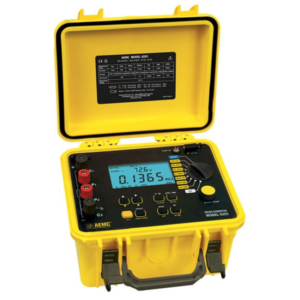
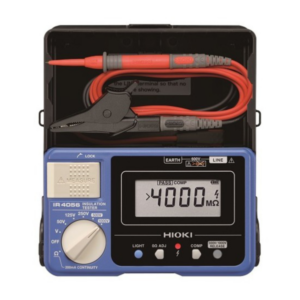
Electrical safety is more important than ever, especially in homes, workplaces, and industrial settings. Faulty insulation in wiring can lead to shocks, short circuits, or even fires. That is why insulation resistance testing is essential. It helps identify weak or damaged insulation before any serious accidents occur.
In New Zealand, electricians and building managers rely on proper testing to make sure installations are safe and compliant. Using the right procedures, tools, and quality electrical supplies in Auckland ensures circuits are correctly checked. Regular testing protects both people and property while keeping electrical systems running efficiently.
What Is Insulation Resistance Testing?
Insulation resistance testing is a check to see if the insulation around wires and electrical circuits still works correctly. The insulation is what keeps live conductors separated from each other and from earth (ground). When insulation is good, electricity goes where it is supposed to. If insulation fails, live parts might touch each other or earth. That can lead to electric shock, short‑circuits, or fire.
The testing uses a special instrument to apply a direct current (DC) voltage across conductors and measure how much resistance the insulation gives. If the resistance reading is high enough, the insulation is considered safe. If it is too low, the insulation may be damaged or degraded. This test matters especially after new wiring, repairs, extensions, or before switching power on.
Benefits Of Insulation Resistance Testing
Testing insulation gives several important safety and quality benefits:
Improves Safety: It helps find bad insulation before power is turned on. This reduces the risk of shock or fire.
Protects Equipment: Good insulation lowers the chance of short circuits or damage to appliances or wiring.
Confirms Work Was Done Right: After installing or repairing wiring, the test shows that everything was connected correctly and safely.
Helps Maintenance: Over time, insulation can degrade. Testing lets you check whether insulation is still good during routine check‑ups.
Supports Compliance: Many installation and inspection standards in NZ require insulation testing. It helps meet legal and regulatory requirements.
Gives Peace Of Mind: Knowing insulation is solid makes electricians, homeowners or building managers confident the installation is safe.
Insulation Resistance Testing Procedure
Here is how to carry out insulation resistance testing properly in New Zealand, step by step.
Preparation And Safety Isolation
First, make sure the circuit or installation you plan to test is disconnected from the mains supply and completely isolated. This means no power is flowing. You also want to disconnect or bypass any equipment (appliances, electronics) connected to the circuit that might be damaged by test voltage. This ensures safety and avoids false results.
Then carry out a basic visual inspection. Check wiring, terminals, cable sheaths, and make sure there are no obvious faults like exposed conductors, damaged insulation, or loose ends. A visual check can catch simple mistakes before you apply any test voltage.
Setting Up The Insulation Resistance Tester
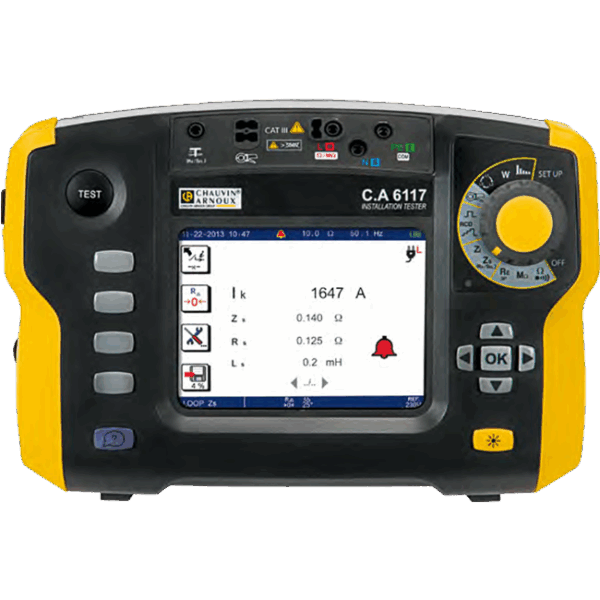
Use a proper insulation resistance tester (also called a megohmmeter). Use the correct test voltage depending on the circuit type. For standard low‑voltage circuits (up to about 250 V between phase and earth), a 500 V DC test is normal. For circuits above that, some installations may require 1000 V DC. This is the requirement under NZECP 11:1993.
Disconnect any surge‑protective devices, RCDs or sensitive electronic parts before testing. These can be damaged by high test voltages. If disconnected, make sure they are reconnected properly after testing.
Performing The Tests
You need to test between different combinations of conductors: phase to earth, neutral to earth, phase to neutral (if required), and between phase conductors if more than one phase is present.
Record the insulation resistance reading for each test. For a newly installed wiring installation or consumer mains, the resistance should not be less than 1 MΩ (after a 500 V DC test).If the result is too low, do not proceed. Find and fix the fault, then repeat the test.
If there are heating appliances or other equipment connected that can affect readings, these may need to be disconnected (or tested separately) to avoid incorrect results.
Insulation Resistance Testing Standards In NZ
In New Zealand, most low‑voltage electrical installations must follow the rules in AS/NZS 3000:2007, often called the Wiring Rules. These rules list insulation resistance testing as one of the mandatory tests for new or modified installations.
Also, NZECP 11:1993 sets out how testing and inspection must be done for certification of installations. It defines which tests are needed, what voltages to use for insulation testing, and acceptable minimum resistance values.Using proper instruments, such as an insulation resistance tester and a multimeter in NZ, ensures accurate results.
If wiring is close to conductive thermal insulation material or other special environments, there may be extra requirements under special codes (for example, where conductive insulation is used). Certain tests must be done at 500 V DC and yield at least 1 MΩ.
Using proper test instruments and following these standards helps ensure installations are safe and compliant.
Best Practices
Here are some good practices to follow when doing insulation resistance testing and general wiring work:
Always Turn Off Power First: Make sure the supply is isolated, and the circuit is de‑energised before starting any test.
Do A Visual Inspection Before Testing: Check wiring, terminals, insulation, and cable sheaths before applying test voltage.
Disconnect Sensitive Equipment: Remove surge‑protective devices, RCDs or electronic equipment before insulation testing to avoid damage.
Use Proper Test Equipment: Use a quality insulation resistance tester and other electrical testing equipment. Make sure leads and probes are in good condition.
Record All Readings: Write down insulation readings and other test results. Keep records for compliance and future reference.
Retest After Fixes: If a test fails, fix the issue and then repeat the test to confirm insulation is now safe.
Follow NZ Standards Exactly: Stick to the rules in AS/NZS 3000 and NZECP 11 when testing and documenting work.
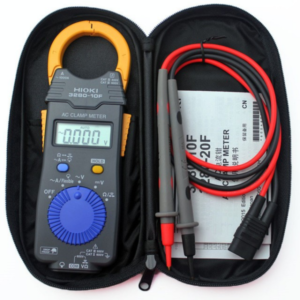
Use Additional Tools If Needed: For complex jobs, also use a multimeter in NZ, clamp meter or cable locator. For heat or load checks, you might use a thermal imaging camera or tools for environmental monitoring.
Conclusion
Insulation resistance testing is a simple but very important check that helps keep wiring safe. When done properly, it protects people, buildings and electrical equipment.
If you want reliable testing and compliance in your installation, trust professionals like us at Electrotest. We have the right tools and follow the standards for safe wiring and testing. Get in touch with our team today!
A voltage reading tells you a number. An oscilloscope tells you a story. Where a multimeter gives you one static figure, a scope plots voltage against time, continuously, so you actually see how a signal behaves. That difference matters more than most beginners realise. A motor might show a normal average current on a multimeter and still be throwing a nasty voltage spike every few milliseconds. A multimeter won’t catch that. A scope will show it plainly, right there on
Understanding electrical rules helps keep people safe in their homes and workplaces. In Auckland, these rules are part of New Zealand law and make sure that electrical work is done properly. Electricity can be dangerous if it is not handled correctly. That is why there are codes that explain how wiring, switches, sockets and electrical gear should be installed and tested. If you are buying electrical supplies in Auckland or planning work in your home, you need to know how
Electrical work can be dangerous if it is not done safely. Without proper safety compliance, there could be shocks, fires, equipment damage, or even serious injury. Faulty wiring or damaged appliances can start accidents that are costly and dangerous. In this blog, we will explain electrical safety compliance in New Zealand so you can handle advanced electrical equipment. We will cover the rules, standards, requirements, and best practices that help keep people and property safe. By the end, you will
Electrical systems are all around us. They power our homes, workplaces, machines, and tools. When these systems fail, work stops. The lights go out. Equipment breaks. That can cost time and money. Regular maintenance helps prevent these problems before they happen. It keeps systems running smoothly and can extend the life of equipment. In this guide, we will explain preventive electrical maintenance so you’ll know what to do to make electrical systems last longer and run better. What Is Electrical
Share:
Frequently Asked Questions
For a standard low‑voltage installation tested at 500 V DC, insulation resistance should not be less than 1 MΩ according to NZ standards.
Yes. A proper insulation resistance tester handles insulation checks, and many multimeters or similar instruments can do continuity checks. But make sure the tool is suitable and in good condition.
Yes. Sensitive devices, surge protection and electronics should be disconnected or isolated before insulation resistance testing. That avoids damage and ensures accurate readings.
If resistance is too low, you must find and fix the fault (bad insulation, damaged cable, wrong connections). Then you must repeat the test until the readings meet the required minimum.
At least whenever there is new wiring, repairs or extensions. It is also wise to do it again during periodic inspections or after events like water damage, to ensure insulation is still good.
Along with insulation resistance, you should also do an earth continuity test, polarity check, correct circuit connection test, earth‑fault loop impedance test, and functional checks of safety devices (RCDs), as required under AS/NZS 3000.
Stay in the loop for our new SPARKvue for Teachers Training Course launch!
Stay in the loop for our new Introduction to High Voltage Course launch!
Stay in the loop for our new UPS Installation & Commissioning Course launch!