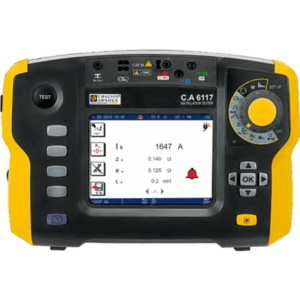
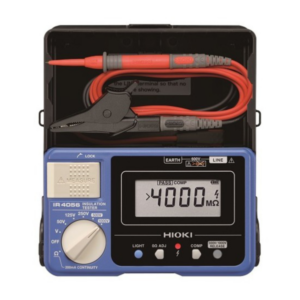
Electrical work can be dangerous if it is not done safely. Without proper safety compliance, there could be shocks, fires, equipment damage, or even serious injury. Faulty wiring or damaged appliances can start accidents that are costly and dangerous.
In this blog, we will explain electrical safety compliance in New Zealand so you can handle advanced electrical equipment. We will cover the rules, standards, requirements, and best practices that help keep people and property safe. By the end, you will know what needs to be done, why it matters, and how to follow safety standards properly.
What Is Electrical Safety Compliance in NZ?
Electrical safety compliance in New Zealand means following laws and rules that make sure electrical work and products are safe to use. Electricians, manufacturers, and companies that sell or install electrical items must follow these rules to prevent accidents or damage. These safety rules come from the Electricity (Safety) Regulations 2010 and standards like AS/NZS 3000.
Compliance covers how electrical systems are installed, tested, inspected, and documented so they are safe and reliable. Following these rules reduces the risk of electrical faults, protects people, and ensures that installations meet legal requirements.
Why Safety Compliance Is Important
Electrical safety rules are important because electricity can harm people or start fires if not handled correctly. Following the rules keeps everyone safe.
Helps prevent electric shocks: Safety rules reduce the risk of people getting dangerous electric shocks.
Reduces fire risks: Proper installation and testing help prevent electrical fires.
Protects property: Safe electrical work prevents damage to homes and buildings.
Meets legal requirements: Following the laws ensures compliance with government regulations.
Keeps records for insurance: Certificates and compliance records can help with insurance claims.
Gives peace of mind: Knowing electrical work is done correctly makes life safer.
Key Electrical Standards
These are the main standards that guide electrical safety in New Zealand.
AS/NZS 3000 Wiring Rules
AS/NZS 3000, also called the wiring rules, is the main standard for electrical installations. It explains how wiring must be done so that buildings are safe and electricity works correctly. Electricians follow this standard when installing or repairing electrical systems.
The wiring rules also set requirements for earthing, circuit protection, and safety devices. Following these rules helps prevent shocks and fires, and it is legally required for all new installations.
AS/NZS 3760 In-Service Safety Testing
AS/NZS 3760 sets the rules for testing electrical appliances to ensure they are safe to use. This standard is used when doing a PAT test at workplaces, schools, or public buildings. It applies to cords, plugs, and equipment that are used regularly.
Testing and tagging equipment according to this standard helps find faults early and keeps people safe. It also provides a record that the equipment has been inspected and is compliant.
AS/NZS 3820 Essential Safety Requirements
AS/NZS 3820 is used when there is no specific product standard. It ensures that electrical devices meet essential safety requirements before they can be sold or used.
This standard is applied by manufacturers and importers to check for hazards like electric shocks, fire risks, or mechanical issues. It ensures that even uncommon or new products are safe.
Electrical Safety Compliance Requirements
Here are the main requirements for electrical safety compliance in New Zealand.
Manufacturers and Importers
Manufacturers and importers must ensure that all electrical products meet safety standards before they are sold. This includes checking design, insulation, and labelling.
Importers must also provide instructions and warnings in English. They are responsible for any product defects that could cause injury.
Electricians and Installers
Electricians must follow wiring rules and installation standards. They need to test work using proper electrical testing equipment to ensure everything is safe.
All installations require inspection and verification. They must document compliance and issue a certificate for completed work.
Owners and Users
Owners must keep electrical equipment in good condition. They should not use damaged items and must test appliances regularly using a voltage tester or similar tool.
Regular checks help prevent accidents and prolong the life of equipment. Keeping records of inspections can also help with insurance.
Testing and Tagging
Electrical equipment must be tested for safety. Using a clamp meter, insulation resistance tester, or battery tester can help check equipment condition.
Tested equipment should be tagged to show it has passed inspection. Regular testing reduces the risk of failure and ensures compliance.
Monitoring Power Use
Monitoring power with a power meter can help detect overloads and unsafe conditions. Knowing how much electricity devices use can prevent accidents.
This is especially important in workplaces or buildings with many electrical appliances.
Best Practices
Here are six best practices for electrical safety compliance in New Zealand.
Use Licensed Electricians: Always hire qualified electricians to do installations or repairs. This ensures work meets standards.
Keep Documentation: Save certificates, inspection reports, and test results for future reference.
Regular Testing: Use a PAT test or other testing methods to check equipment frequently.
Check Equipment Before Use: Inspect cords, plugs, and appliances for damage.
Fix Faults Immediately: Any faulty wiring or equipment should be repaired by a professional.
Buy Certified Products: Only purchase electrical items with proper certification and safety labels.
Conclusion
Electrical safety compliance in New Zealand ensures that electrical installations and products are safe to use. Following the rules protects people, property, and keeps installations legal. Testing, inspections, and good practices reduce risks and provide peace of mind.
At Electrotest, we can help you meet all your electrical safety needs. Contact us for testing, inspections, or advice on compliance. Our team ensures your electrical systems are safe and up to standard.
A voltage reading tells you a number. An oscilloscope tells you a story. Where a multimeter gives you one static figure, a scope plots voltage against time, continuously, so you actually see how a signal behaves. That difference matters more than most beginners realise. A motor might show a normal average current on a multimeter and still be throwing a nasty voltage spike every few milliseconds. A multimeter won’t catch that. A scope will show it plainly, right there on
Understanding electrical rules helps keep people safe in their homes and workplaces. In Auckland, these rules are part of New Zealand law and make sure that electrical work is done properly. Electricity can be dangerous if it is not handled correctly. That is why there are codes that explain how wiring, switches, sockets and electrical gear should be installed and tested. If you are buying electrical supplies in Auckland or planning work in your home, you need to know how
Electrical safety is more important than ever, especially in homes, workplaces, and industrial settings. Faulty insulation in wiring can lead to shocks, short circuits, or even fires. That is why insulation resistance testing is essential. It helps identify weak or damaged insulation before any serious accidents occur. In New Zealand, electricians and building managers rely on proper testing to make sure installations are safe and compliant. Using the right procedures, tools, and quality electrical supplies in Auckland ensures circuits are correctly
Electrical systems are all around us. They power our homes, workplaces, machines, and tools. When these systems fail, work stops. The lights go out. Equipment breaks. That can cost time and money. Regular maintenance helps prevent these problems before they happen. It keeps systems running smoothly and can extend the life of equipment. In this guide, we will explain preventive electrical maintenance so you’ll know what to do to make electrical systems last longer and run better. What Is Electrical
Share:
Frequently Asked Questions
It follows rules and standards to make sure electrical work and products are safe to use.
Manufacturers, importers, electricians, and owners all share responsibility for ensuring electrical safety.
Equipment should be tested regularly using tools like a voltage tester or insulation resistance tester, depending on usage.
A PAT test checks electrical appliances to make sure they are safe to use. It is common in workplaces and public buildings.
Yes, but ensure the products are certified and meet New Zealand safety standards before use.
Stay in the loop for our new SPARKvue for Teachers Training Course launch!
Stay in the loop for our new Introduction to High Voltage Course launch!
Stay in the loop for our new UPS Installation & Commissioning Course launch!